Skip to content

PTEC IPMAPY

A technology program to farm kelp sustainably and regeneratively.

A technology program with CORFO (2023–2029) that develops and validates the technologies needed to scale up industrial Macrocystis pyrifera farming.
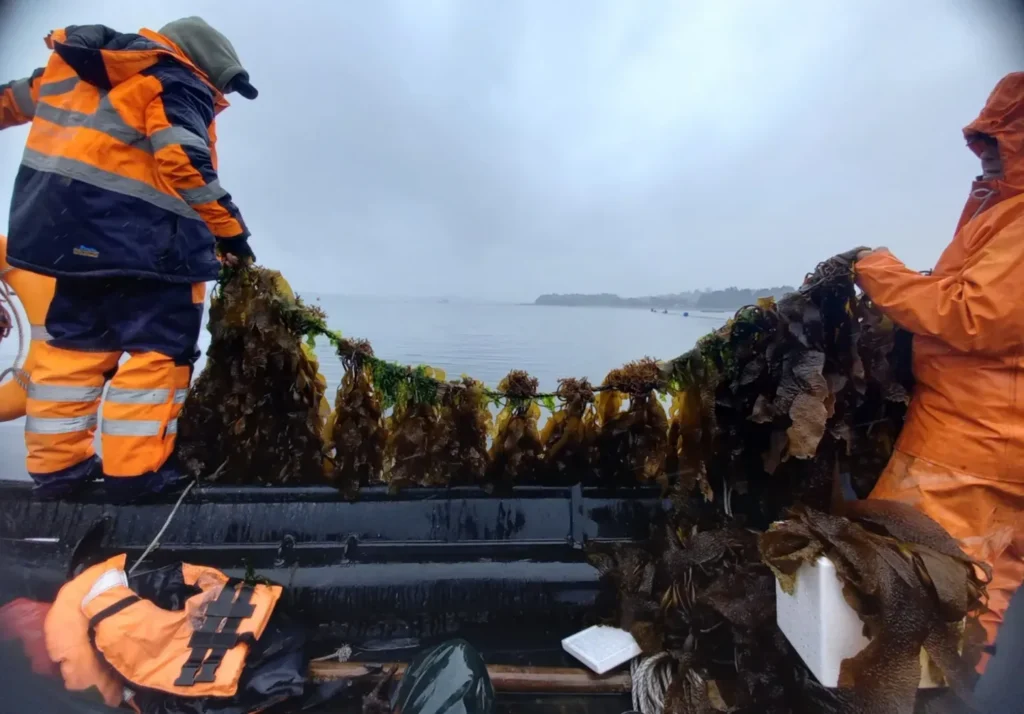
Two people in waterproof gear haul a grow line covered in kelp on board

From hatchery to biorefinery

PTEC IPMAPY is a technology program developed with CORFO that addresses the key stages of regenerative kelp (Macrocystis pyrifera) farming: hatchery, seeding, harvesting, monitoring and biorefining. We carry it out with co-implementers and partners such as Hortimare (Netherlands), Macro Oceans (USA) and Innovex (Chile).

Its purpose is to strengthen the kelp production chain, bringing together small-scale fishers, small producers, industry and academia, and to offer a technical platform that enables the development of this new industry.
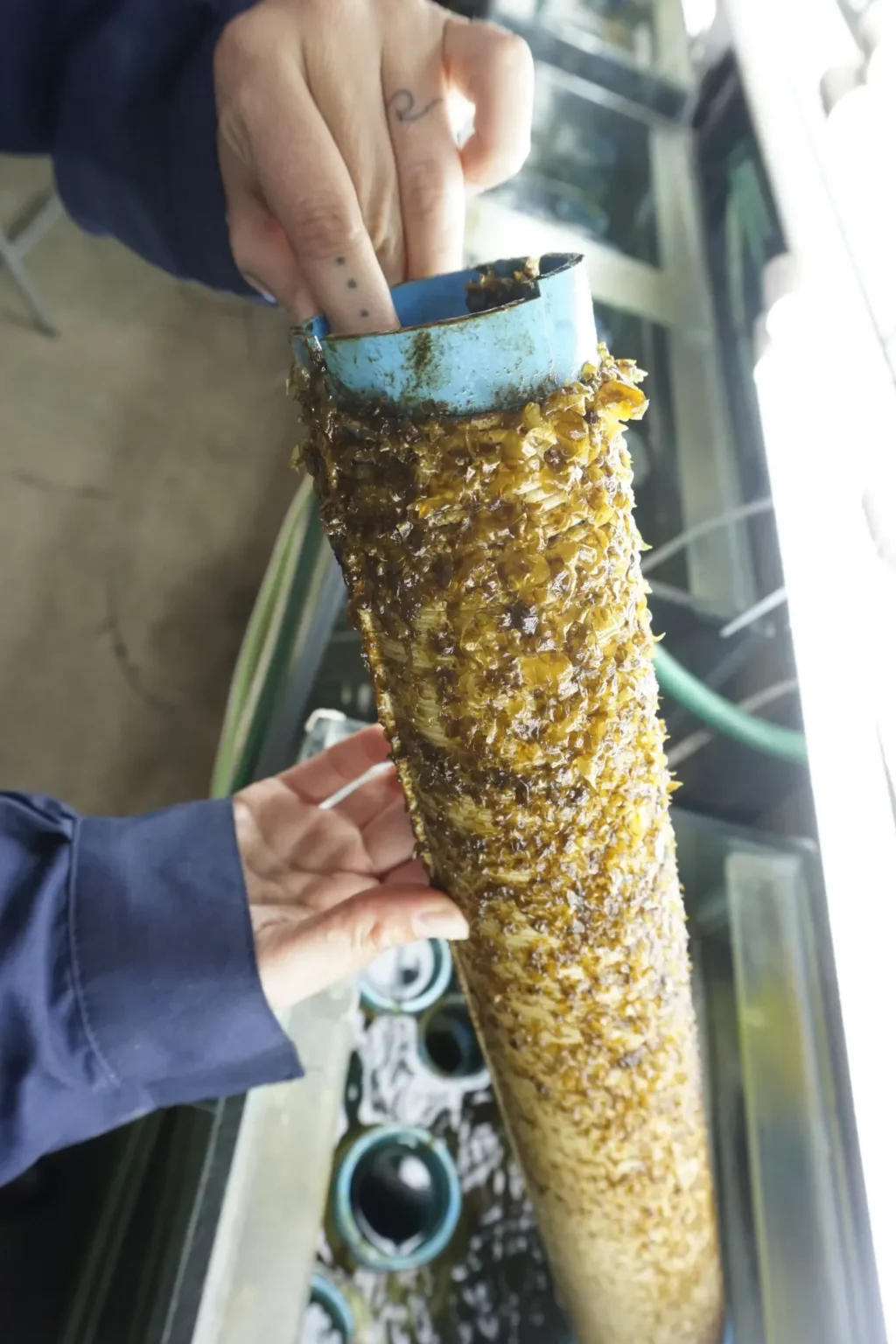
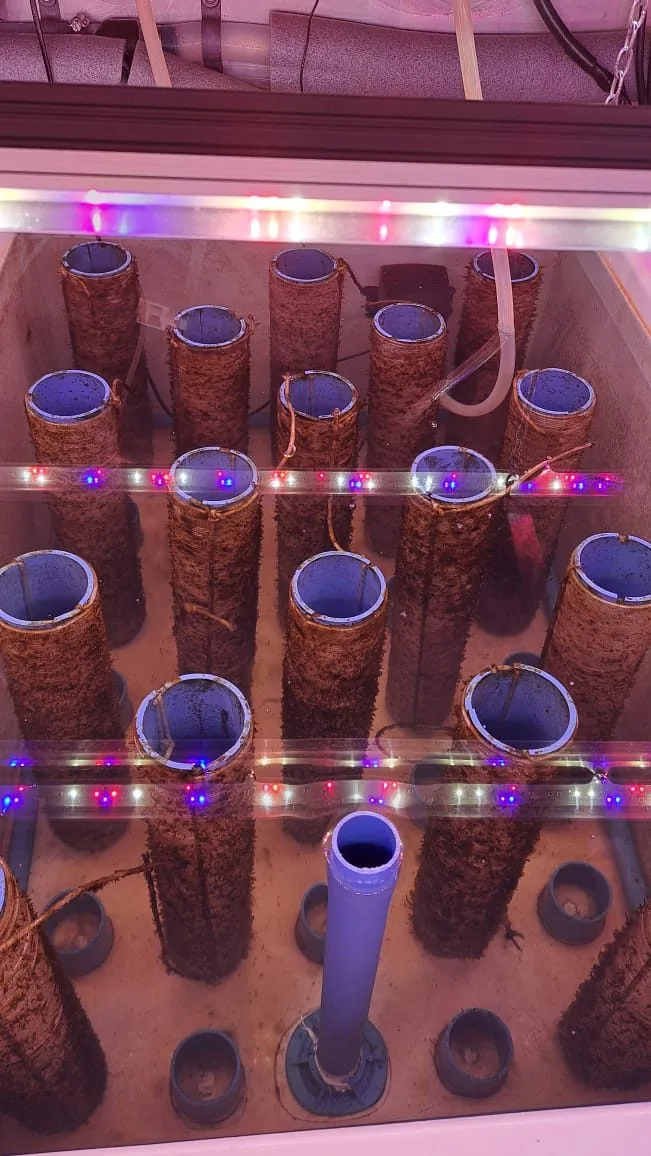
Hands holding a spool covered in kelp seedlings over a hatchery tank

A potential not yet realized

A 2022 IFOP-CORFO report identified Macrocystis pyrifera as one of the species with the greatest potential to diversify aquaculture in Chile, with possible environmental, sanitary and ecosystem benefits. However, its farming has largely remained at pilot scale and has yet to become commercially established.

There are still gaps to close:

  • Hatchery production needs to be standardized to increase yields at sea.

  • There is still no strategy for how farms should respond to climate change scenarios.

  • Large-scale farming at sea has a low level of mechanization (seeding and harvesting systems).

  • There is little development of new products and added value to increase the commercial value of farmed seaweed.

Project portfolio

Four projects, one complete chain

Each project aims to close one of the gaps holding back the scale-up of kelp farming, from seed in the hatchery to extracts in the biorefinery.

  1. First results: Spools growing under controlled light.

    P02

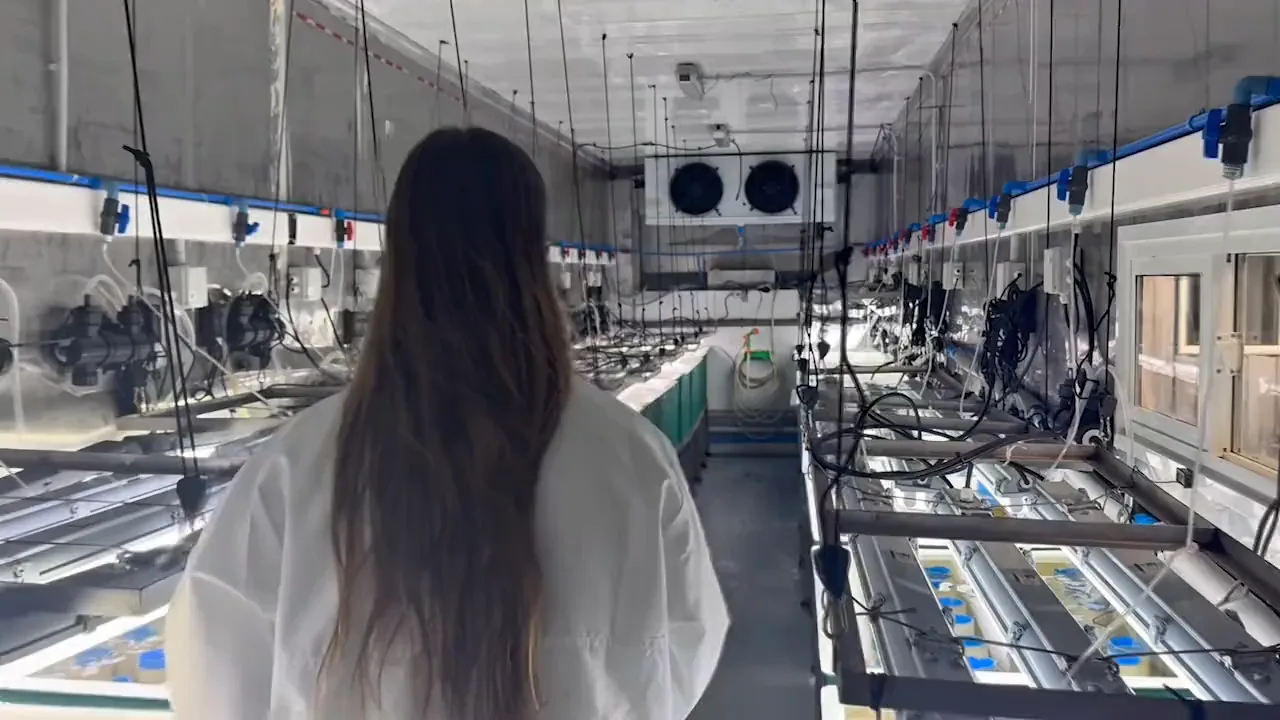
    Automated, professional-grade, modular hatchery

    A mother hatchery and grow-out modules to supply seed to the national industry, with a focus on genetic diversity to face climate change.

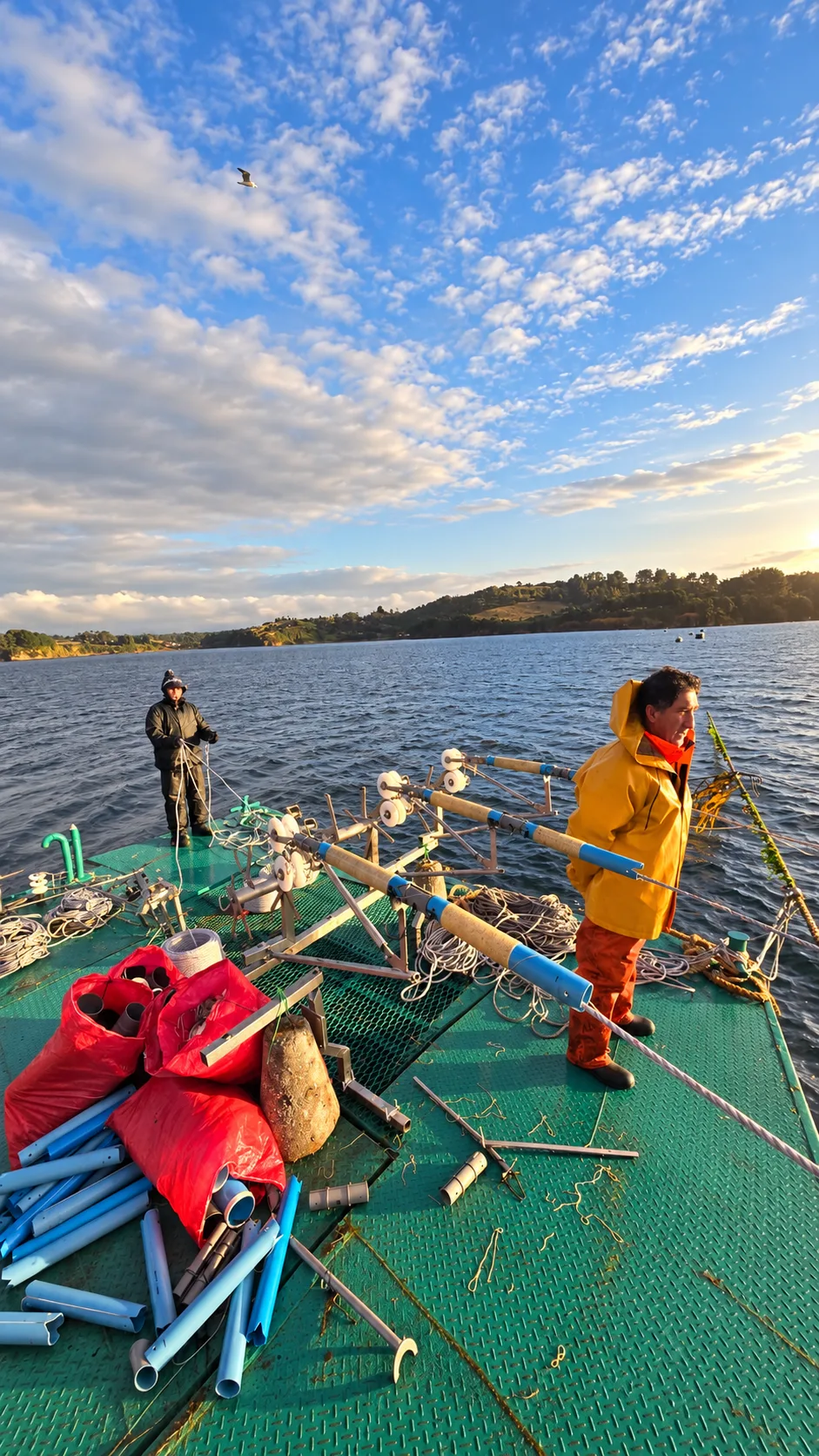
  2. Two people working on a farming platform at sea at sunset, with seeding equipment on deck

    P03

    Automated seeding and harvesting

    Our own seeding and harvesting systems, scaled up on a multipurpose platform, designed to increase farm productivity at sea.

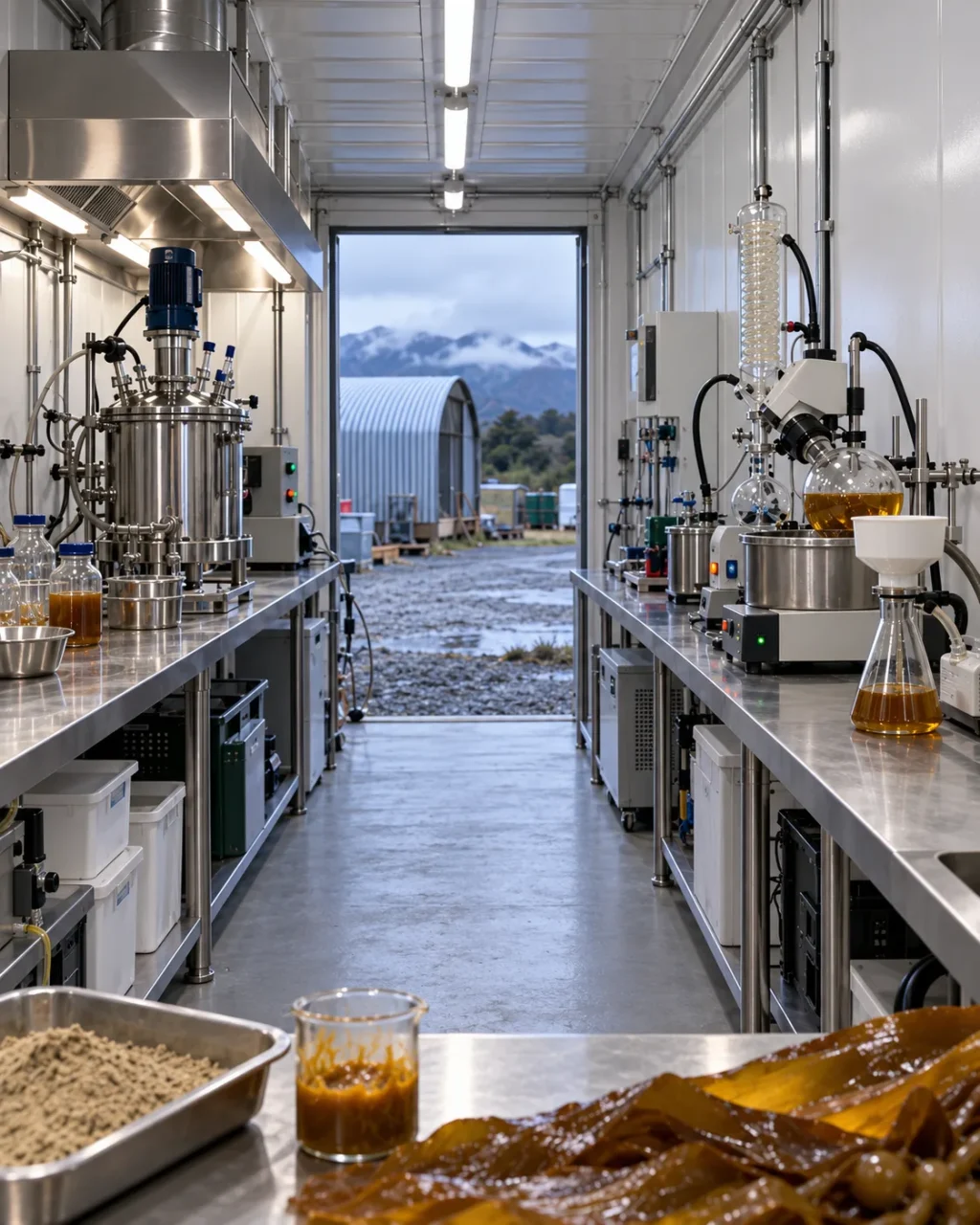
  3. Processing lab with reactors and kelp extracts, and seaweed blades on the bench

    P04

    Extract biorefinery

    Stabilization and extraction processes, using Macro Oceans technology, to obtain multiple extracts from a single batch of biomass.

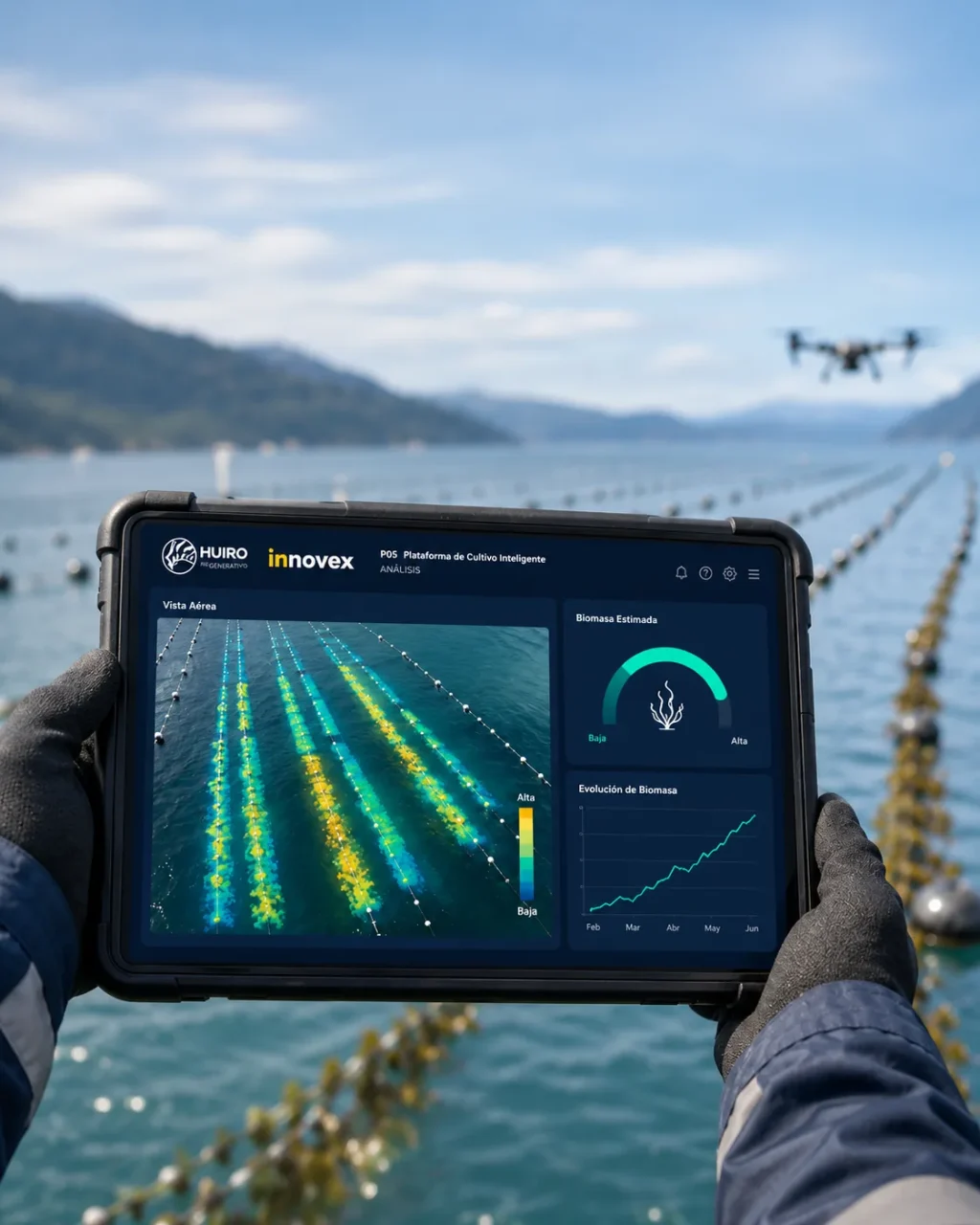
  4. Tablet showing the Huiro and Innovex monitoring platform over the farming lines, with a drone flying over the sea

    P05

    Smart farming platform

    Monitoring farm performance to support decision-making with a predictive model.

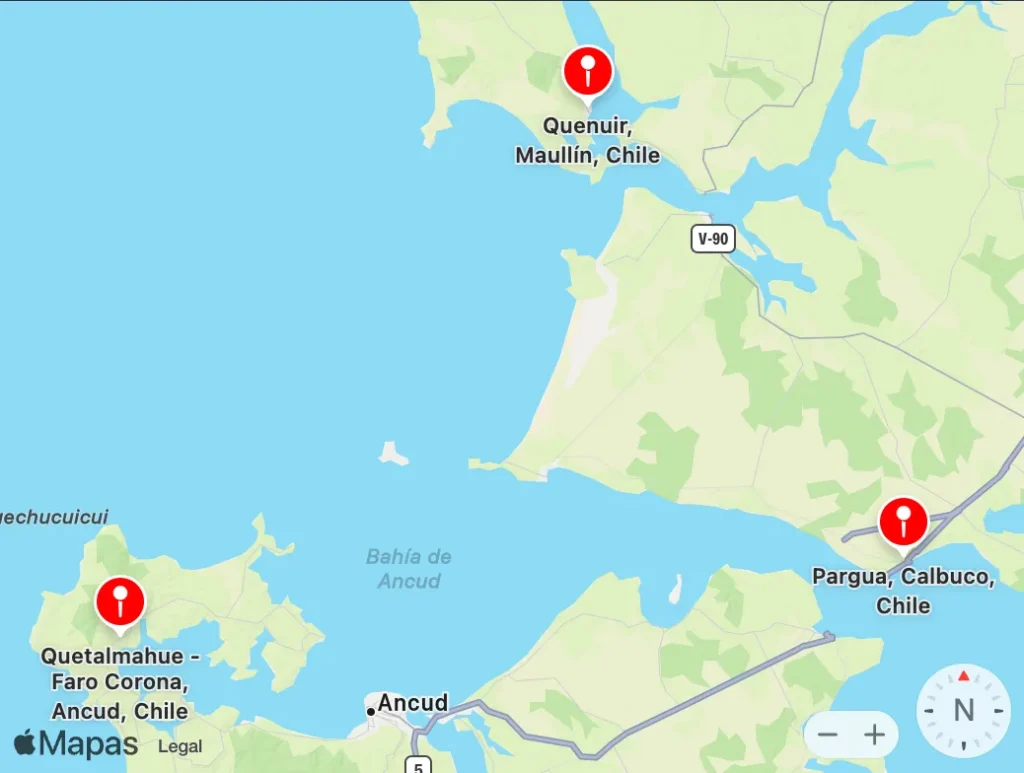
Map of the Chacao Channel with the three characterized sites: Quenuir, Faro Corona and Pargua

Georeferenced strain map

A map of the Macrocystis pyrifera strains we have characterized in the program, to plan spore collection and preserve the genetic diversity of kelp. It currently covers the first sites in the Los Lagos Region: Quenuir, Faro Corona and Pargua. It will grow as characterization progresses.
Explore the map

Who makes the program possible

Co-funded by

Co-implementers