About us
From knowledge to regenerative farming
Our purpose
To drive the transition toward a regenerative economic and environmental model that enables productive industries to operate sustainably, while caring for marine ecosystems through collaborative seaweed farming and the development of solutions that bring together science, innovation and place-based work in coastal territories.
Who we work with



Founders
-
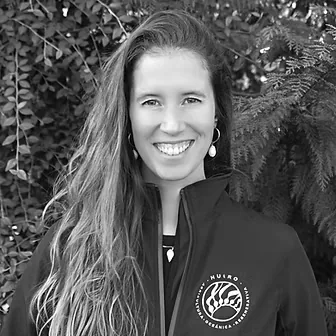
Director & CEO
María José De La Fuente
Marine biologist with a PhD in Engineering Sciences (Civil Engineering) from the Pontificia Universidad Católica de Chile (PUC). For more than 4 years she led sustainable small-scale fisheries projects in southern Chile, gaining extensive experience working with coastal communities.
LinkedIn of María José De La Fuente (opens in a new tab)
Early-stage founders
-
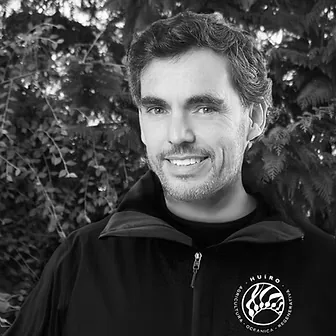
Strategic Director
Sebastián Gatica
Business major from PUC, with an MSc and PhD in Development Planning from University College London. Founder of the Social Innovation Lab CoLab UC. Faculty member at PUC and co-founder of regenerative ventures such as Carnes Manada and Travolution.
-
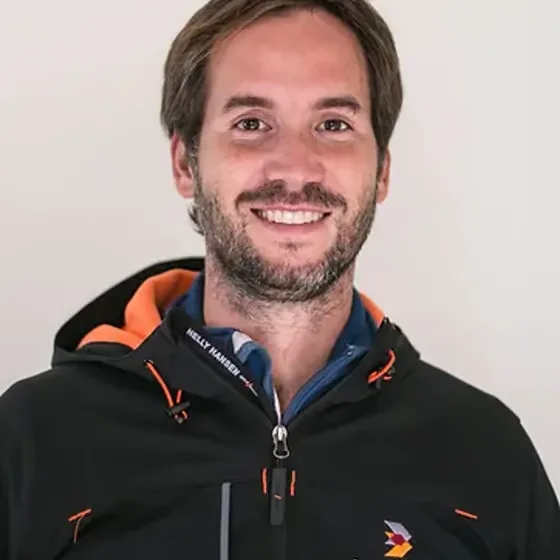
José Pablo Puga
Mechanical engineer with a master’s degree in Engineering from the Pontificia Universidad Católica de Chile and an MPhil in Industrial Systems, Manufacturing and Management from the University of Cambridge. He led the mechanical branch of the integration and verification team for ALMA, the world’s largest radio astronomy project, in the Atacama Desert. He went on to work as a senior engineer at Cambridge Consultants (UK) and as chief project engineer at Sealand Aquaculture, Chile’s largest recirculating smolt facility. Since 2018 he has been co-founder and CEO of ChucaoTech, which develops nanobubble technology for aquaculture, agriculture and mining.
-
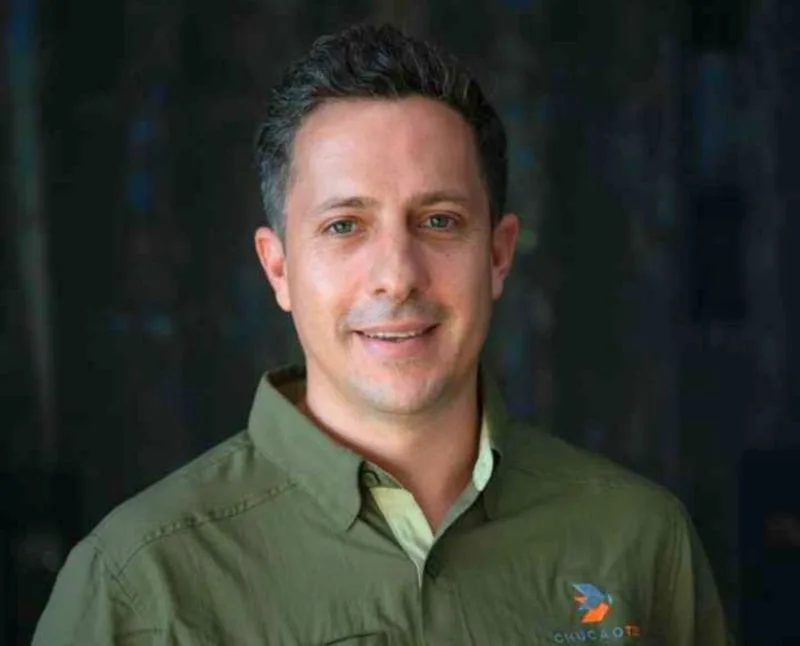
Tomás Bravo Hepp
Lawyer from the Universidad de los Andes, with a diploma in Tax Law from the Universidad de Chile and an MBA from Imperial College Business School (London). He began his career as a tax lawyer at PwC (Santiago and Lima) and CorreaGubbins, then moved into industry and technology as Commercial Manager at Celta Metal, Managing Director of Nitens Metals and advisor to The Carbon Trust on energy-efficiency solutions for South America. Since 2018 he has been co-founder of ChucaoTech, where he leads administration and finance.
Advisors
-
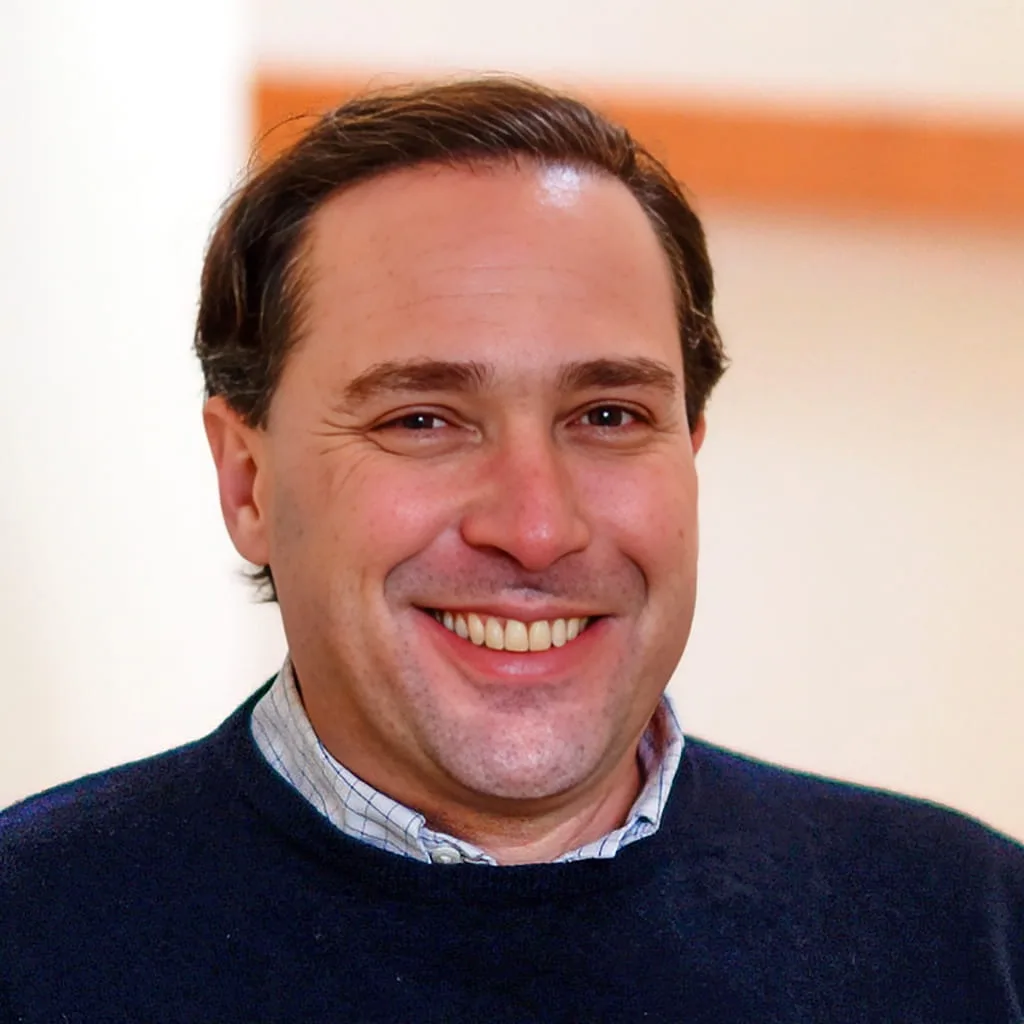
Strategic advisor
Guillermo Staudt
An executive with more than 20 years of experience in general management, commercial strategy and supply chain in the food and aquaculture industries. He has served as Commercial Manager at Ventisqueros, Head of South America at PHARMAQ and General Manager of Badinotti Chile, after more than a decade in management roles at Agrosuper. He holds a degree in Business from the Pontificia Universidad Católica Argentina and an MBA from ESE Business School, and is a mentor at Endeavor Chile. At Huiro, he sits on the board and supports us in strategy and business development.
Team
-
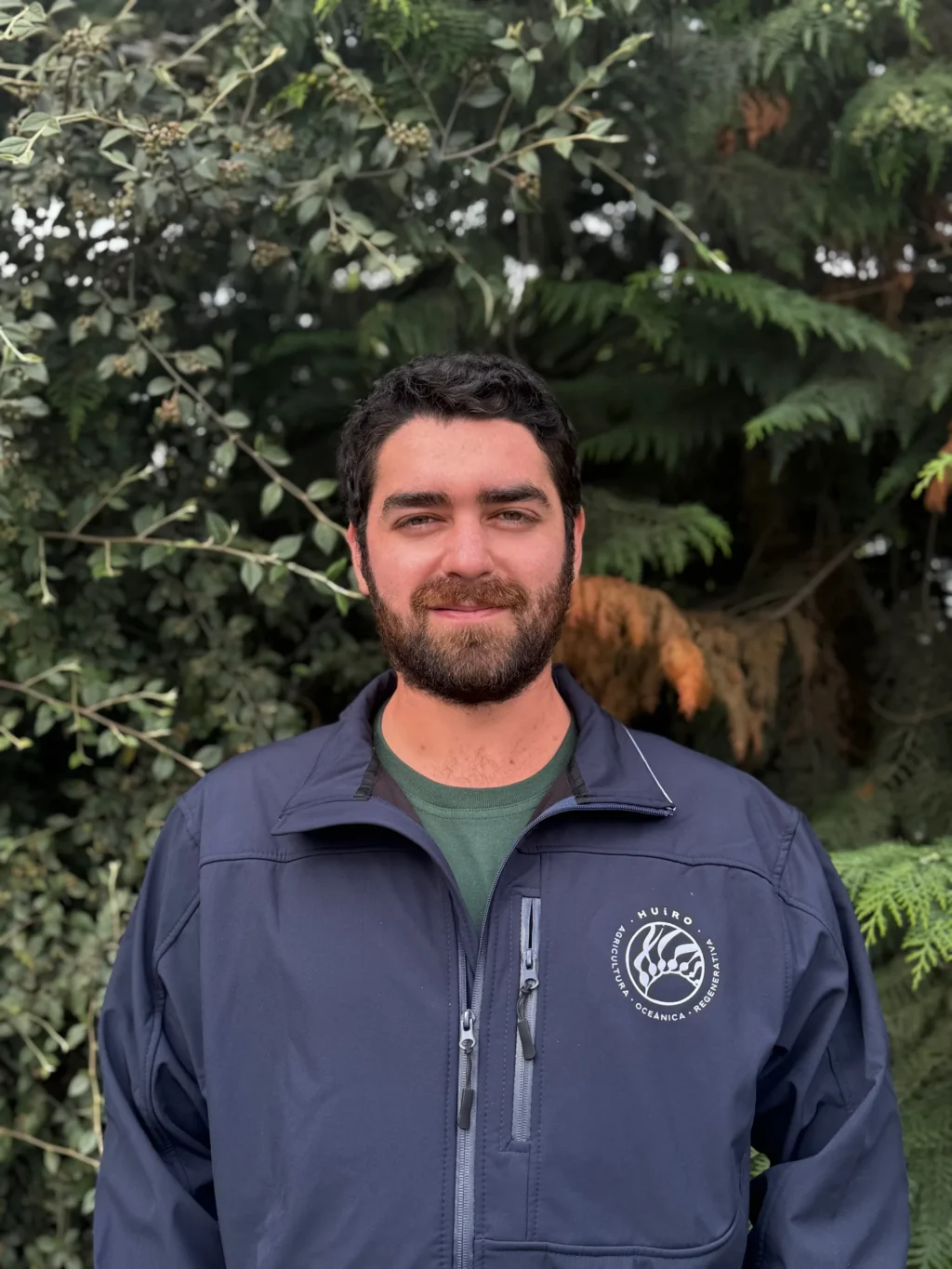
Corporate Manager
Juan Manuel Grünwald
-
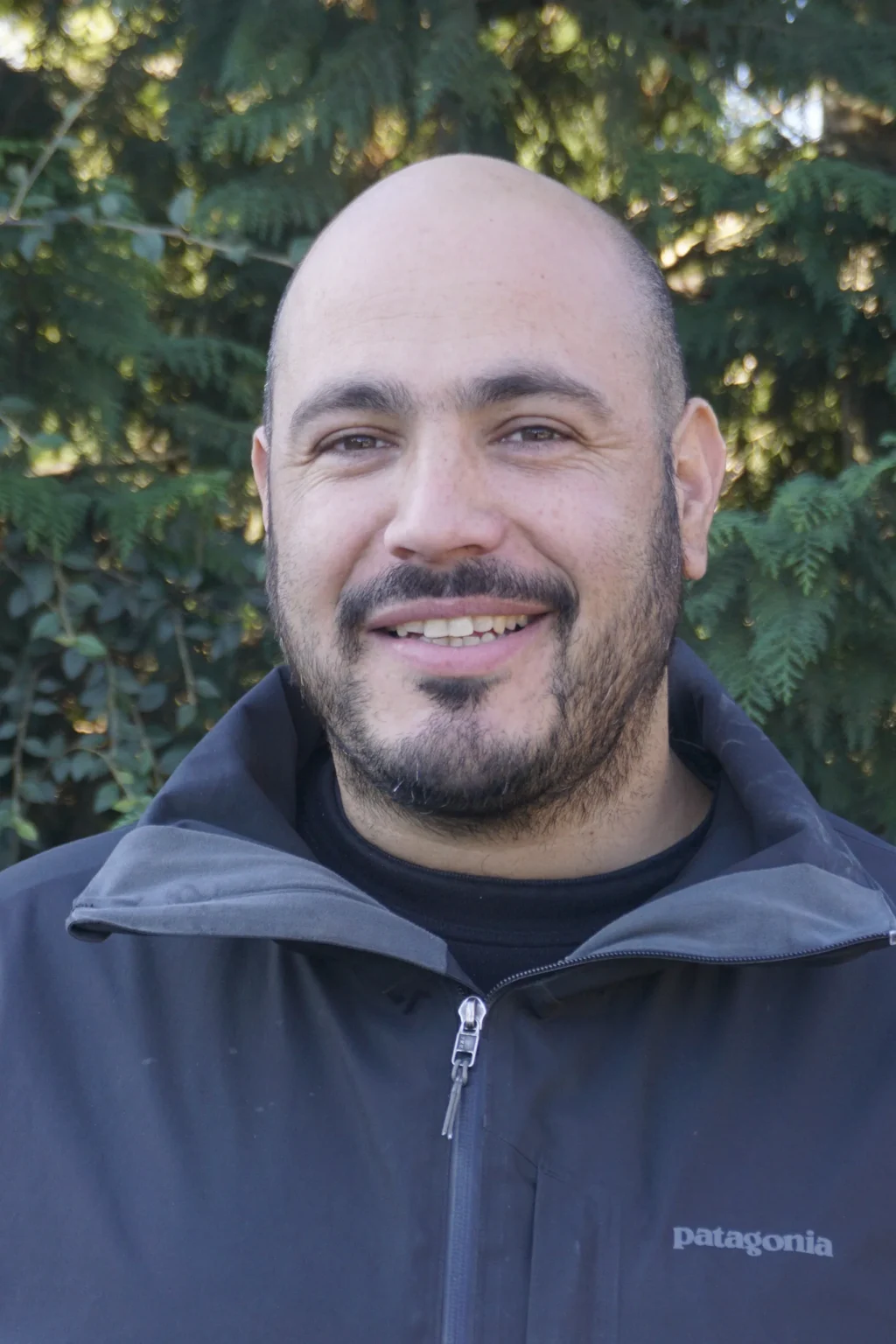
Head of Operations and Farming
Maximiliano Ramdohr
-
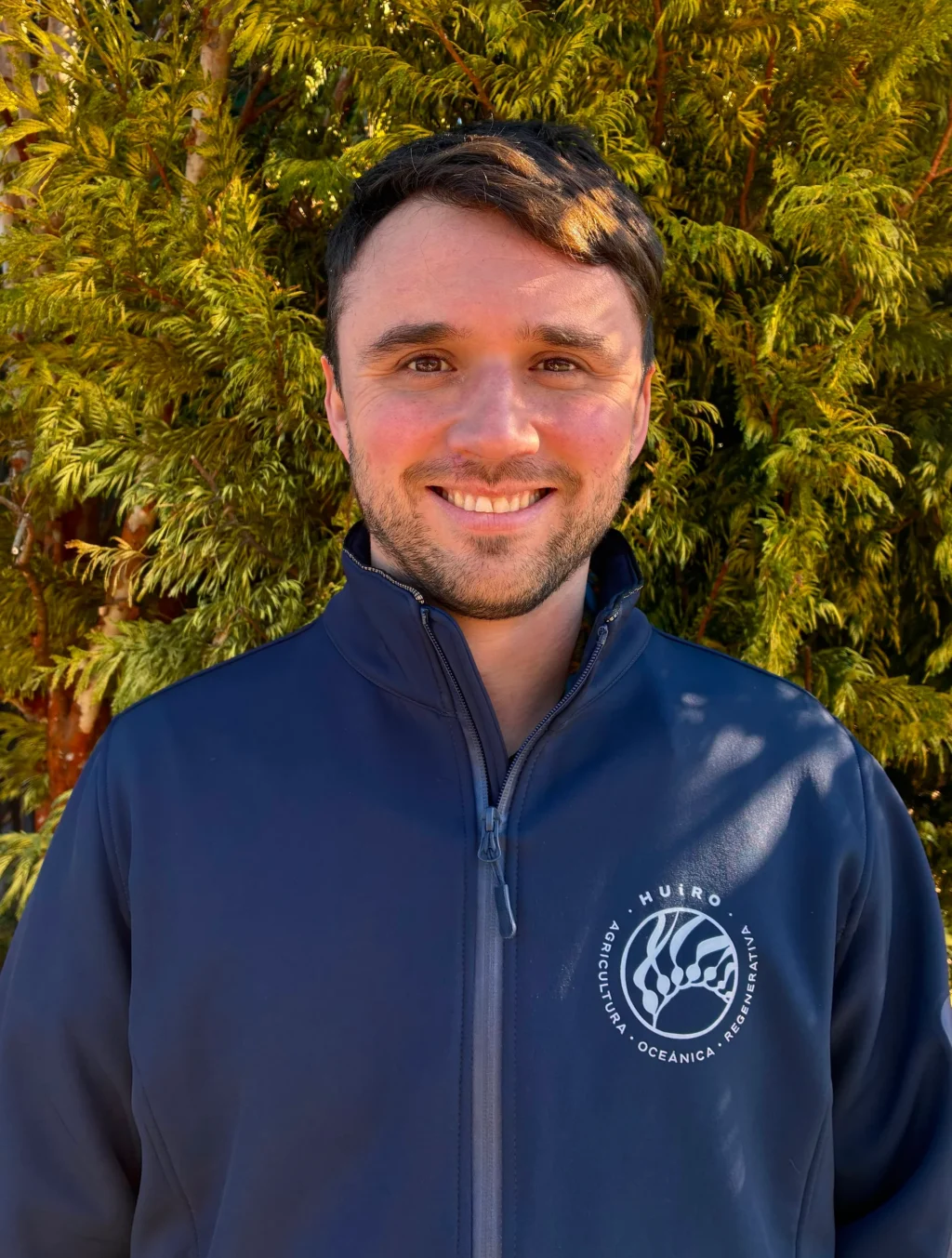
Head of Hatchery
Felipe Martínez
-
Head of Administration and Finance
Leandro Quezada
-
Head of People and Culture
Carola Lema
-
Head of Production Standardization and Quality Assurance
Nuria Bellido
-
Technology Transfer Lead, Central Chile
Emilia Moure
-
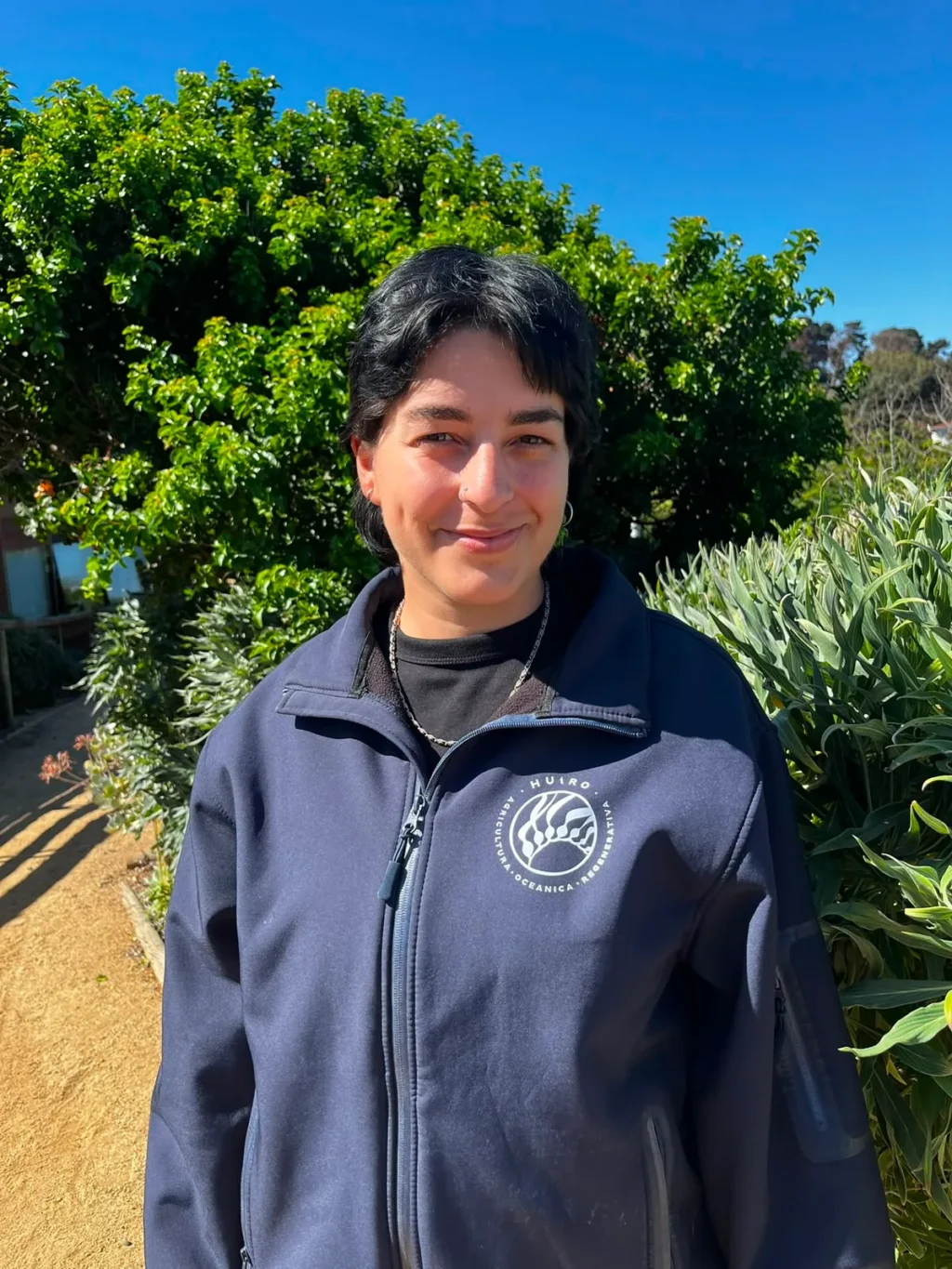
Outreach and Communications Lead
Javiera Celis
-
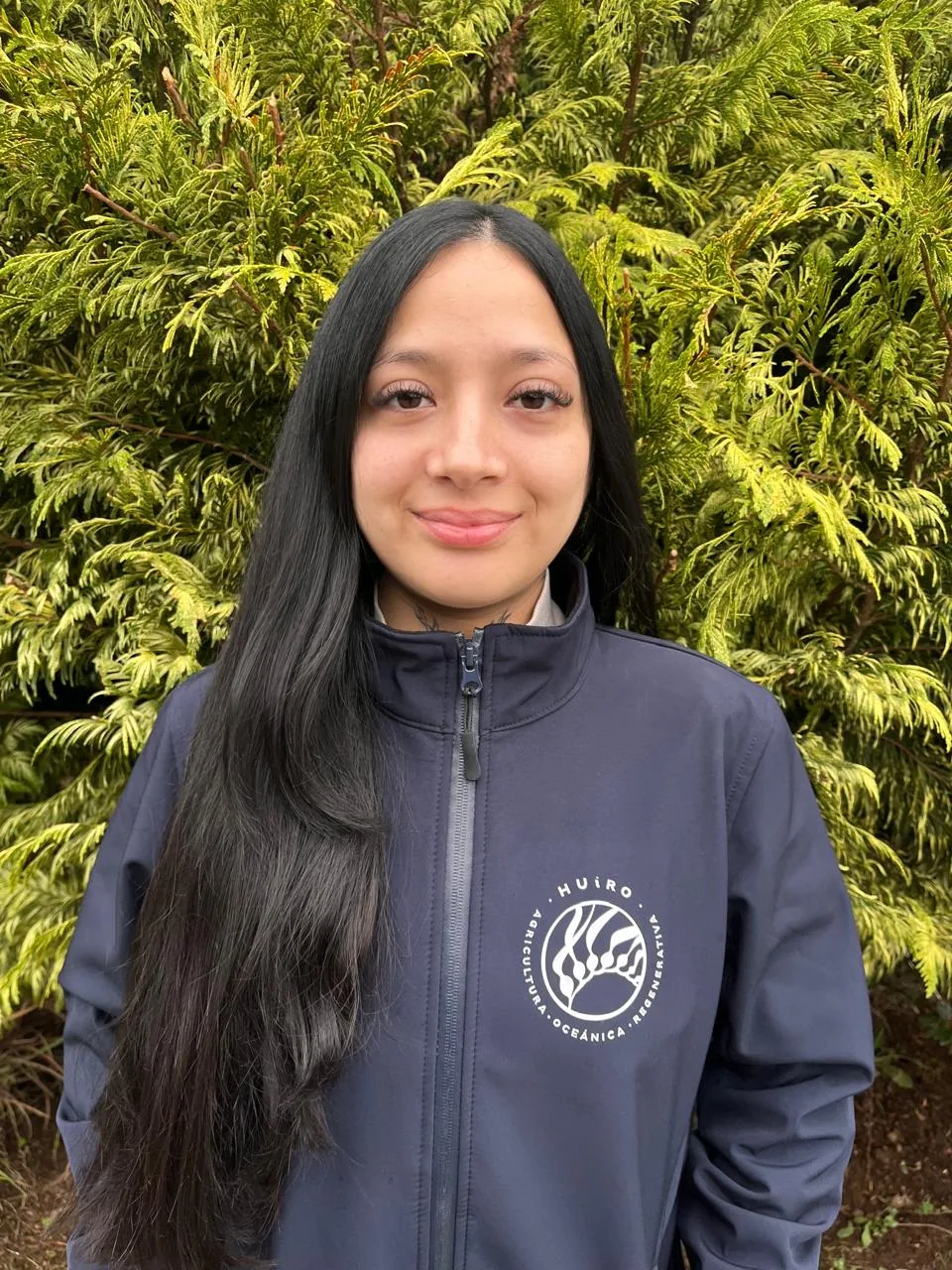
Administrative Assistant
Fernanda Vidal
-
Workshop Technician
Javier Navarro
-
Workshop Operator
Deivy Vivas
-
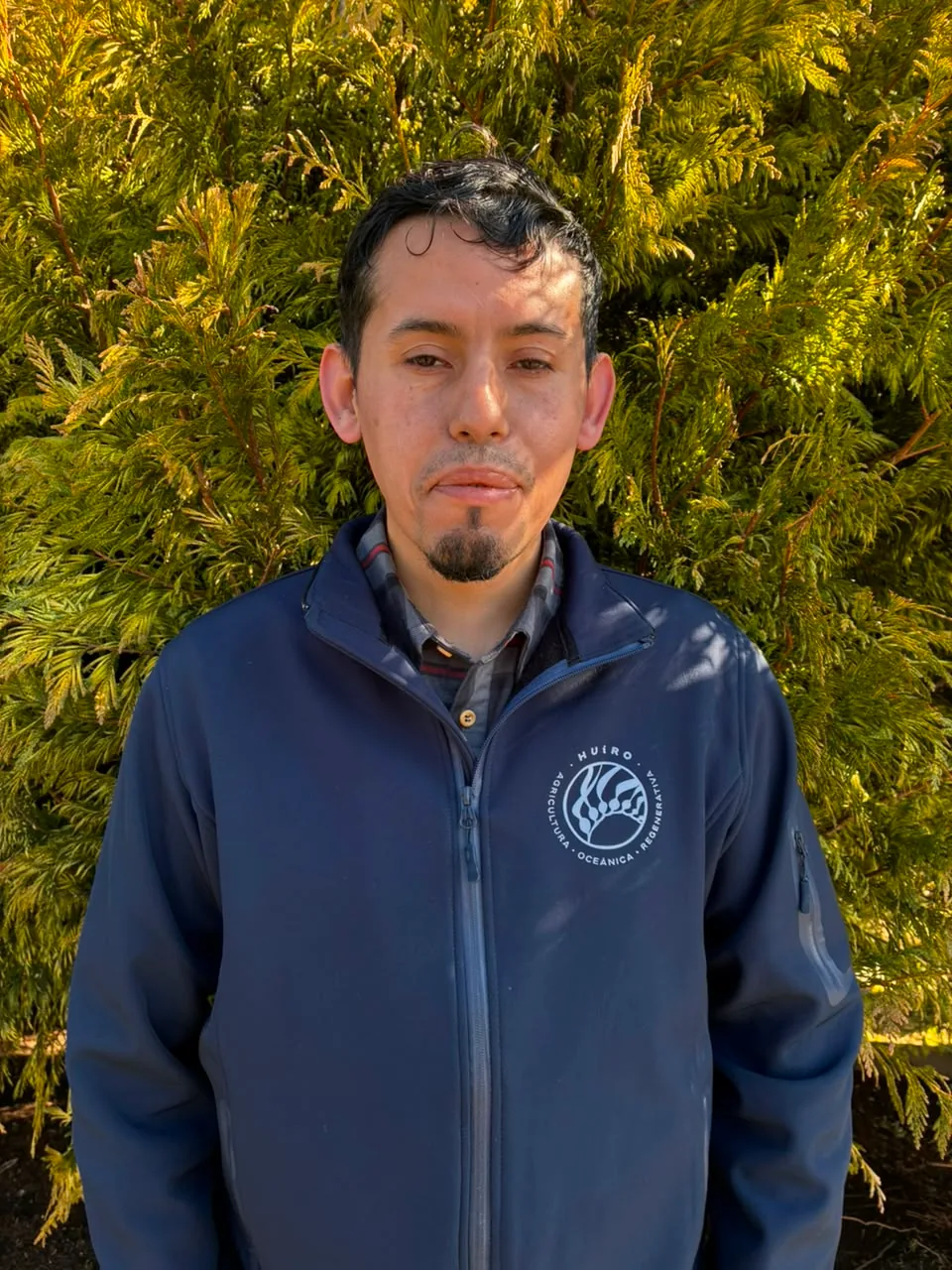
Farm Operator
Ariel Gutiérrez
-
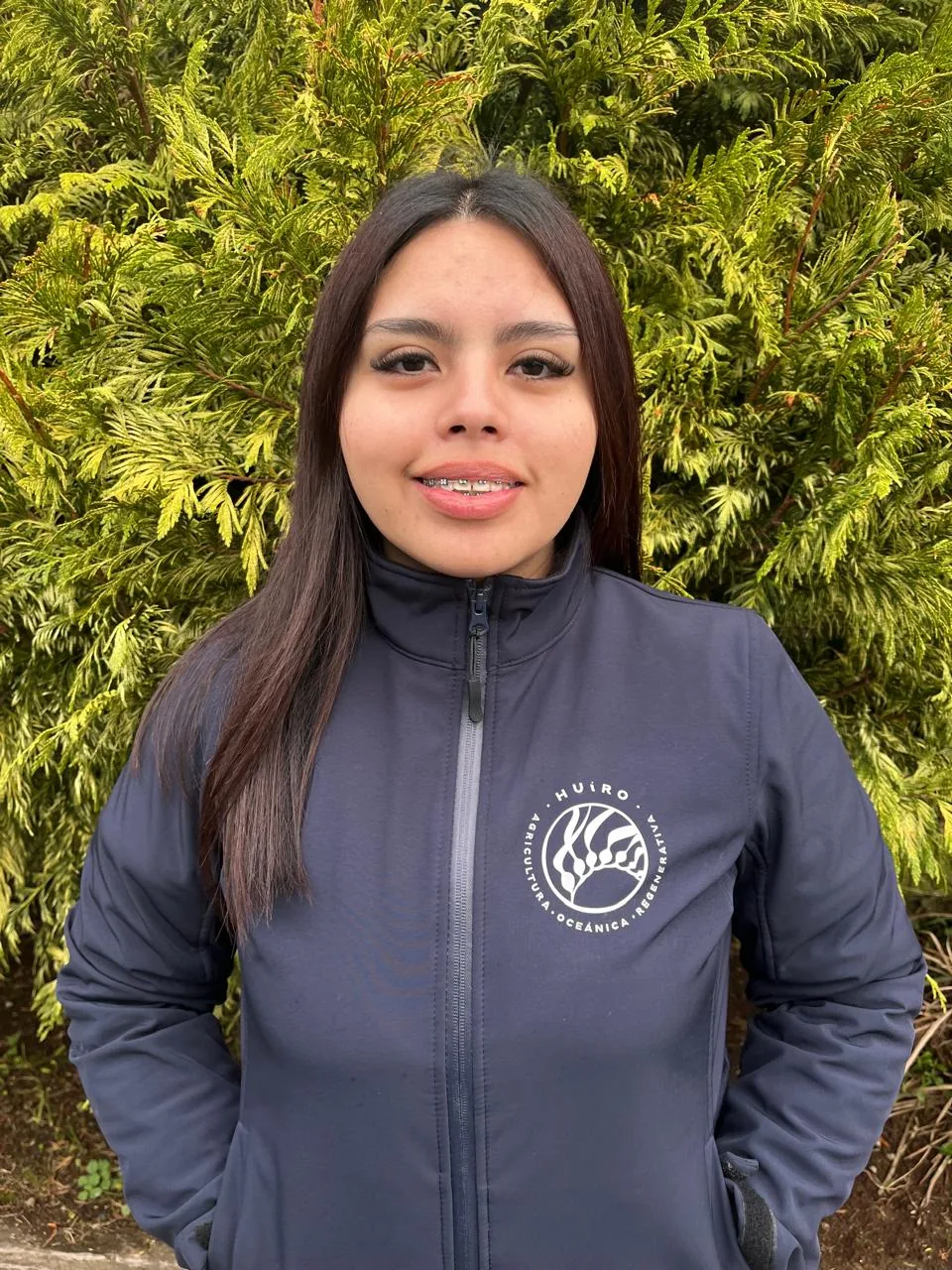
Hatchery Operator
Belén Vargas
-
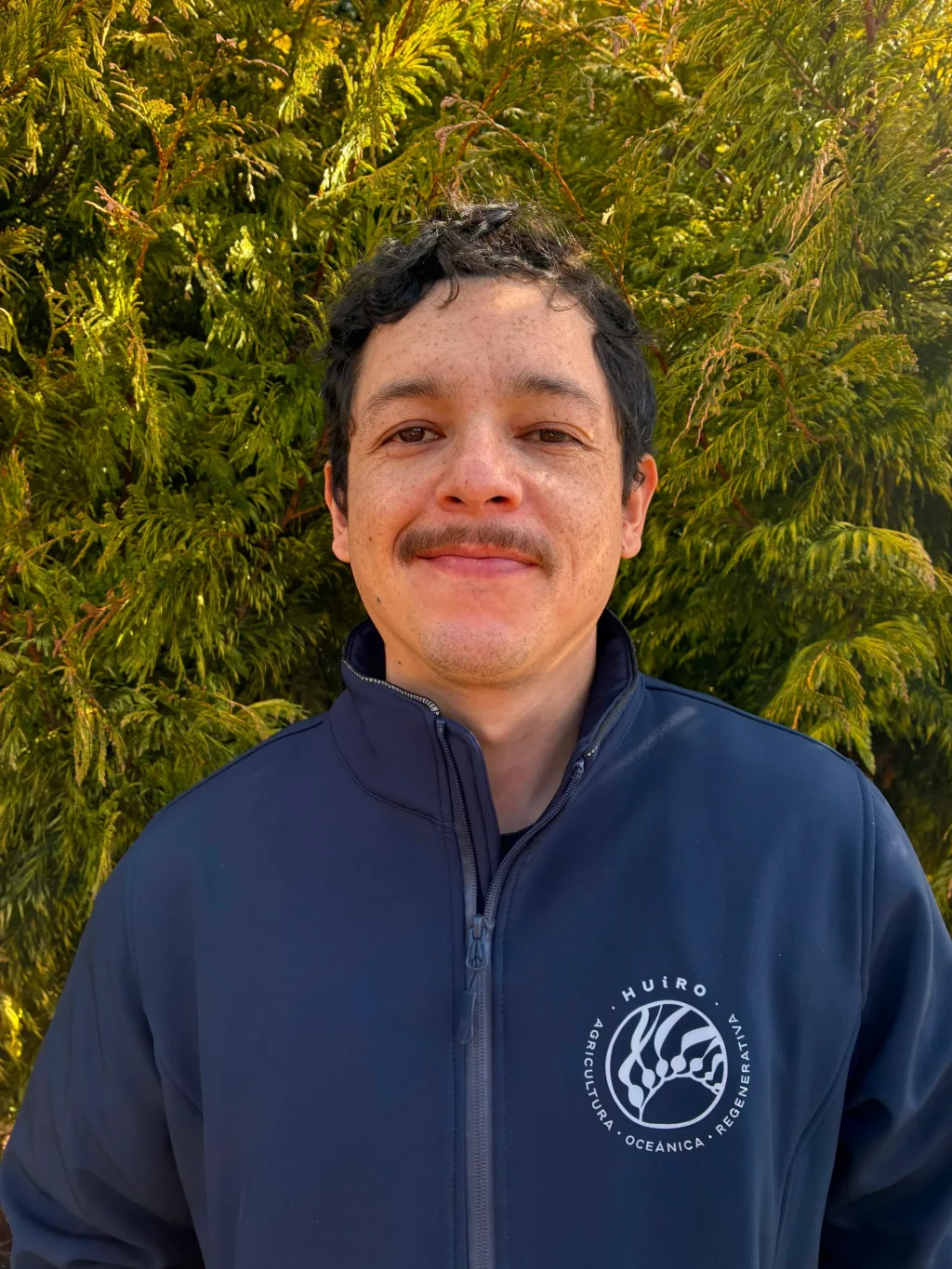
Hatchery Operator
Jury Infante
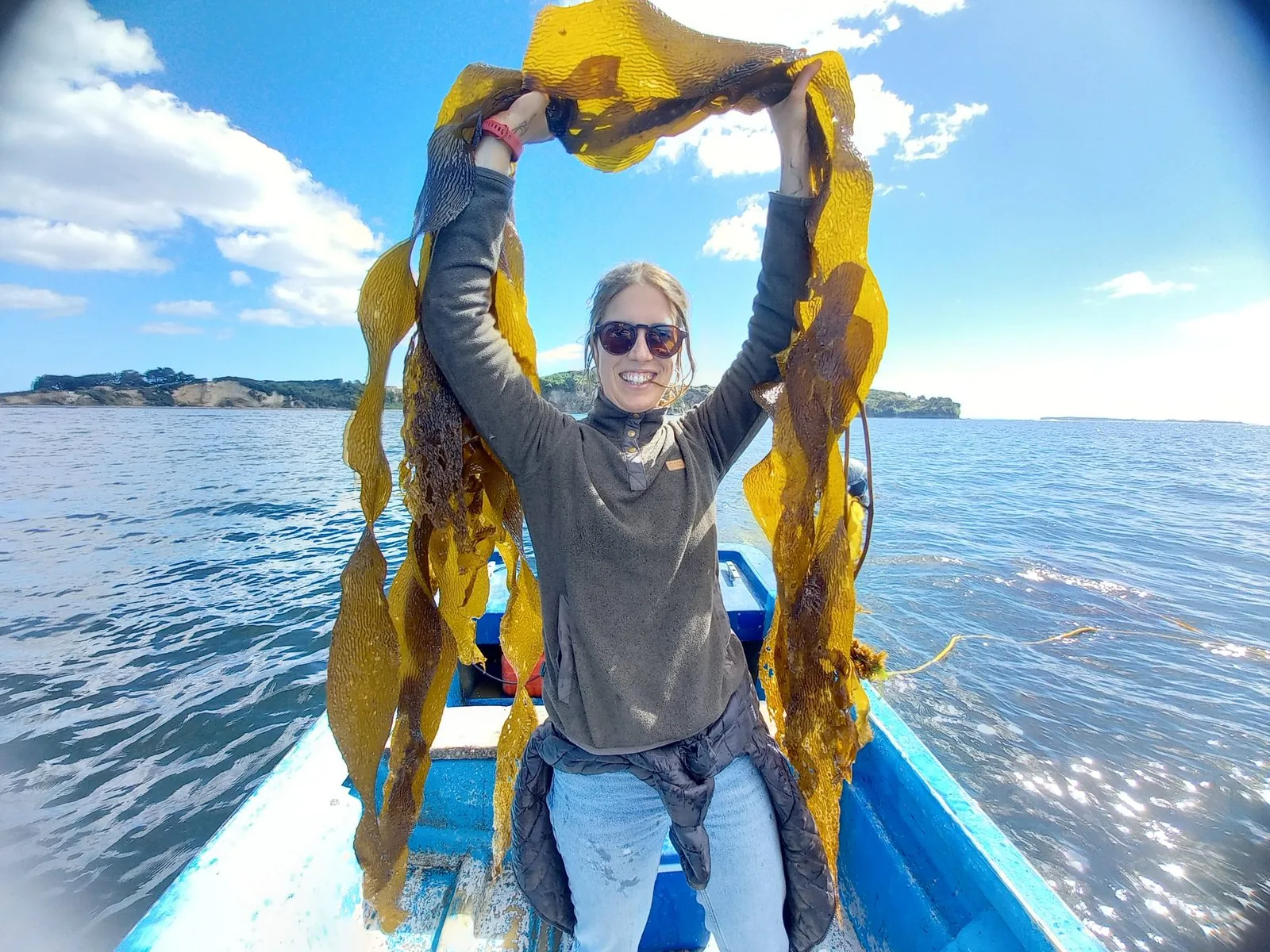
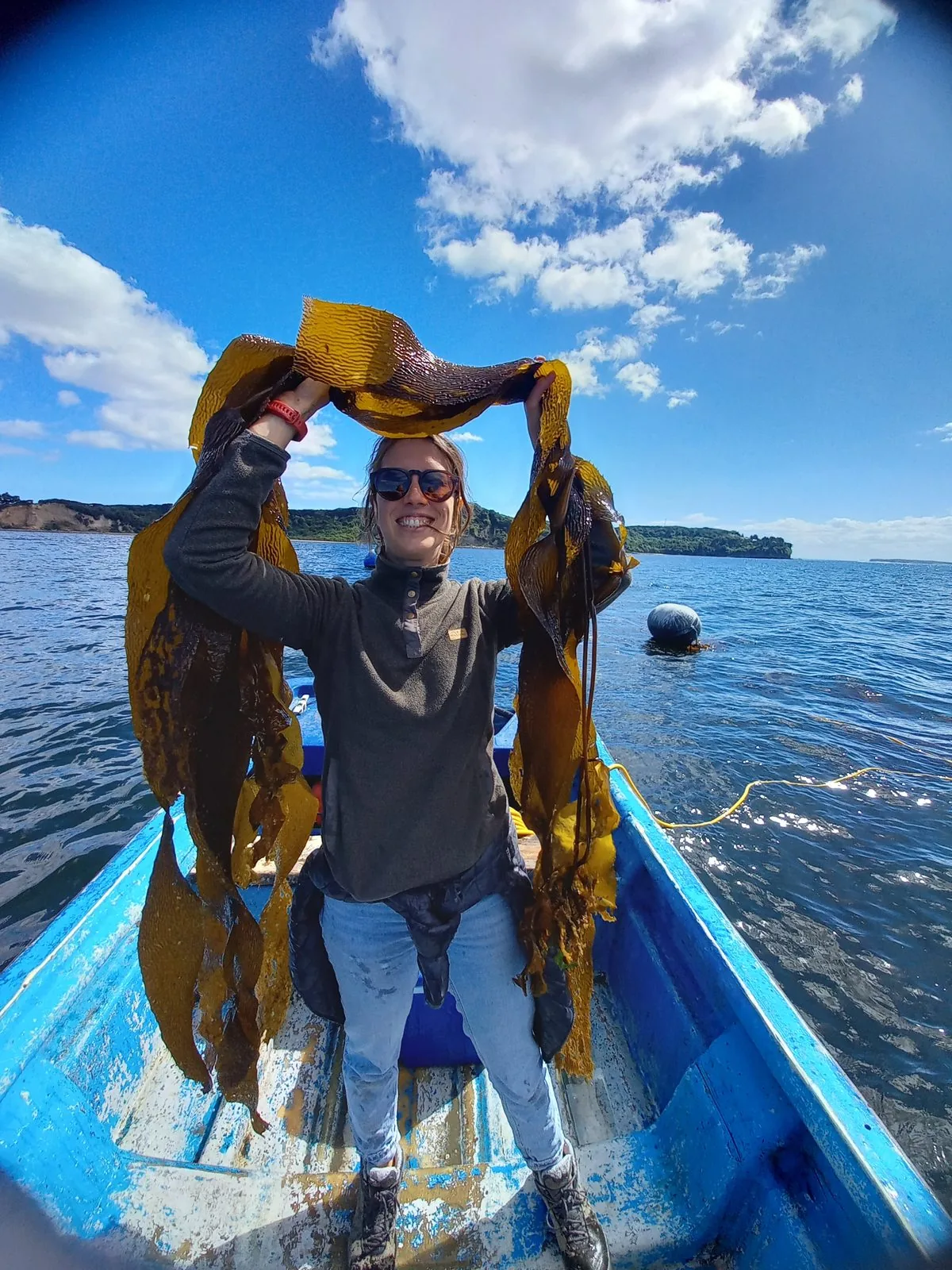
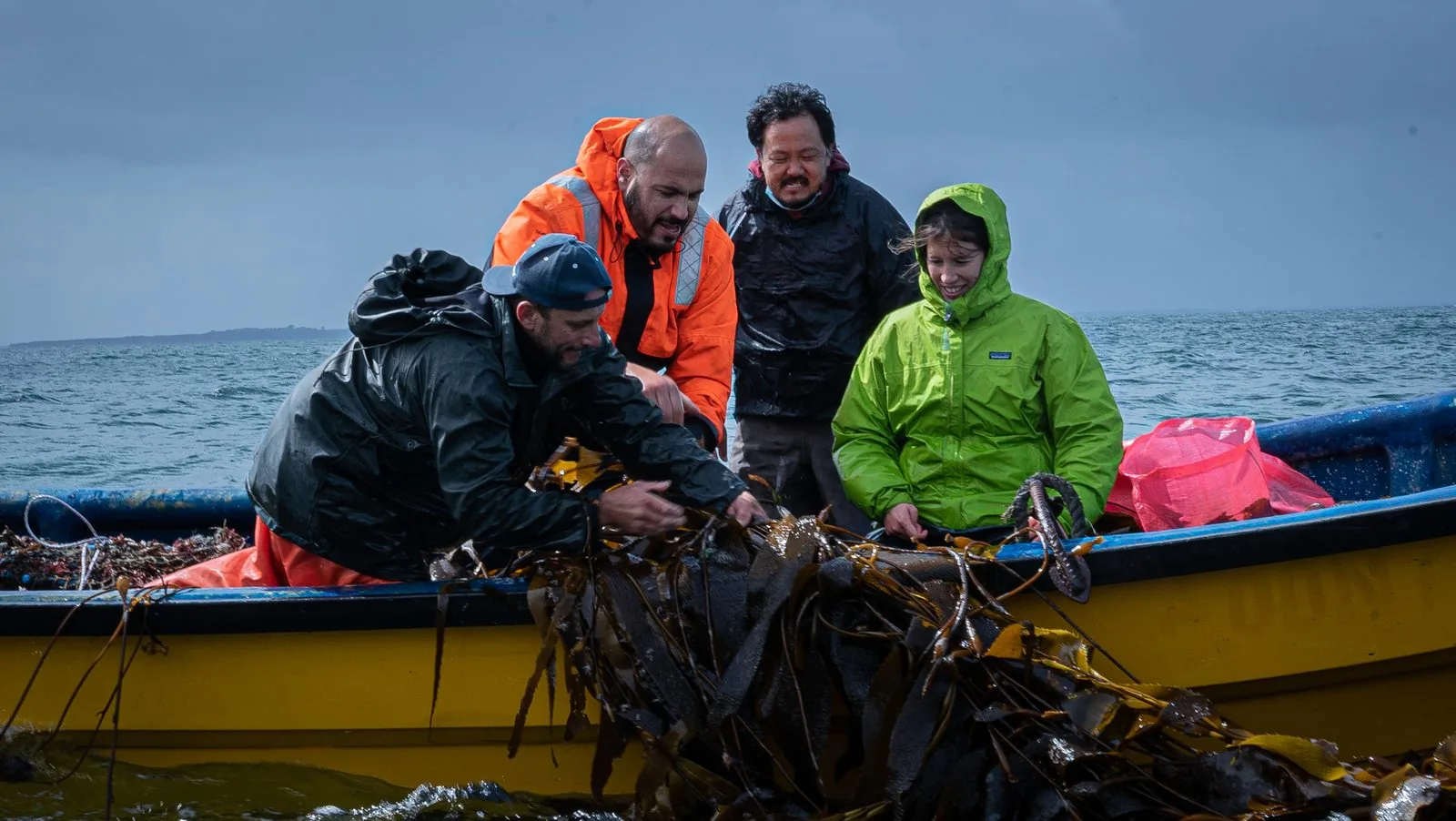
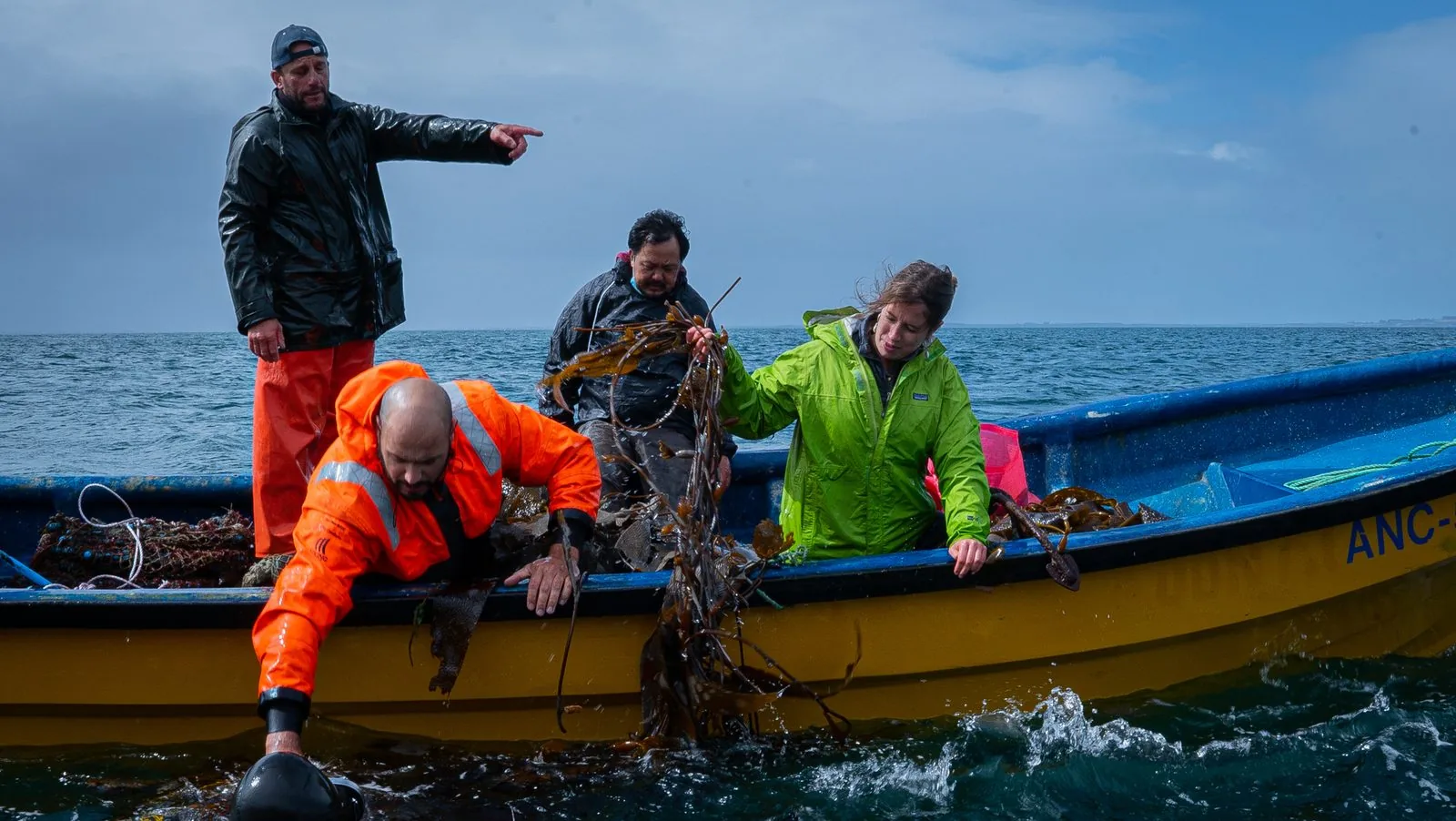
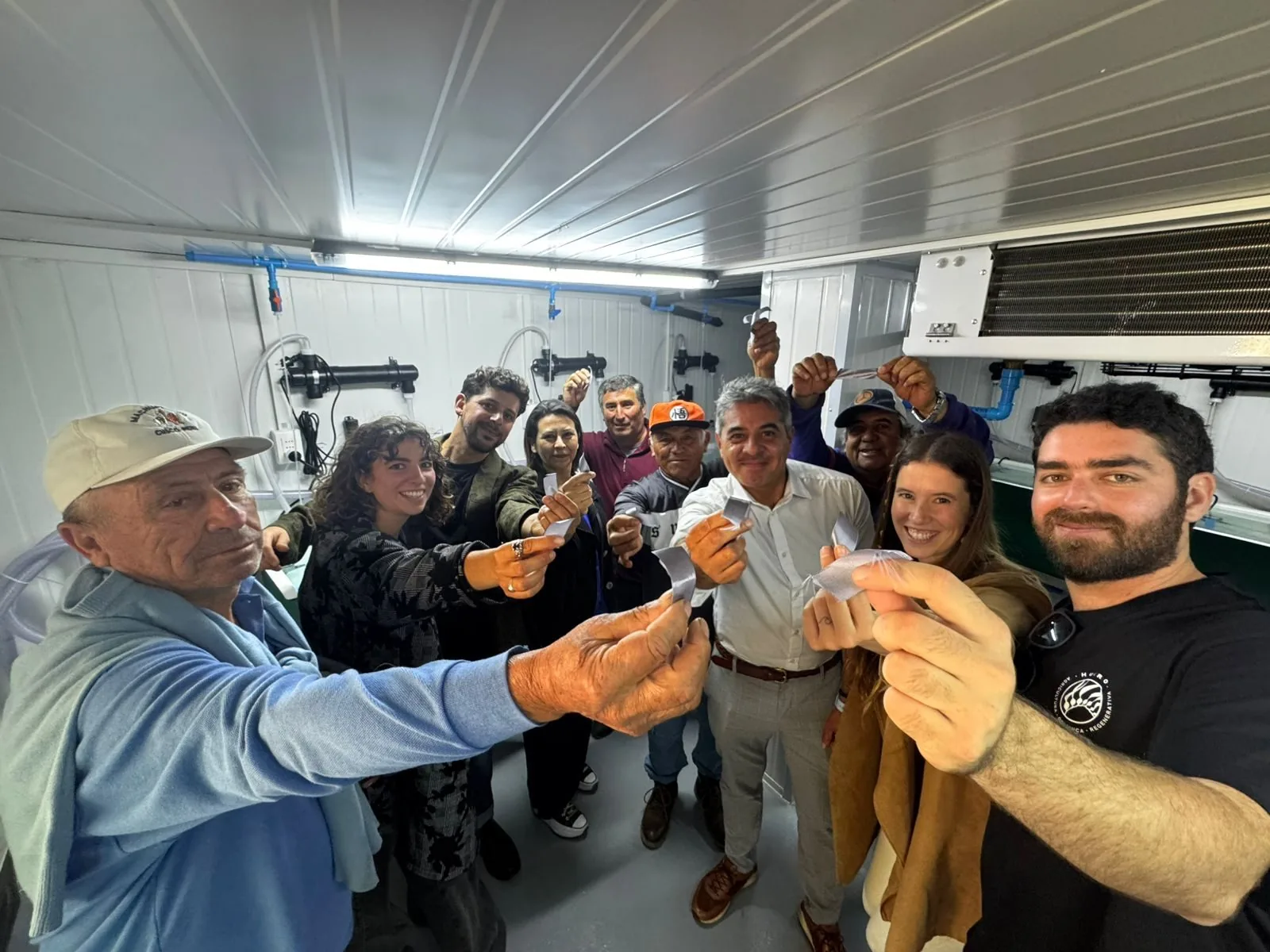
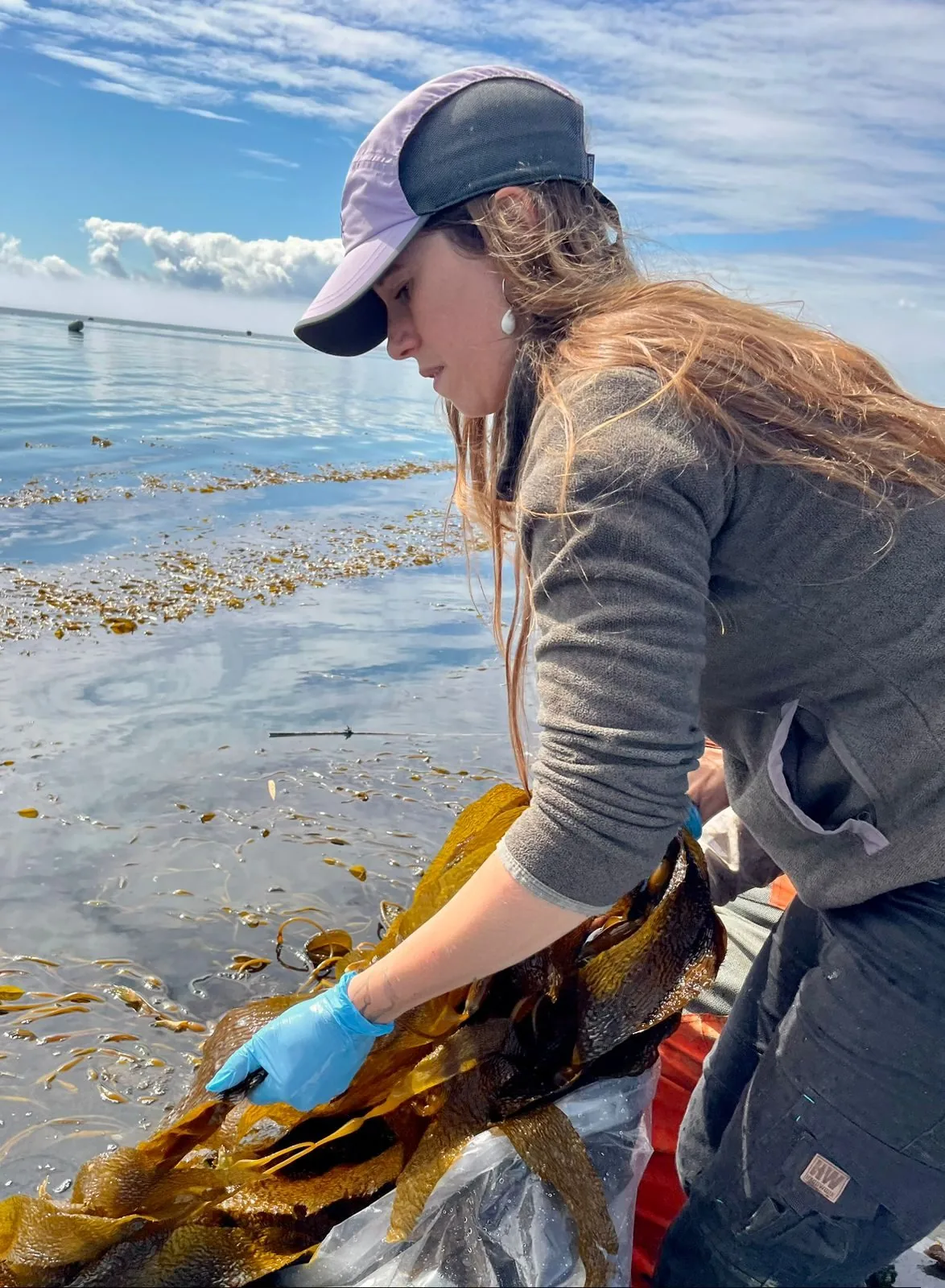
We are committed to the environment and to the regenerative production of seaweed through our work with local communities: training and professionalizing people while preserving their ways of life and the cultural ways in which they carry out their work.
5 years of regenerative farming
Awards & recognition
-
Avonni 2023 · Banco de Chile Innovative Woman
-
Avonni 2023 · Arauco Climate Action and Biodiversity
-

Premio Fundadora Visionaria 2023
More than five years of regenerative farming
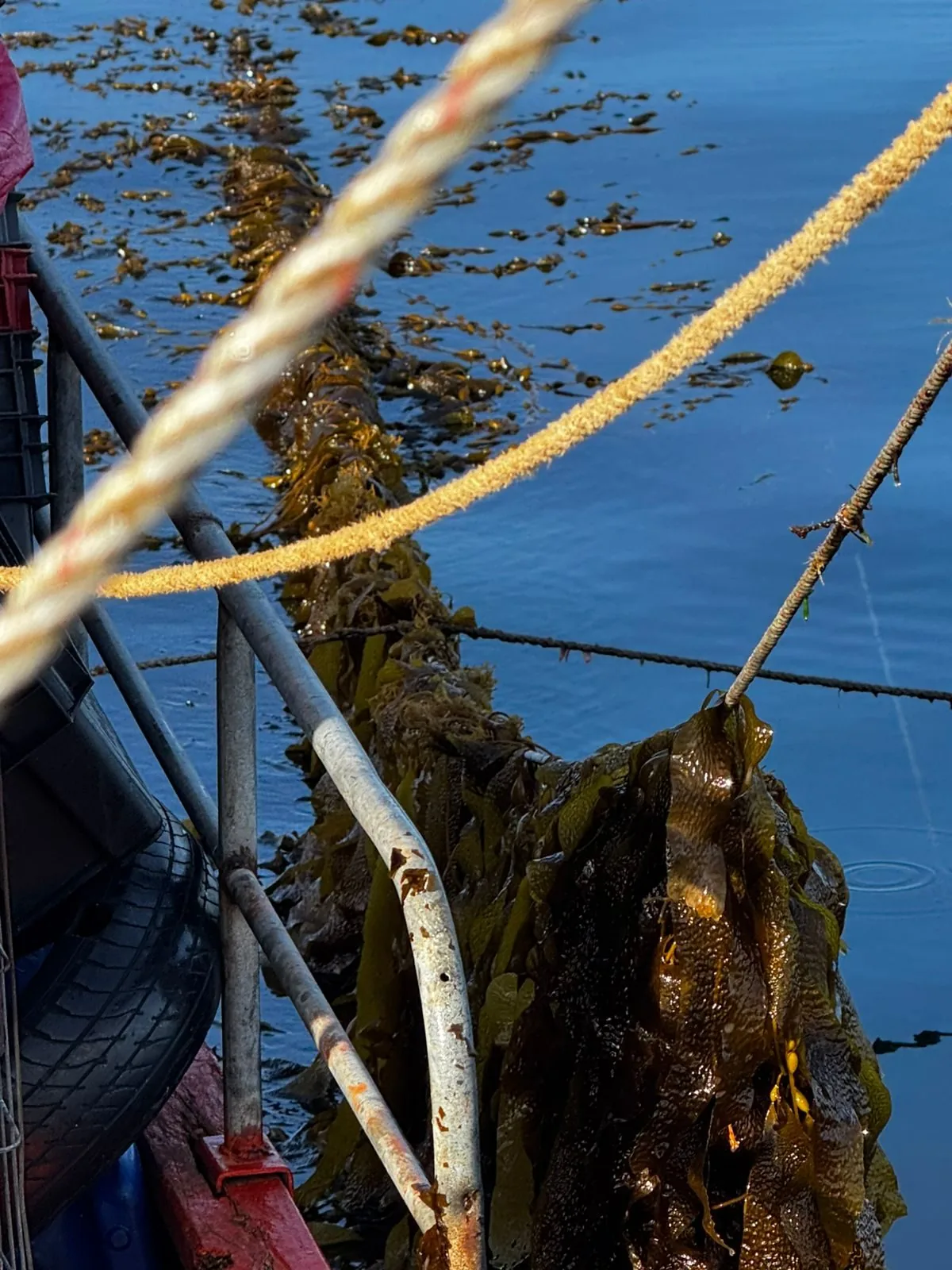
Five years farming Macrocystis pyrifera in southern Chile: our milestones year by year, with the results of each stage and the photos that go with them.
-
2021
Huiro Regenerativo is born and settles in Puerto Varas
We founded the company and moved to Puerto Varas to begin our first operations. That same year we set up our first pilot hatchery.
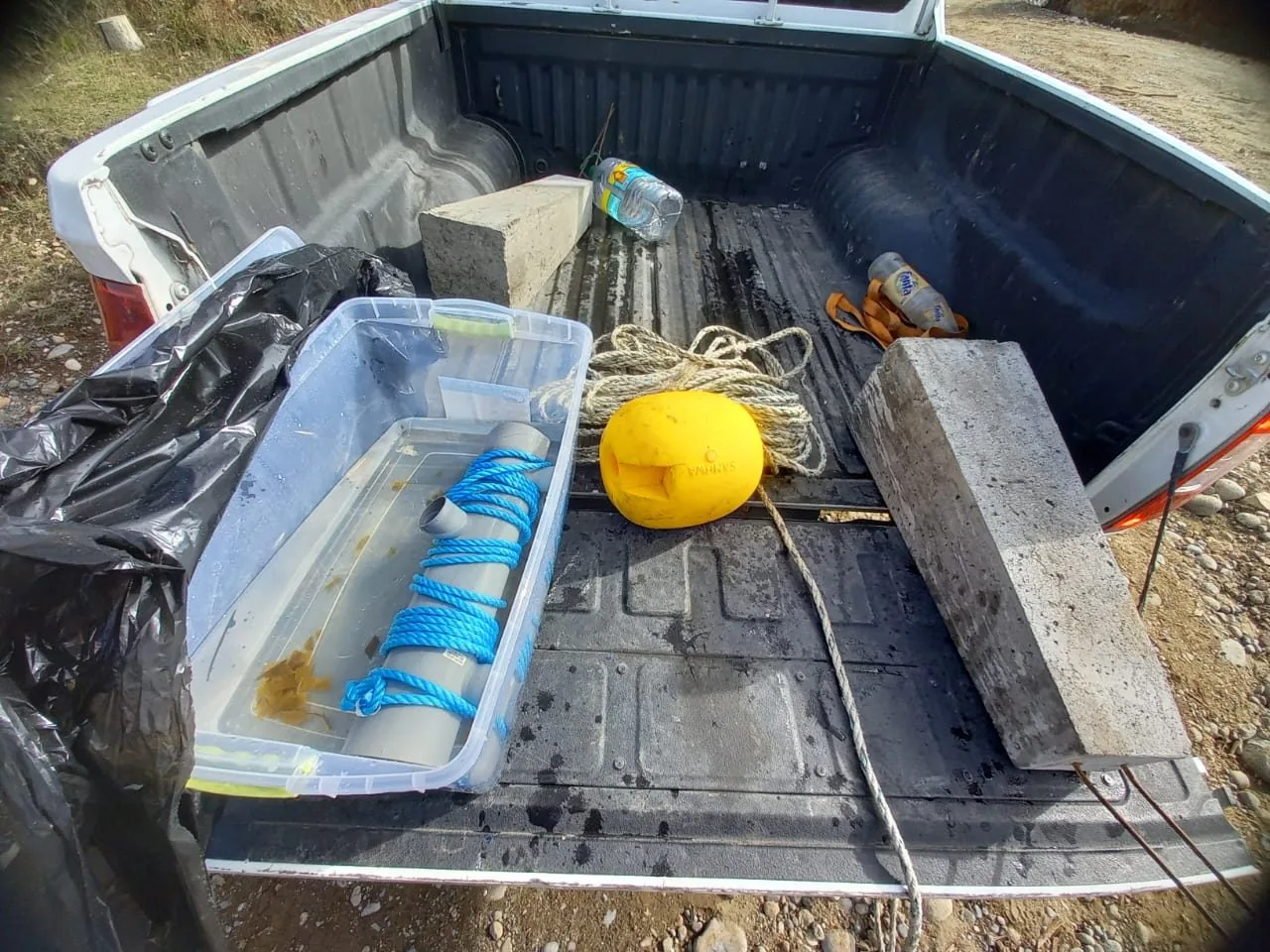
It was a bare-bones setup, built with whatever we had at hand: boxes, PVC pipes, rope and a couple of concrete blocks. We collected fertile material on the coast, seeded it onto spools and took the first seedlings out to sea to see whether the idea would work.
Data, results and photos from 2021
- Founded
- February 1, 2021
- Legal name
- Agricultura Oceánica Regenerativa SpA
- Team
- 3 people
- Technical milestone
- First pilot hatchery
Results
- First pilot hatchery up and running, built entirely with our own resources.
- Field-defined protocol for collecting and selecting fertile Macrocystis pyrifera material.
- First spore-seeded spools produced and deployed at sea.
- Full hatchery → sea cycle validated for the first time: the idea was technically feasible.
- No sales this year: the entire operation was technical validation.
Photos
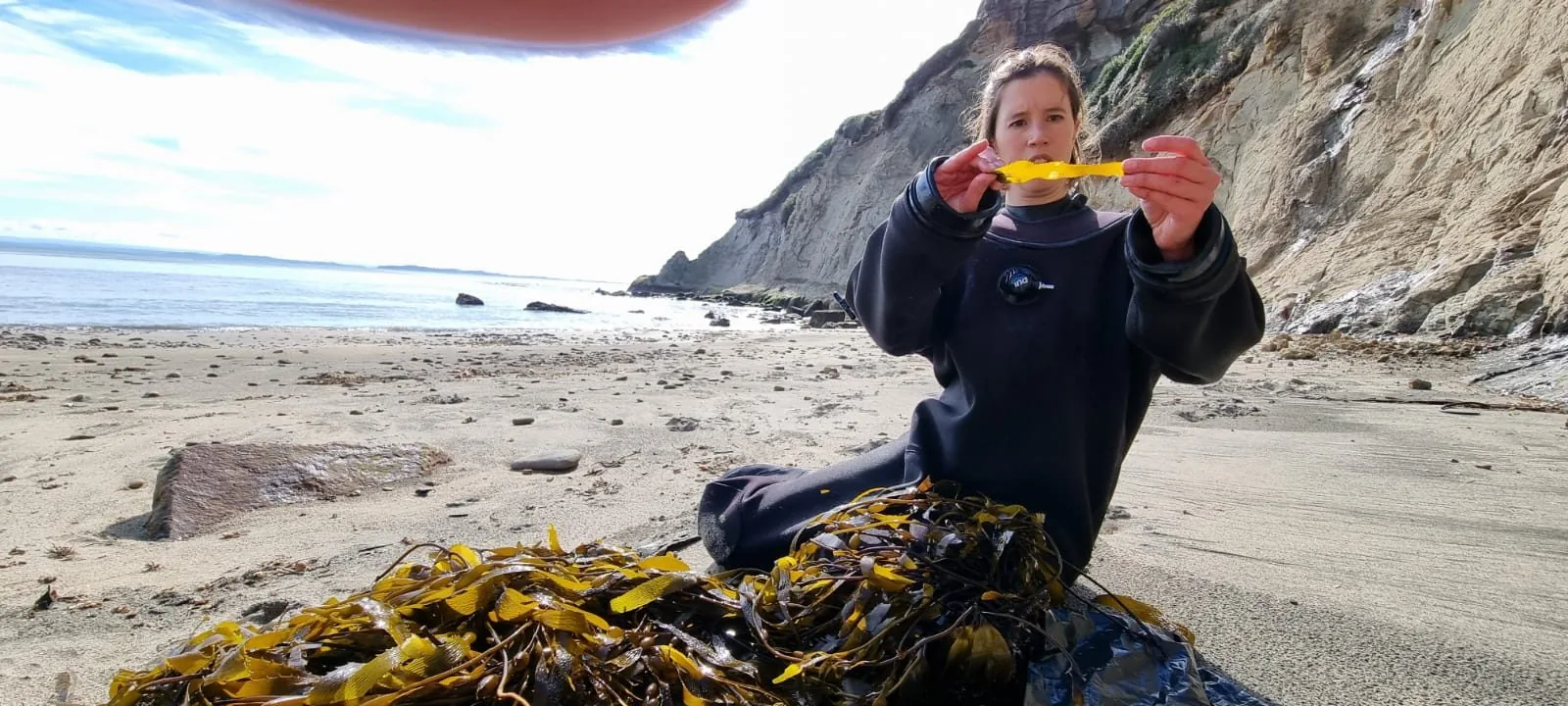
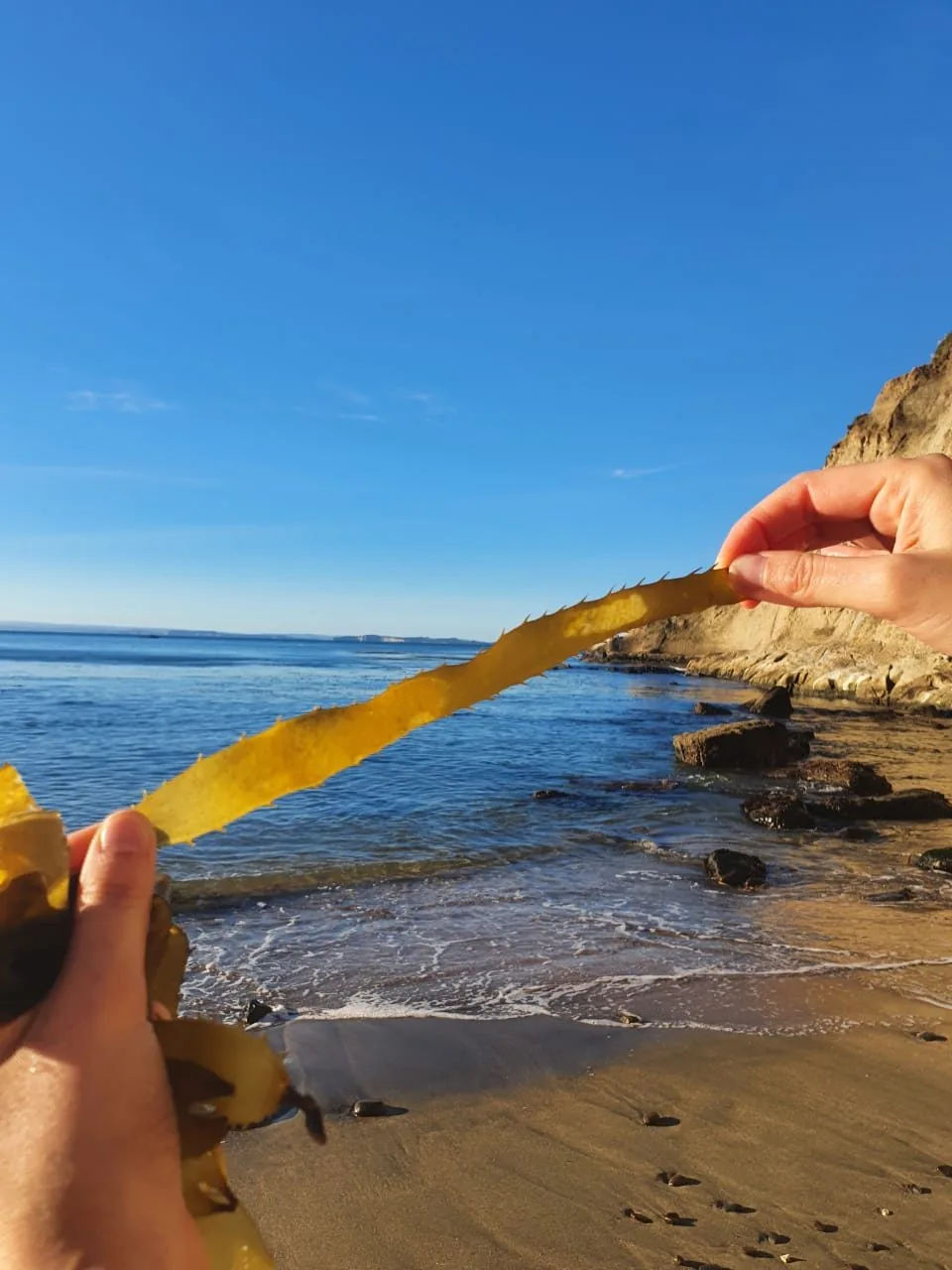
Selecting fertile material: A kelp blade is inspected on the shore before going to the hatchery.
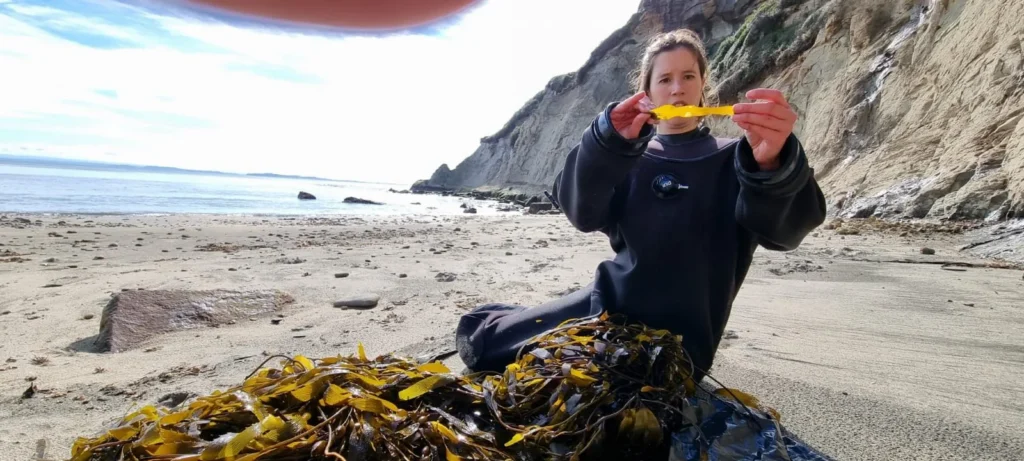
Collecting sporophytes: Material gathered in the field to produce our first spores.
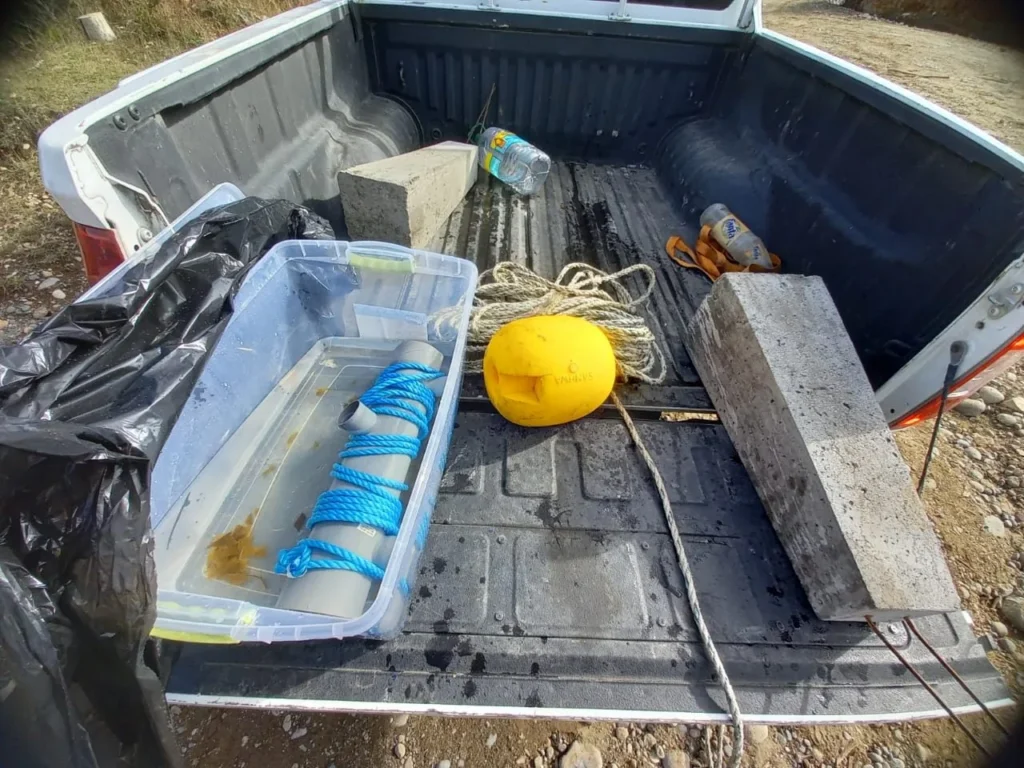
First pilots: All the gear for our first deployment fit in the pickup truck.
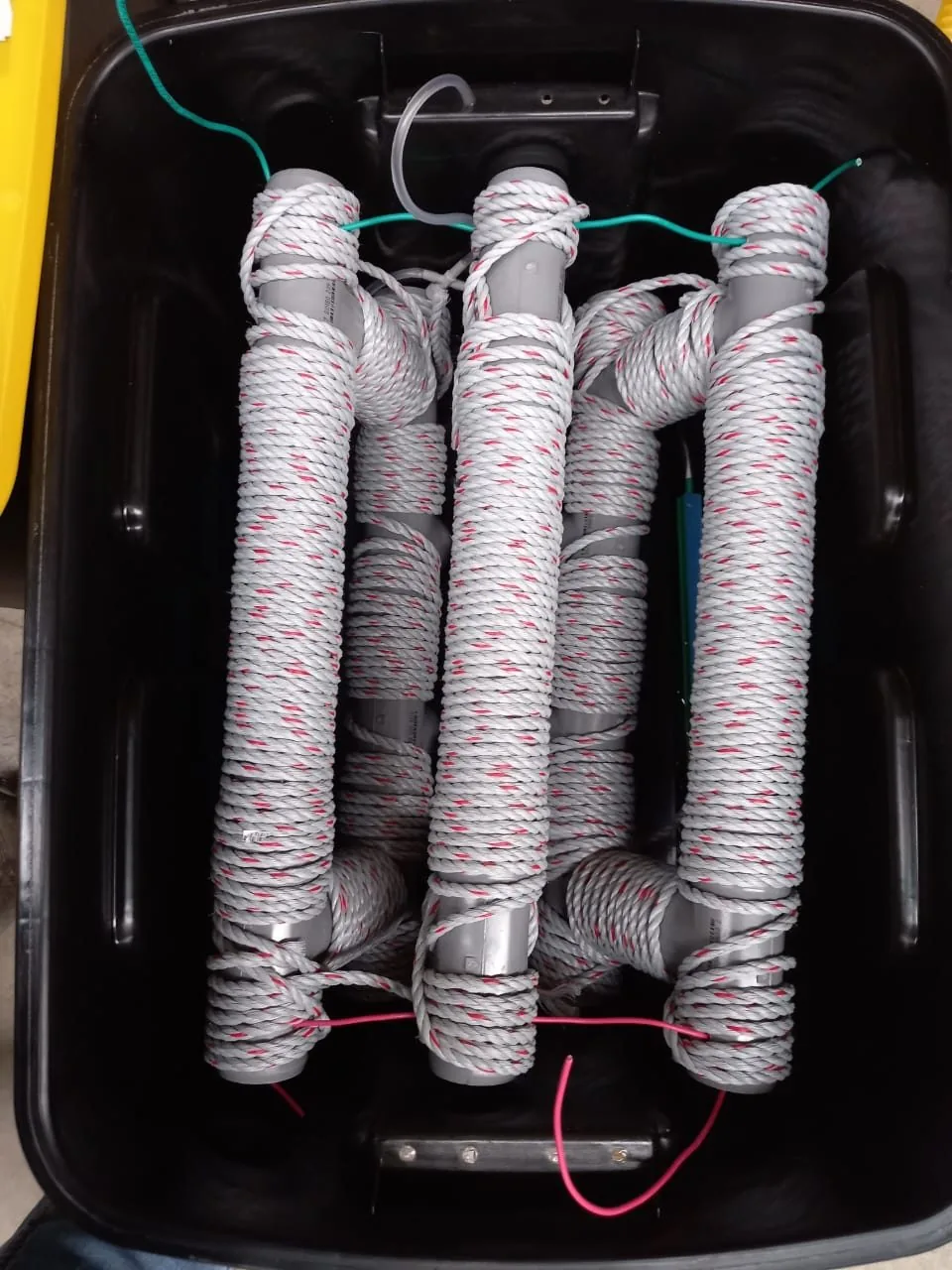
First version of the hatchery: Rope wound around PVC pipes, ready to be seeded.
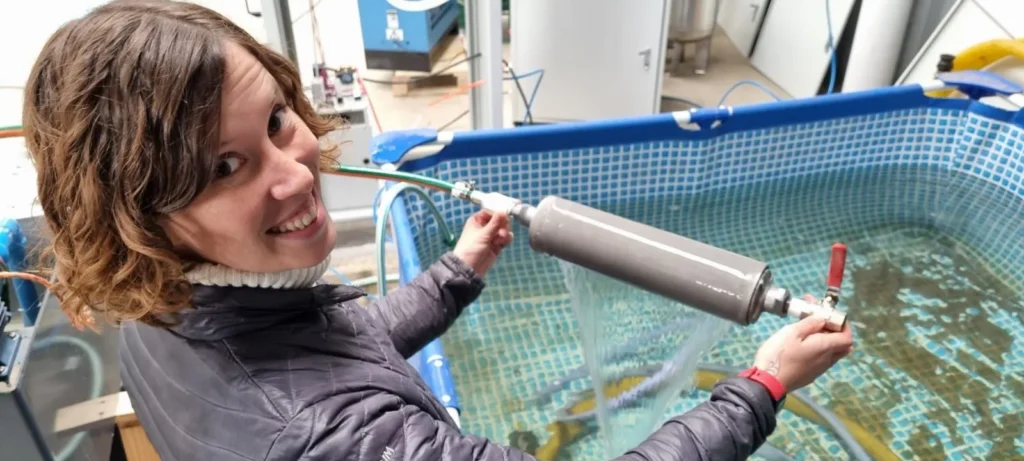
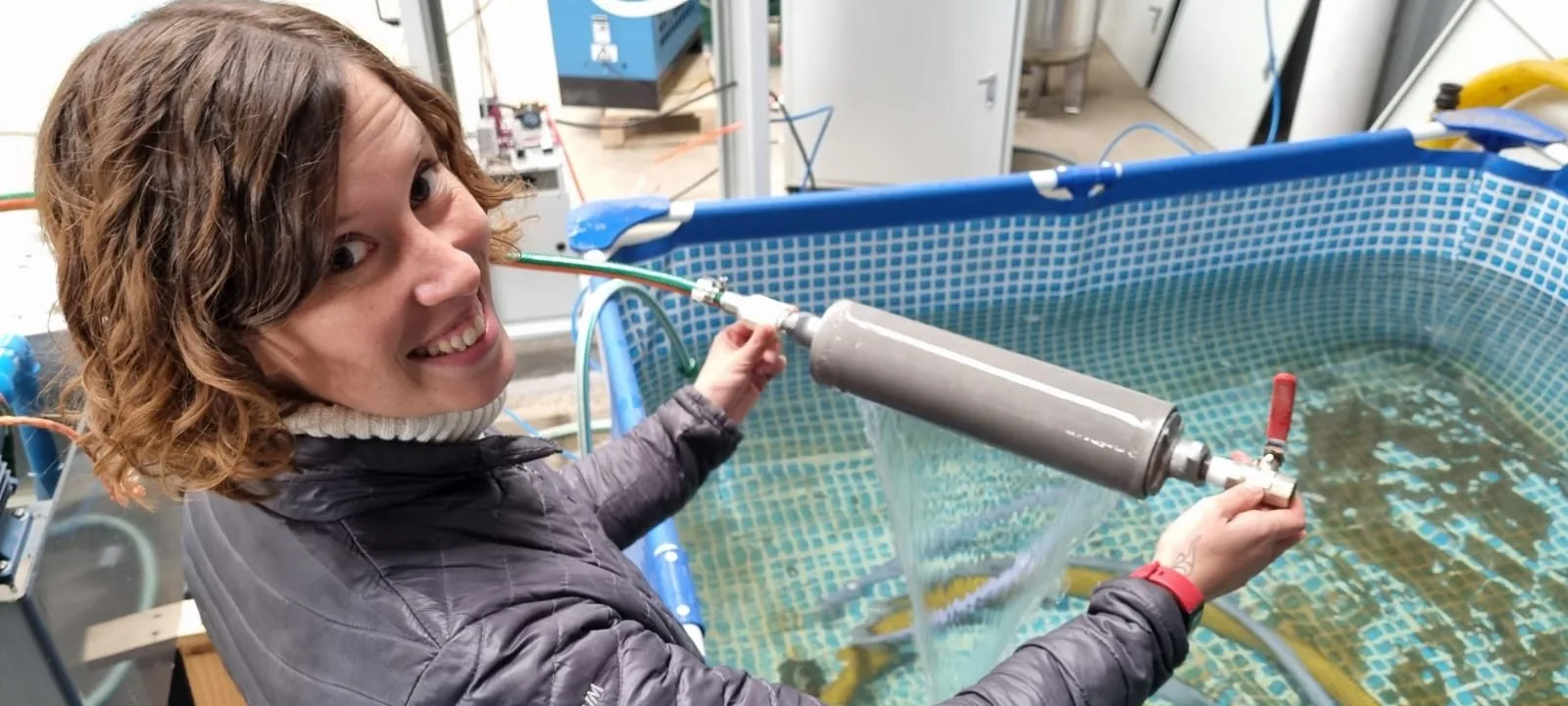
The hatchery up and running: Filtering and filling the first culture tanks.
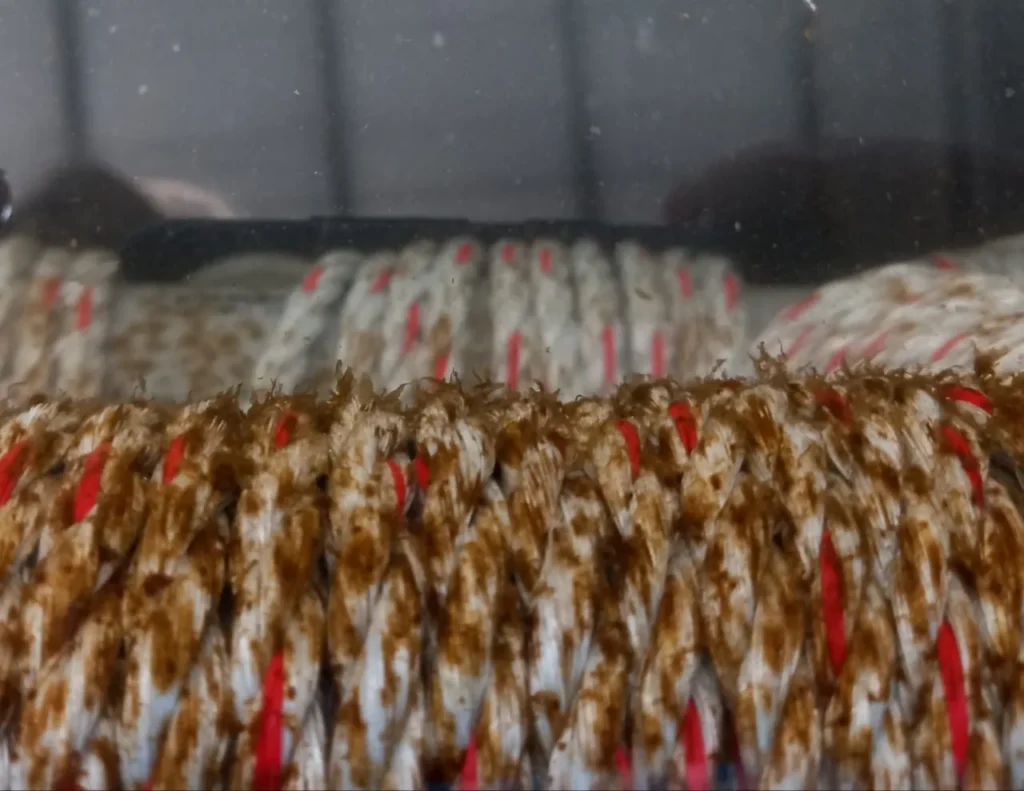
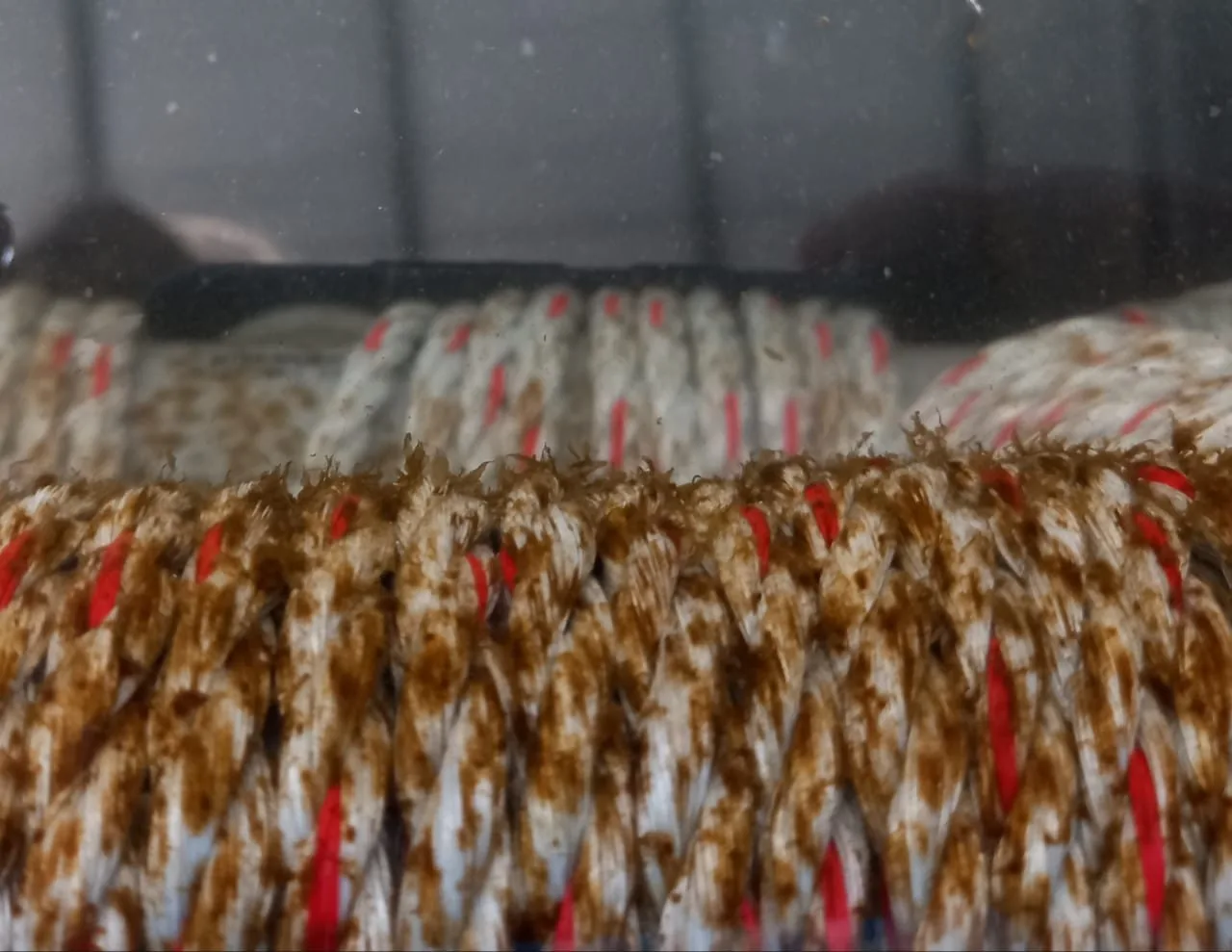
First seedlings on the spool: Macrocystis seedlings attached to the line, ready for the sea.
-
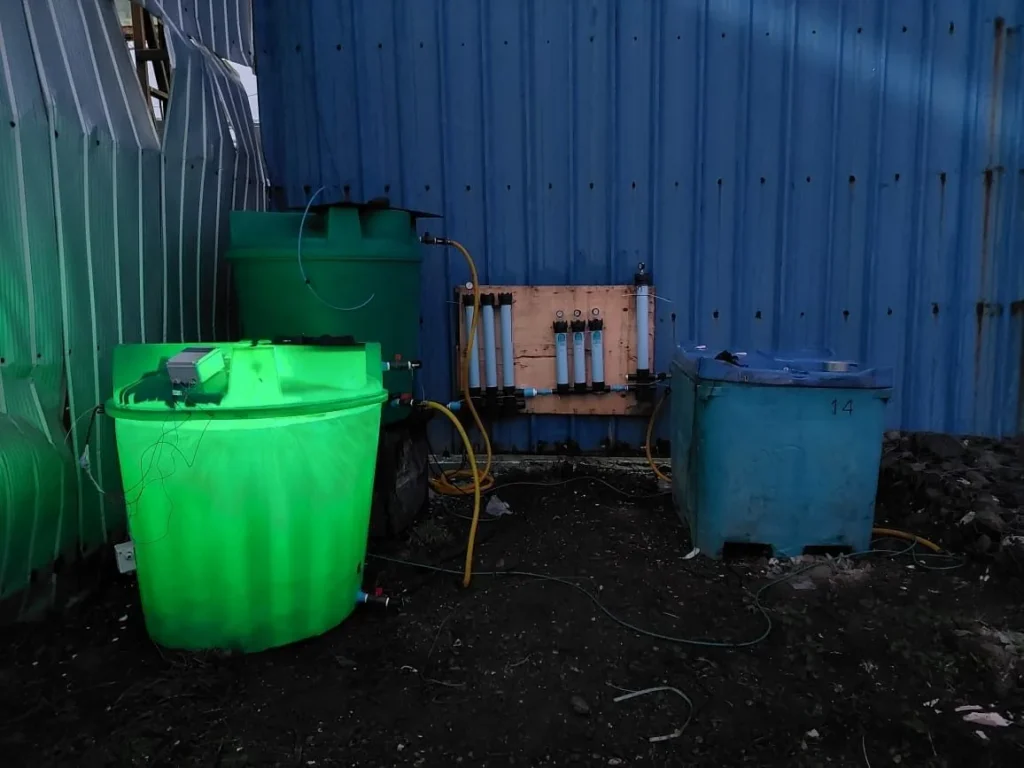
2022
The hatchery connects to the sea and our first crops arrive
We scaled up to a real hatchery: connected directly to seawater, with photoperiod control and a filtration system.
That leap gave us our own seed, traceable from the spore. With it we grew our first complete crops and, months later, harvested our first farmed Macrocystis.
Data, results and photos from 2022
- Hatchery
- Second generation
- Environmental control
- Photoperiod and filtration
- At sea
- First full farming cycle
- Commercial
- First biomass sales
Results
- Second-generation hatchery in operation, connected to seawater, with controlled photoperiod and filtration.
- Our own seed, traceable from the spore, with no need to collect wild material every cycle.
- First full farming cycle at sea using hatchery-grown seedlings.
- First harvests of farmed (not wild-harvested) Macrocystis pyrifera.
- First biomass sales: farming is no longer just an experiment.
Photos
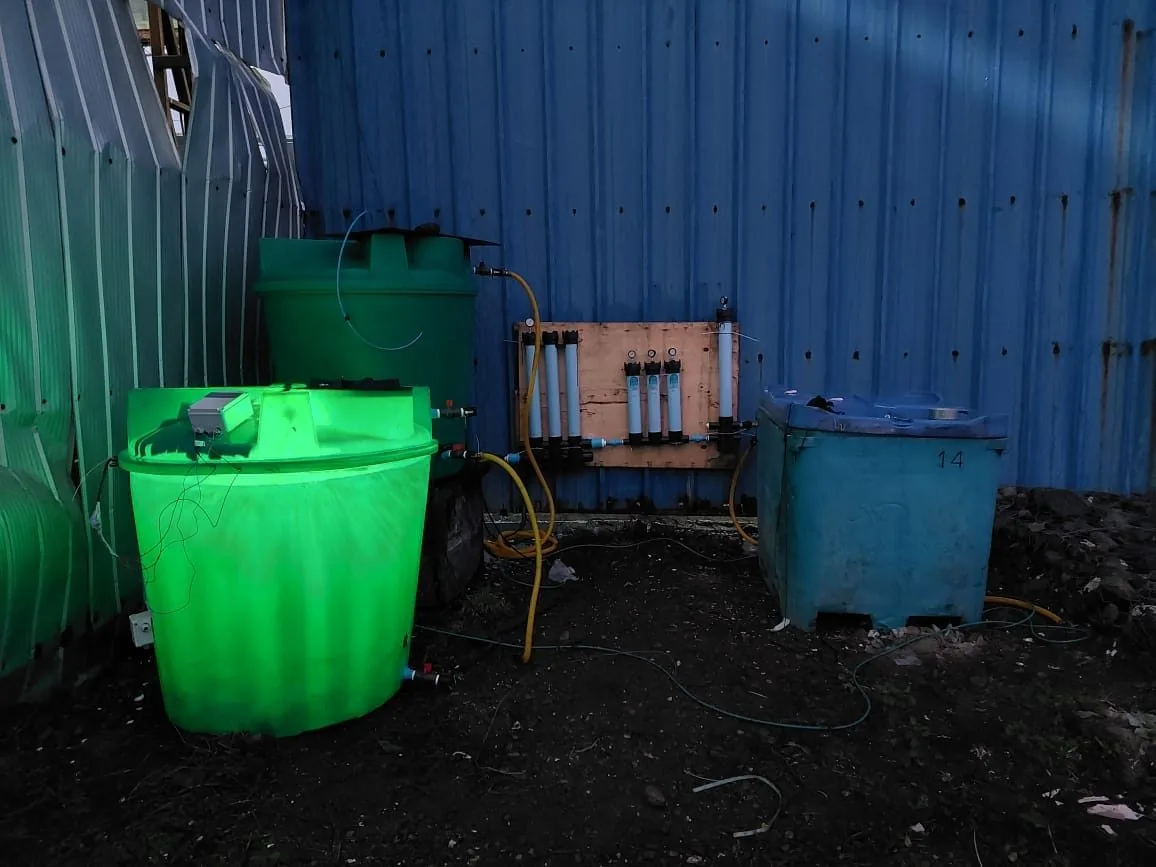
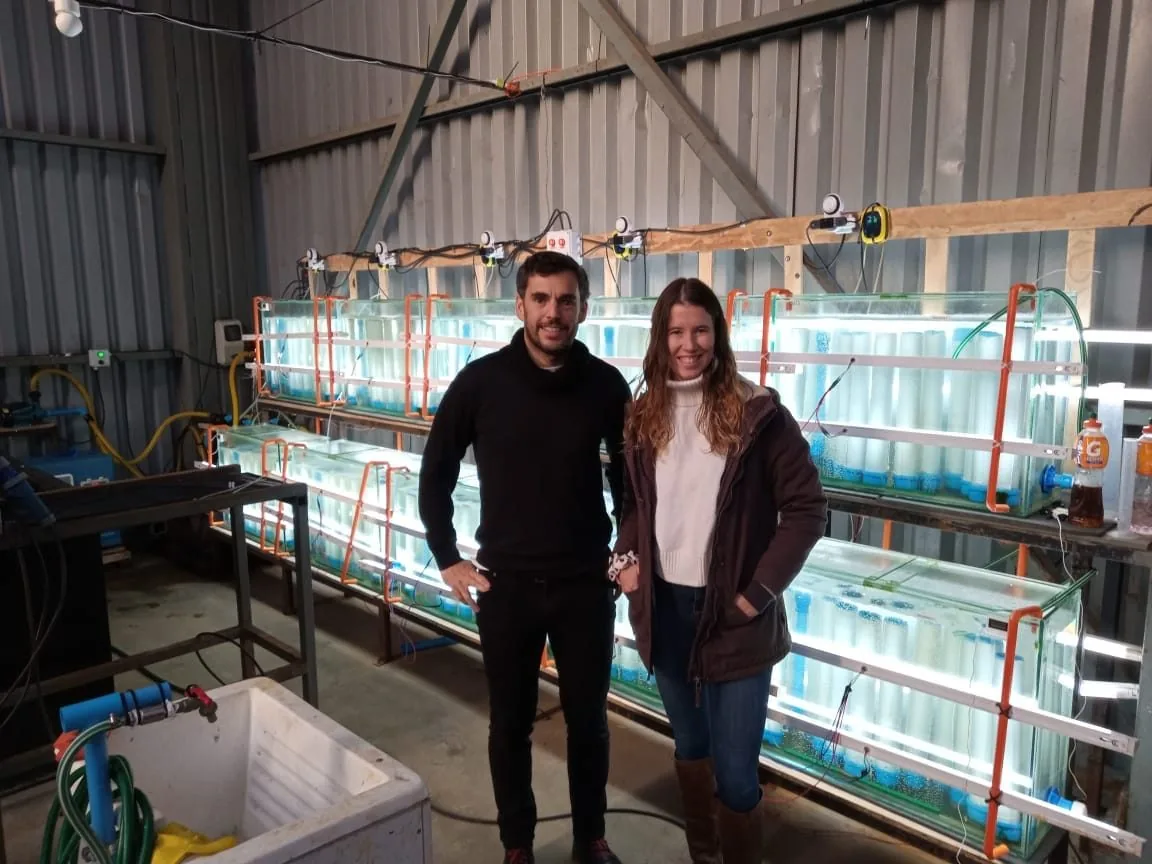
Seawater and filtration: The tanks and filter panel that made the leap possible.
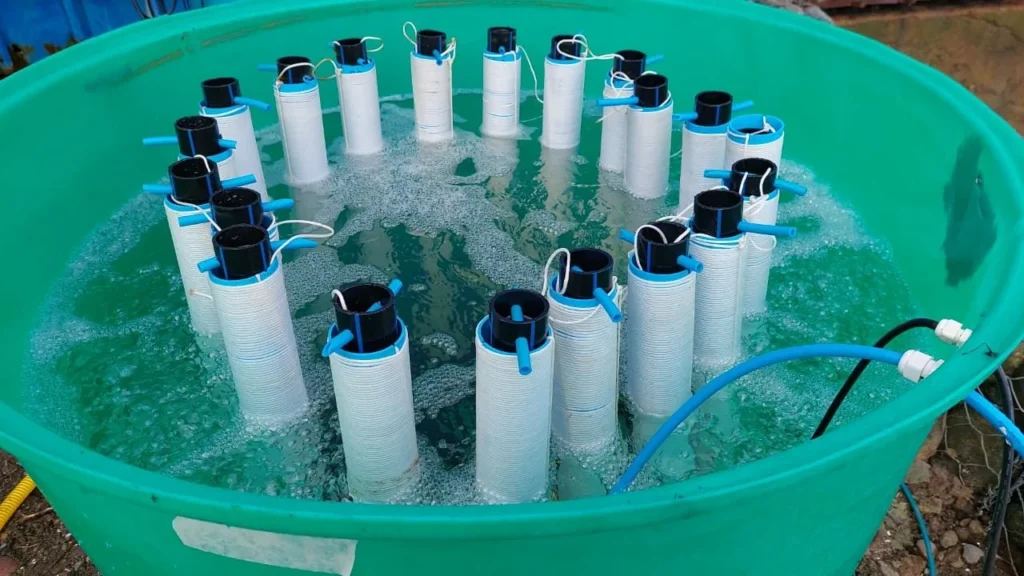
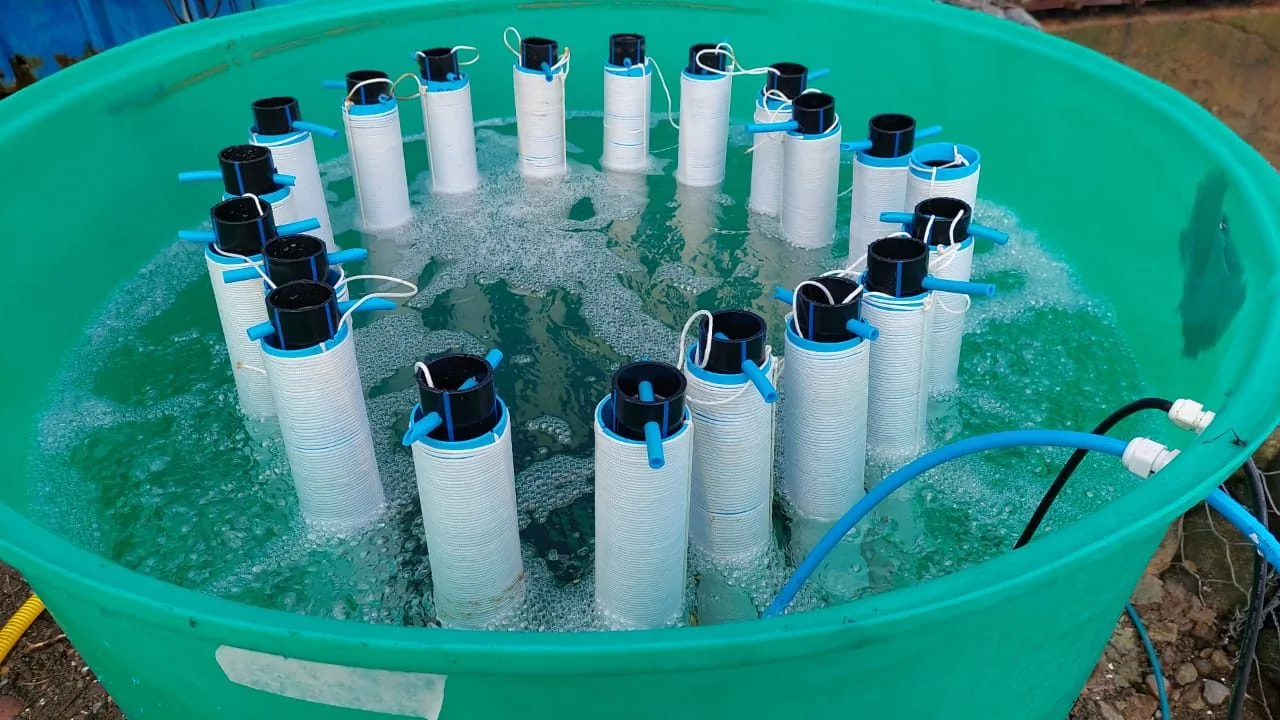
Spools in the tank: Seeded spools growing in the hatchery, with aeration.
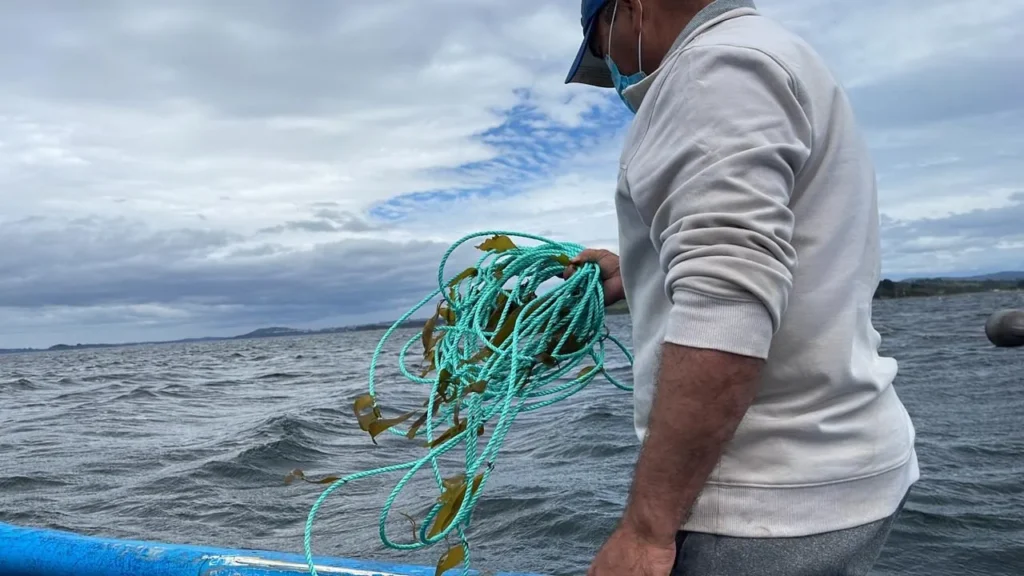
Seeding at sea: A grow line with attached seedlings, ready to deploy.
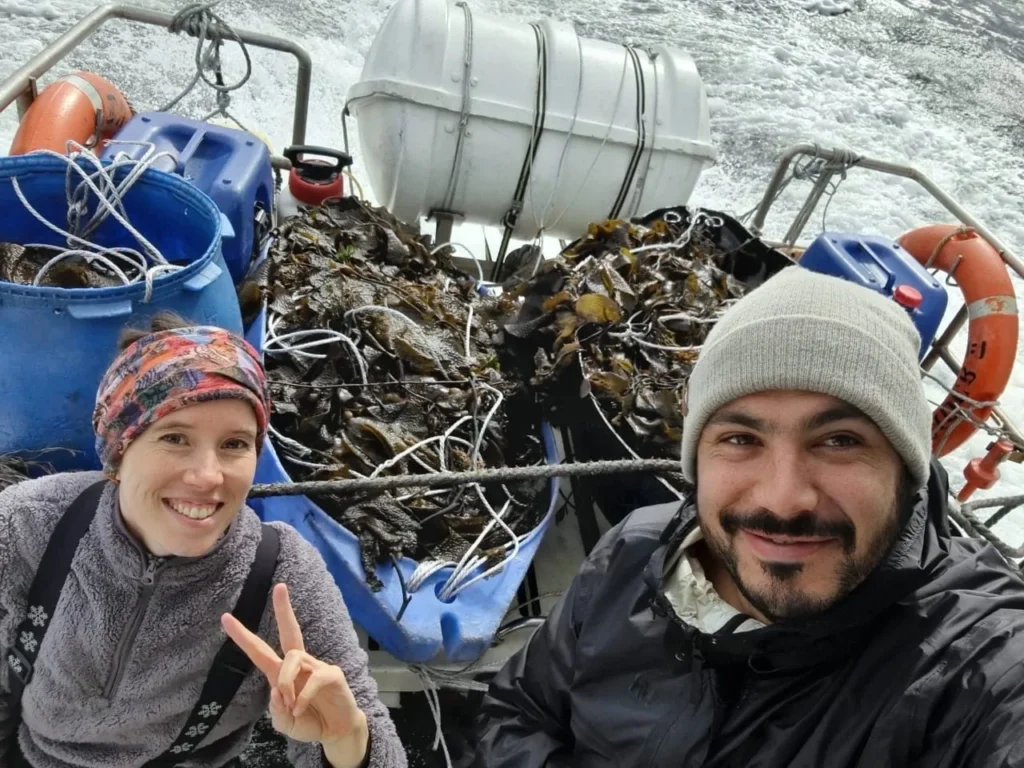
First crops from seedlings: Kelp grown from our own seed, back at the dock.
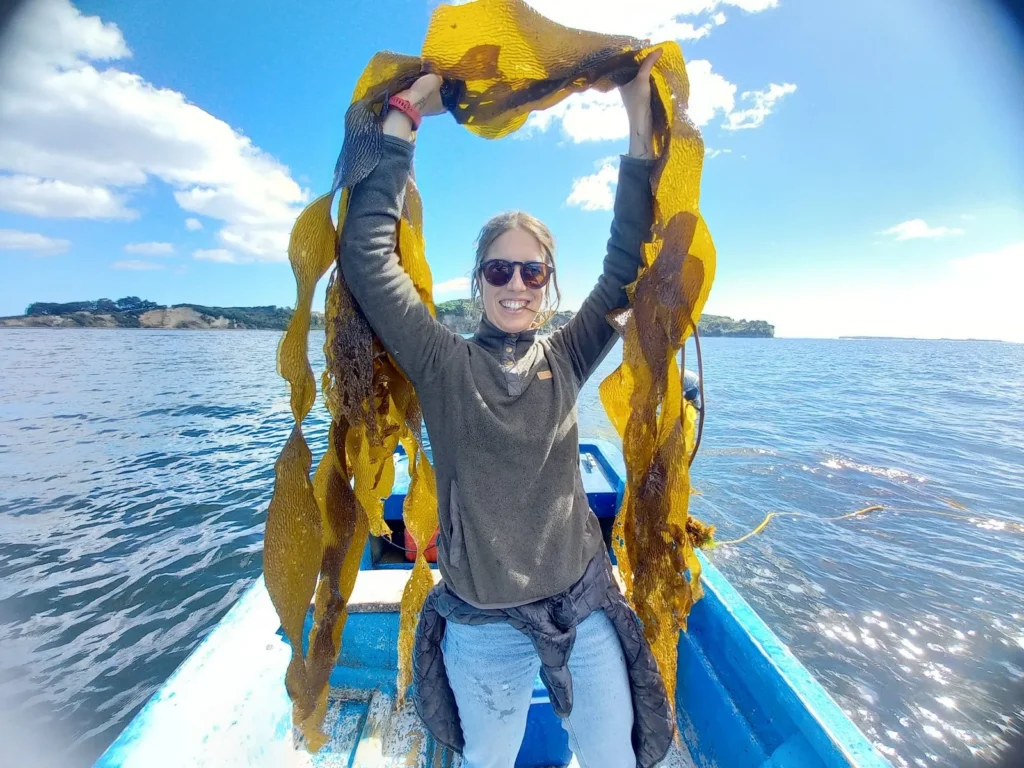
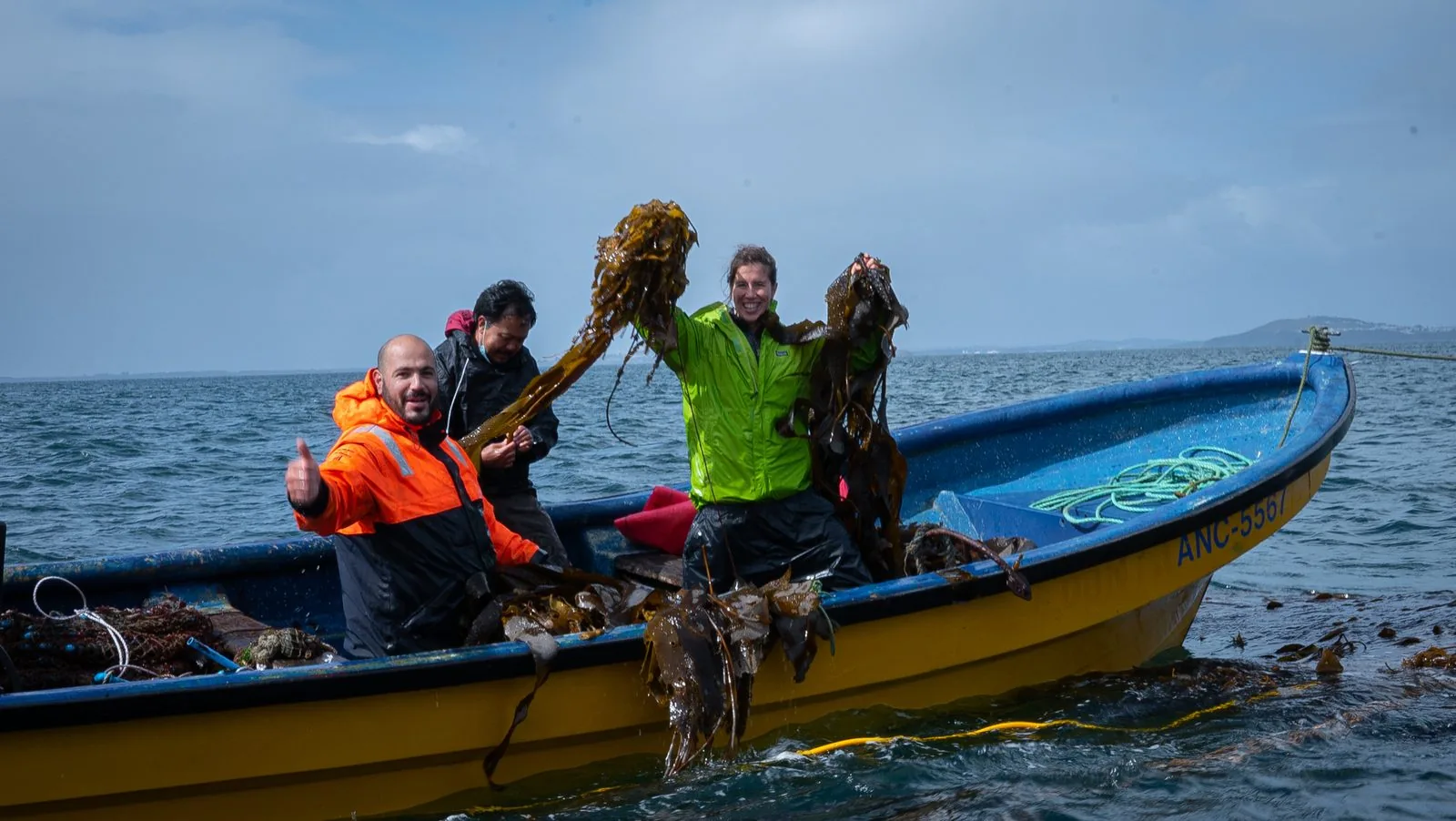
A whole plant: Macrocystis farmed from start to finish, hoisted onto the boat.
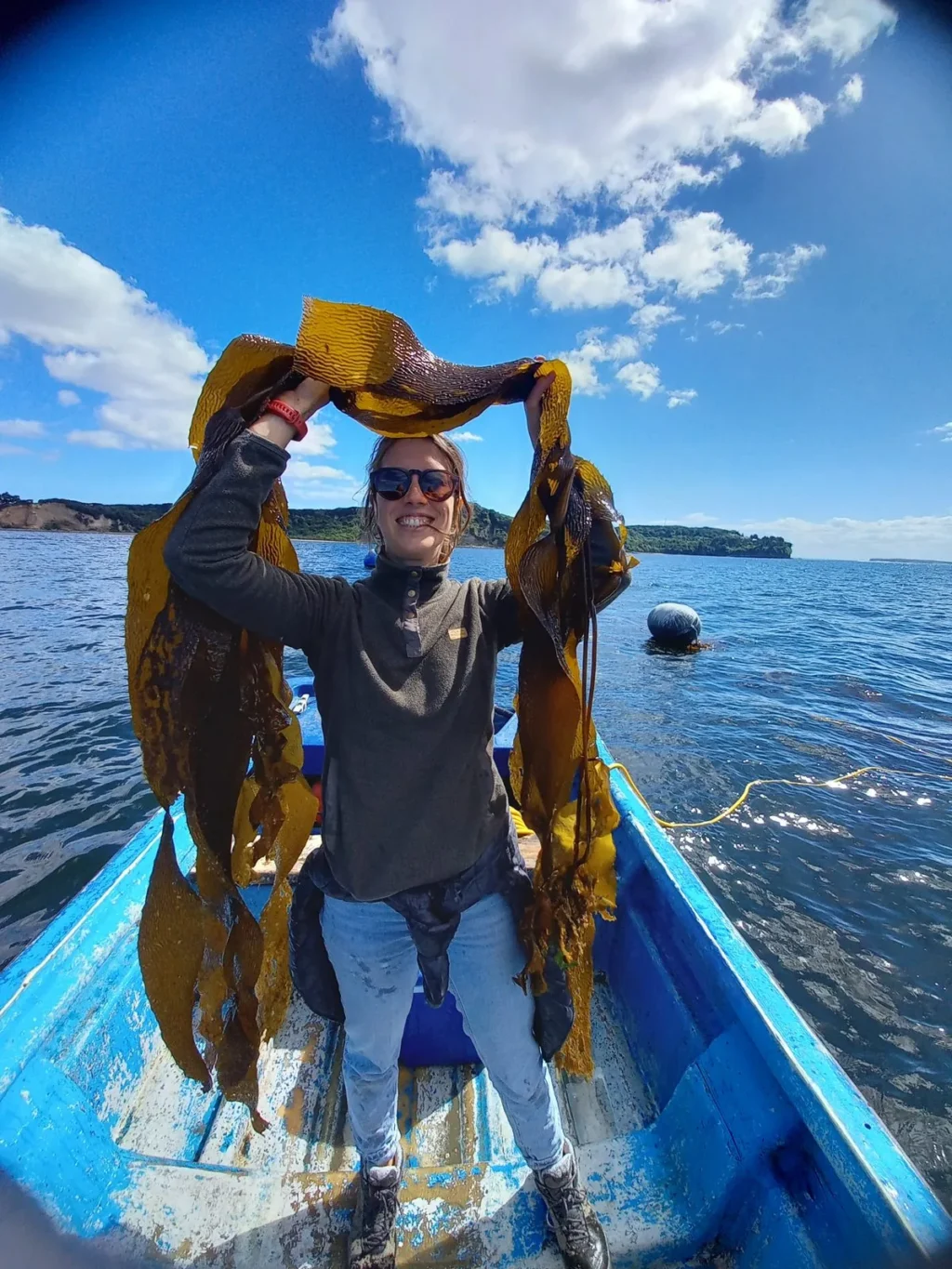
The length of the crop: The same plant, end to end.
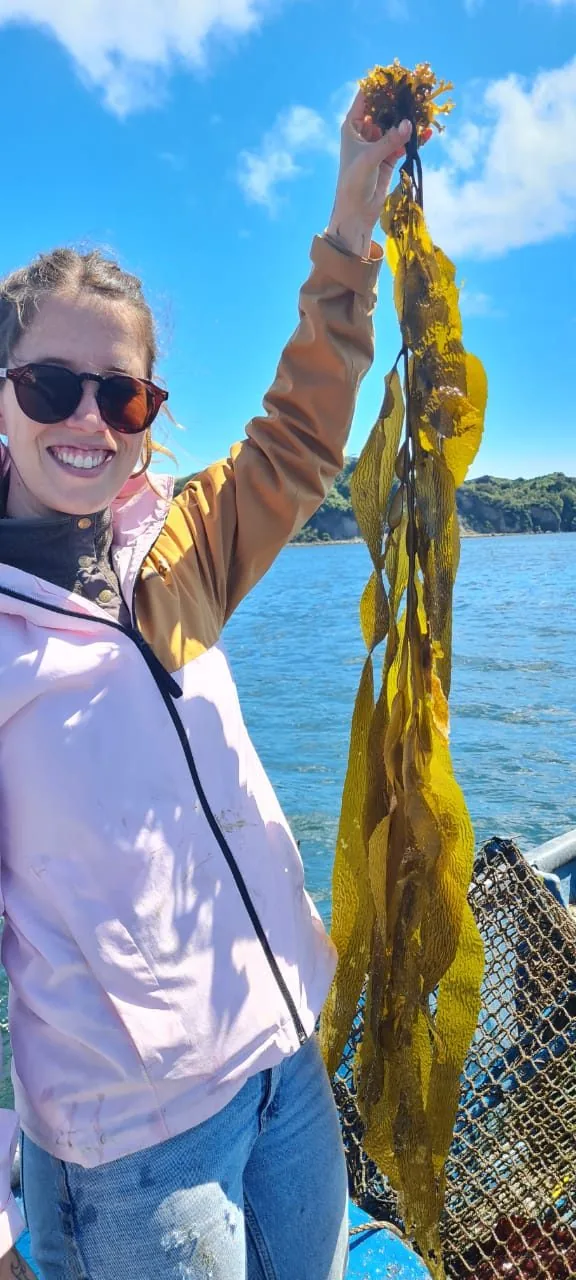
Harvested frond: Fresh out of the water, in the first season.
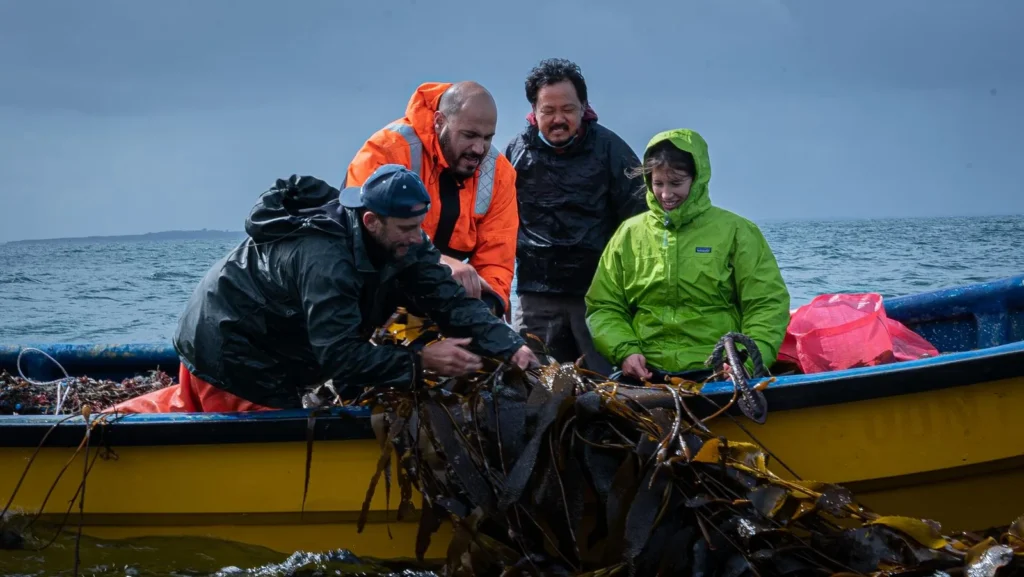
First harvest, on board: The team hauling farmed kelp up from the line.
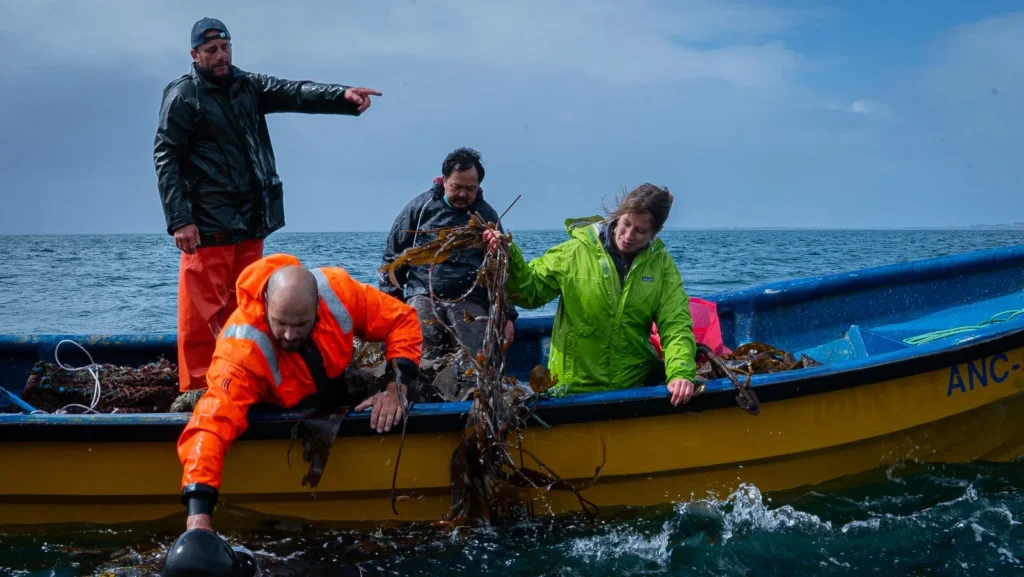
The first harvest in hand: The result of a full cycle from the spore.
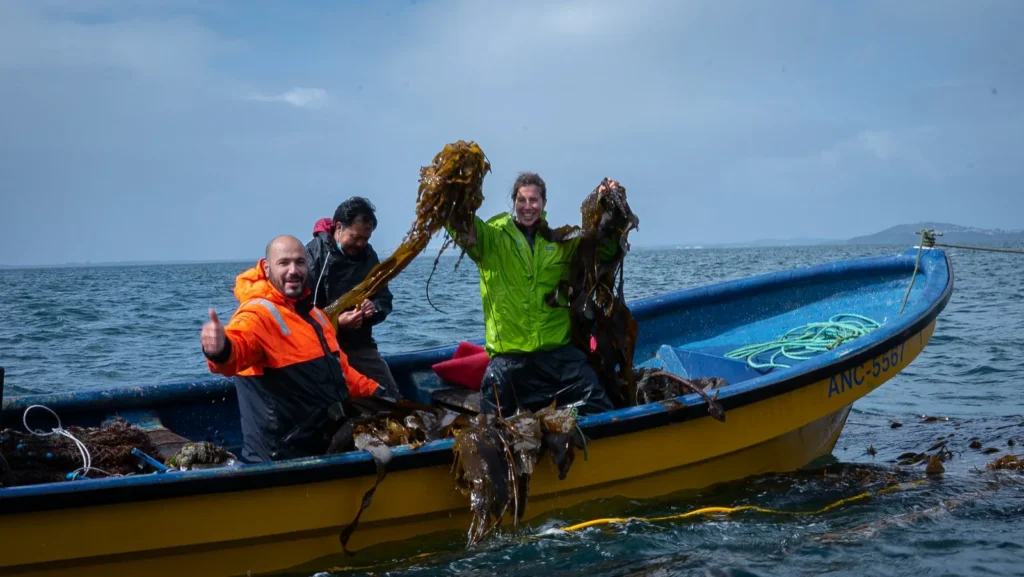
Harvesting in the water: Harvest work on the grow line.
-
2023
The project becomes a program
We took the hatchery to the next scale. With that hatchery and our results at sea, we were awarded CORFO’s PTEC IPMAPY technology program.
That year we began working with Hortimare to co-develop our hatchery; today they are co-implementers of the CORFO program.
We also signed our first long-term commercial agreement with Patagonia Biotecnología (PatBio): a memorandum of understanding on July 25 and a concession lease agreement on October 12, which gave us farming area and a buyer for our biomass.
Up to this point, there were only three of us working at Huiro.
Data, results and photos from 2023
- Funding
- PTEC IPMAPY (CORFO), 2023–2029
- Technical partnership
- Hortimare, CORFO co-implementer
- Commercial
- PatBio agreement signed
- Team
- 3 people
Results
- Awarded CORFO’s PTEC IPMAPY: a six-year technology program (2023–2029) with committed funding of CLP 3 billion.
- Third-generation hatchery in operation.
- Partnership with Hortimare to co-develop the hatchery; they are now co-implementers of the CORFO program.
- First long-term commercial agreement signed with PatBio (MoU on July 25 and concession lease on October 12).
- Access to operational farming area and to a buyer with steady demand for our biomass.
- All of this was achieved by a team of three.
Photos
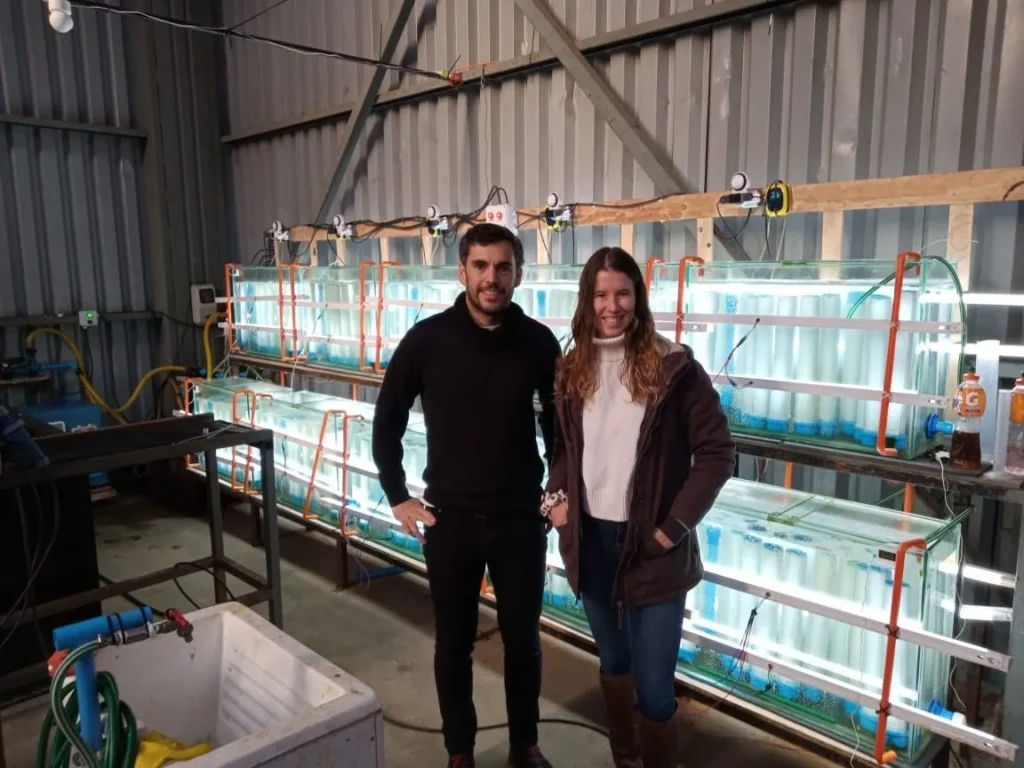
Third-scale hatchery: Racks of illuminated tanks in the hatchery shed.
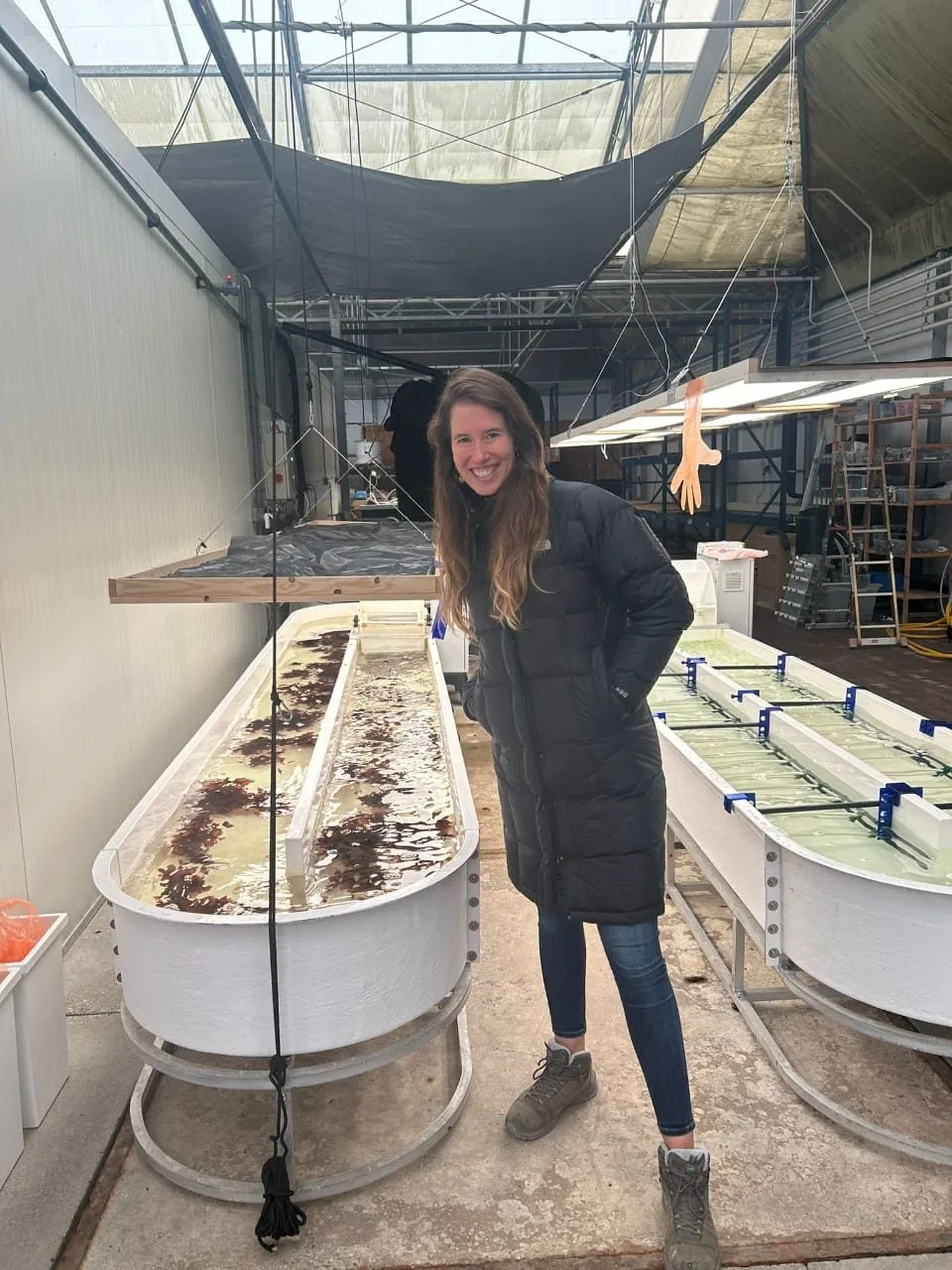
Co-development with Hortimare: Culture tanks during our joint work.
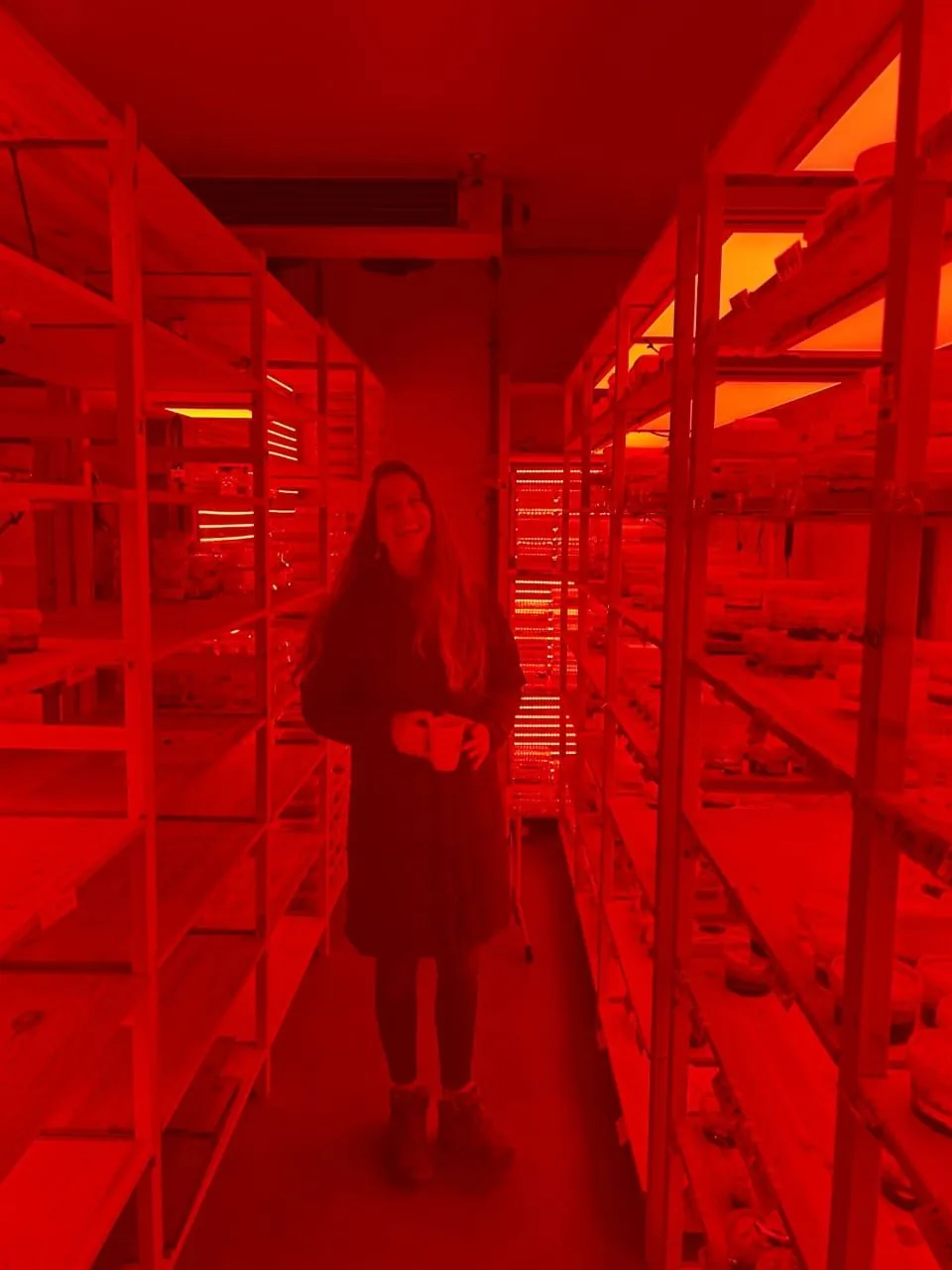
Strain bank: Cultures under red light during co-development.
-
2024
Our own office, a co-developed hatchery and our first 30 tonnes
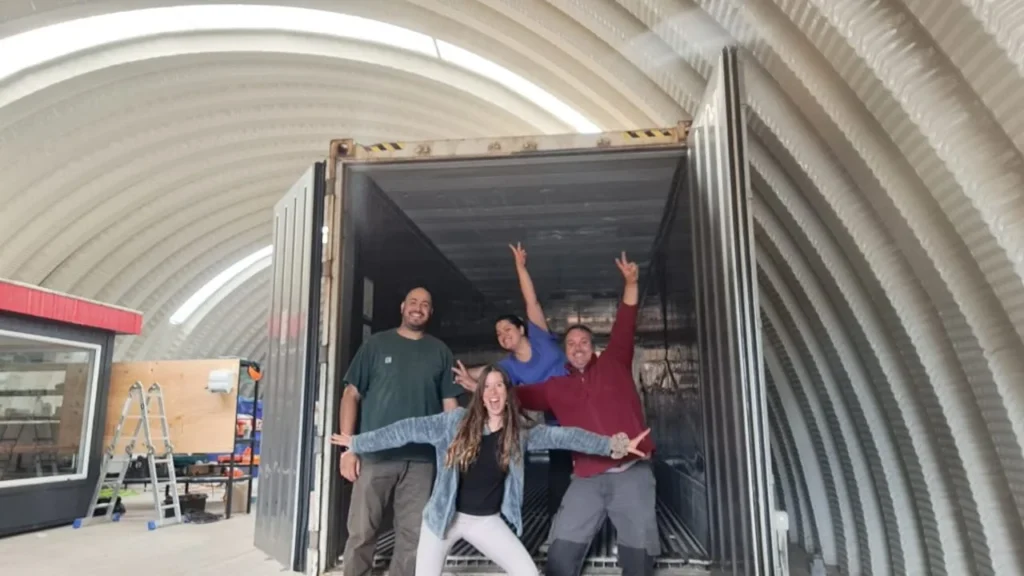
We moved into our first office and container of our own, and set up our first laboratory.
We launched our first professional-grade hatchery, co-developed with Hortimare, and saw its first results. That same year we opened a second hatchery at the Pontificia Universidad Católica de Chile’s Las Cruces Coastal Marine Station (ECIM), as technology transfer under PTEC IPMAPY.
Four people joined the team — in the hatchery, CORFO program management and sea farming — and we closed the year with our first successful harvests: 30 tonnes.
Data, results and photos from 2024
- Facilities
- First office and container of our own
- I+D
- Hatchery co-developed with Hortimare
- Technology transfer
- Second hatchery at ECIM Las Cruces (PUC)
- Laboratory
- First laboratory set up
- Team
- 7 people (+4)
- Production
- 30 tonnes
Results
- Our first office and container of our own: operations no longer depend on borrowed facilities.
- Our first in-house laboratory, equipped for culture control.
- First professional-grade hatchery up and running, co-developed with Hortimare, with its first production results.
- Second hatchery opened at ECIM Las Cruces (PUC) as PTEC IPMAPY technology transfer: the model is replicated beyond Huiro.
- First successful harvests: 30 tonnes of biomass.
- The team grows from 3 to 7 people and our first departments take shape: hatchery, CORFO management and farming.
Photos
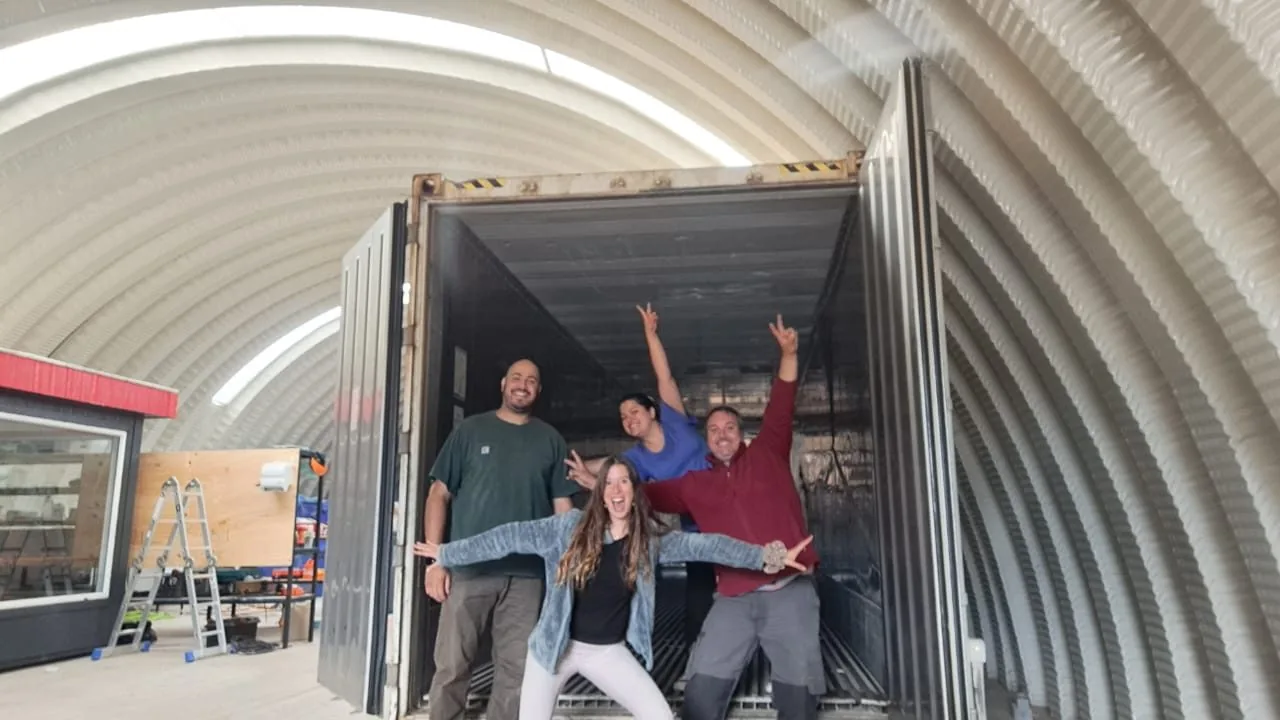
Our own container: The team on the day the container arrived.
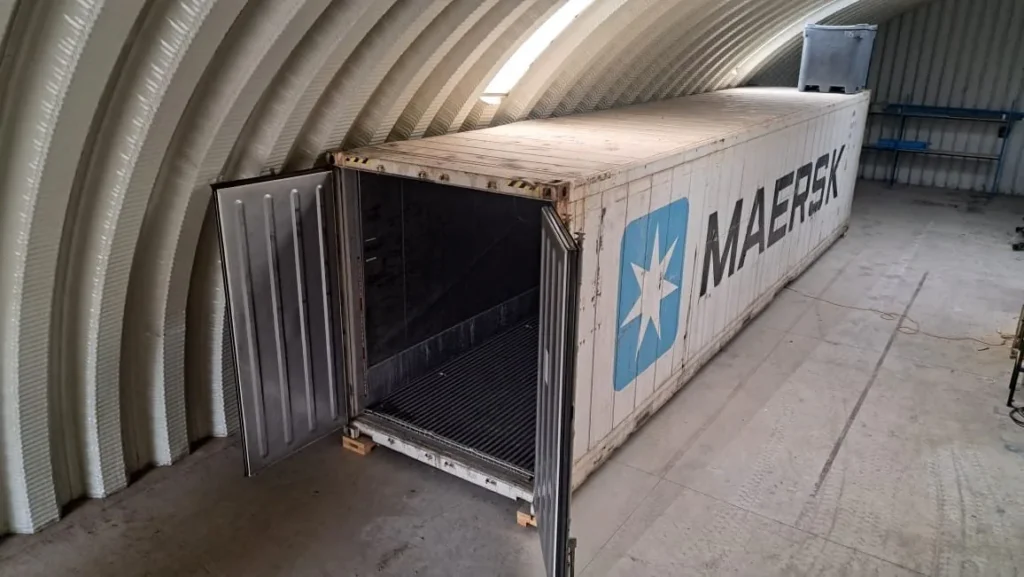
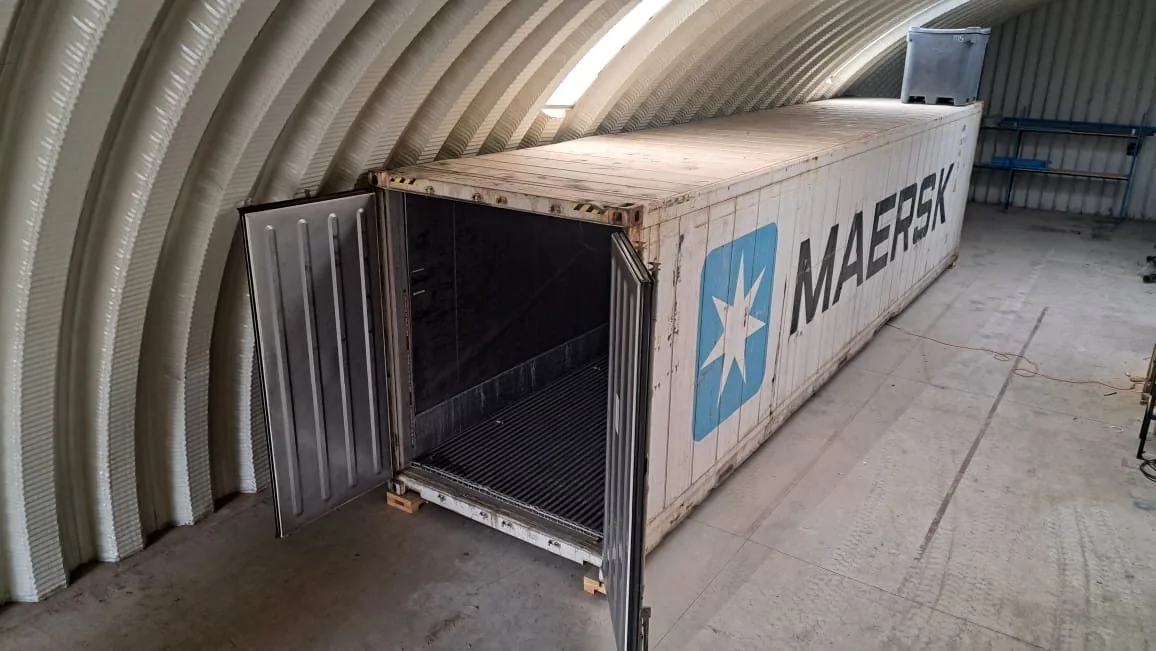
The starting point: The container before it was fitted out.
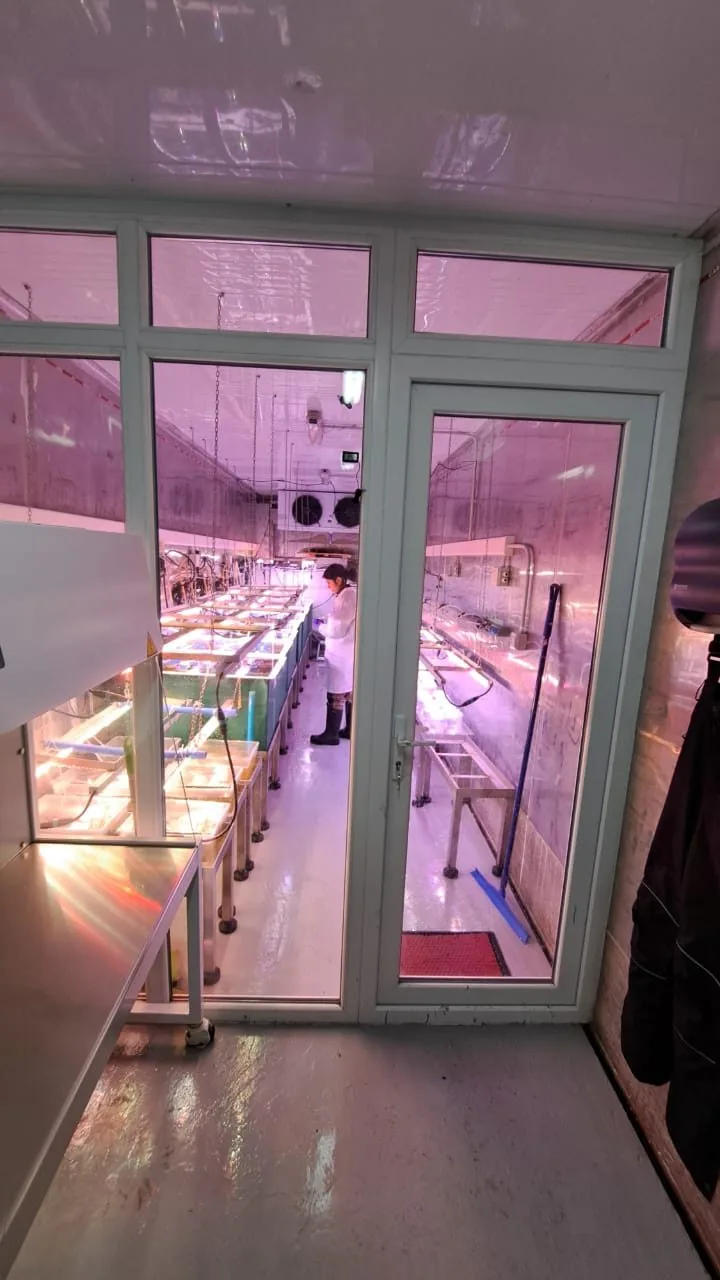
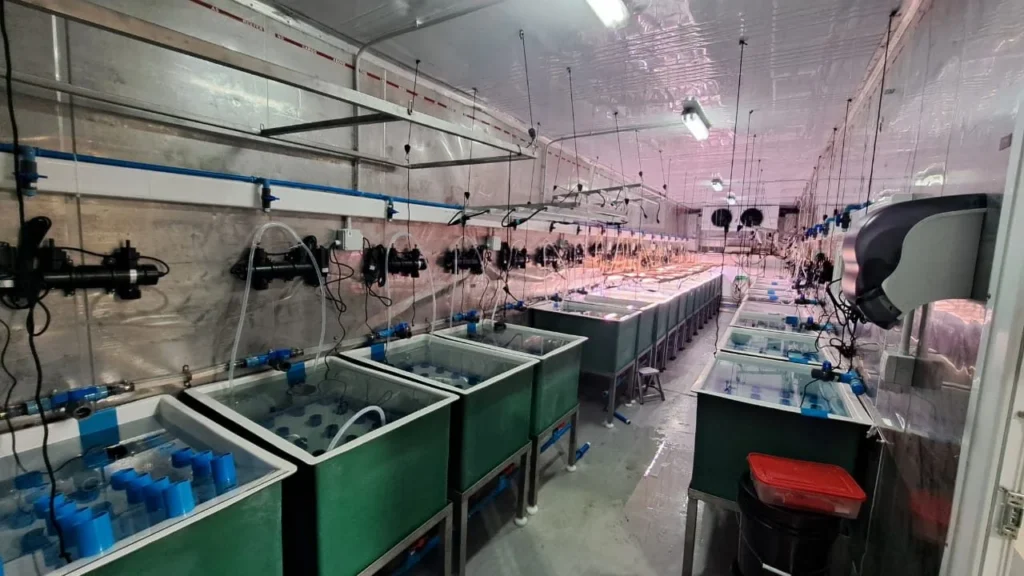
Professional-grade hatchery: The culture room of the hatchery co-developed with Hortimare.
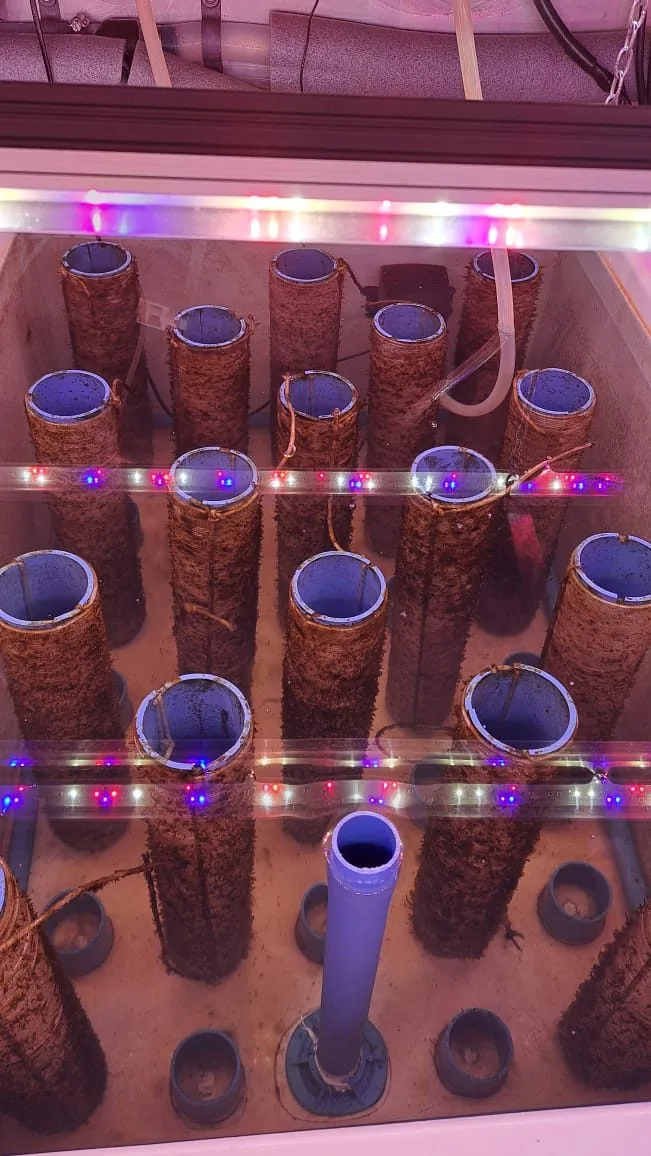
First results: Spools growing under controlled light.
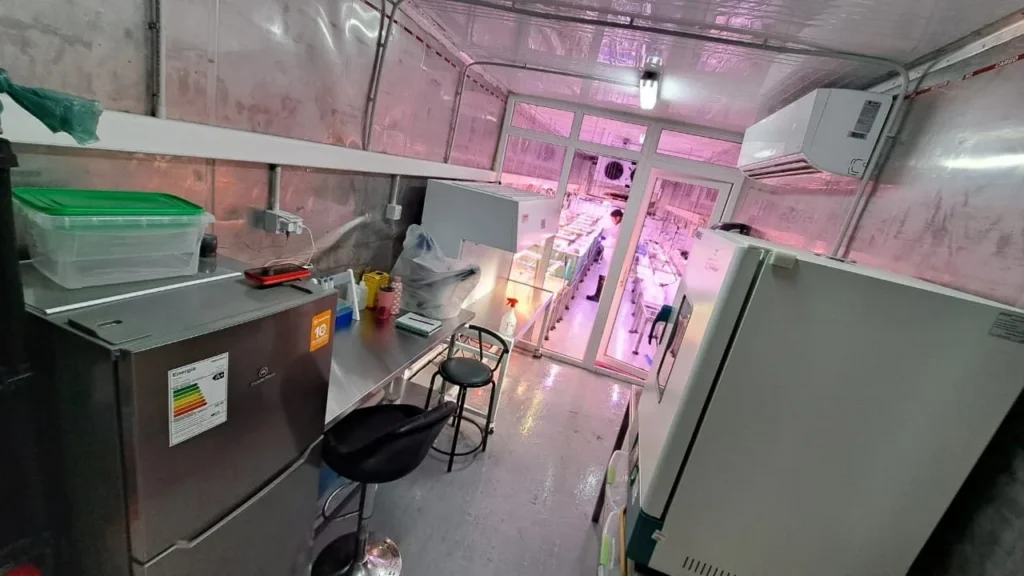
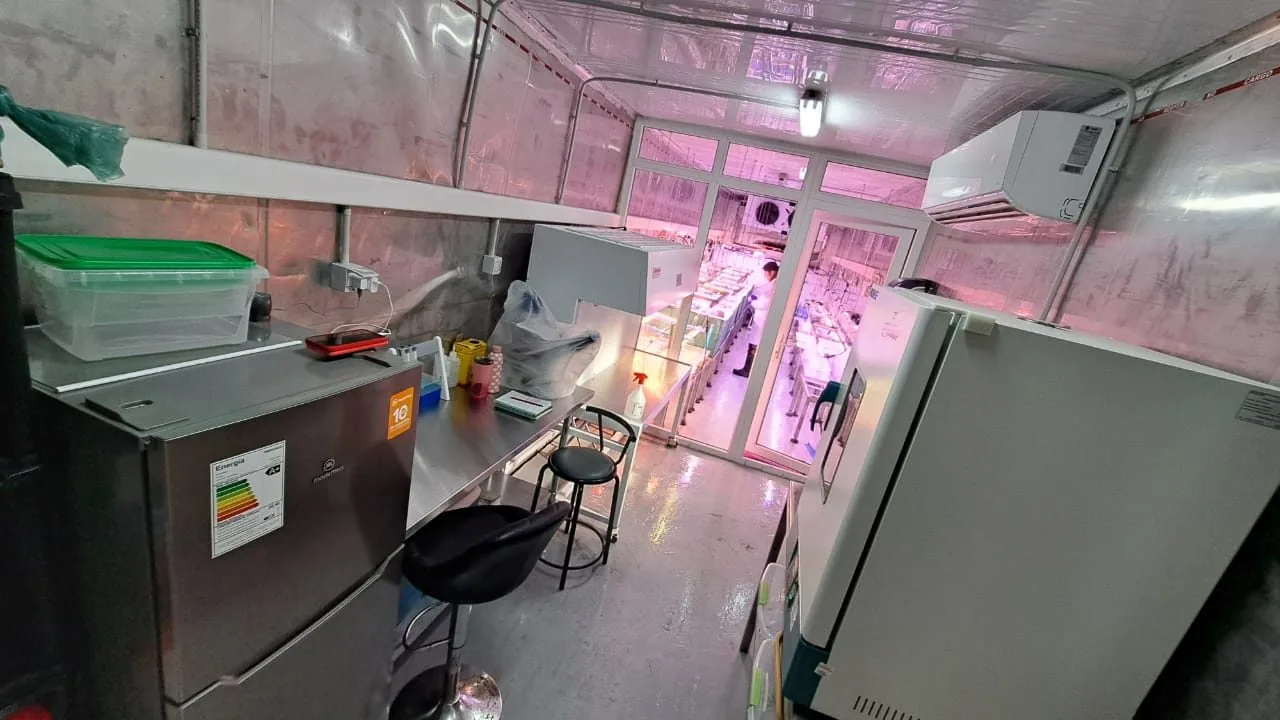
First laboratory: The hatchery’s anteroom, now with our own equipment.
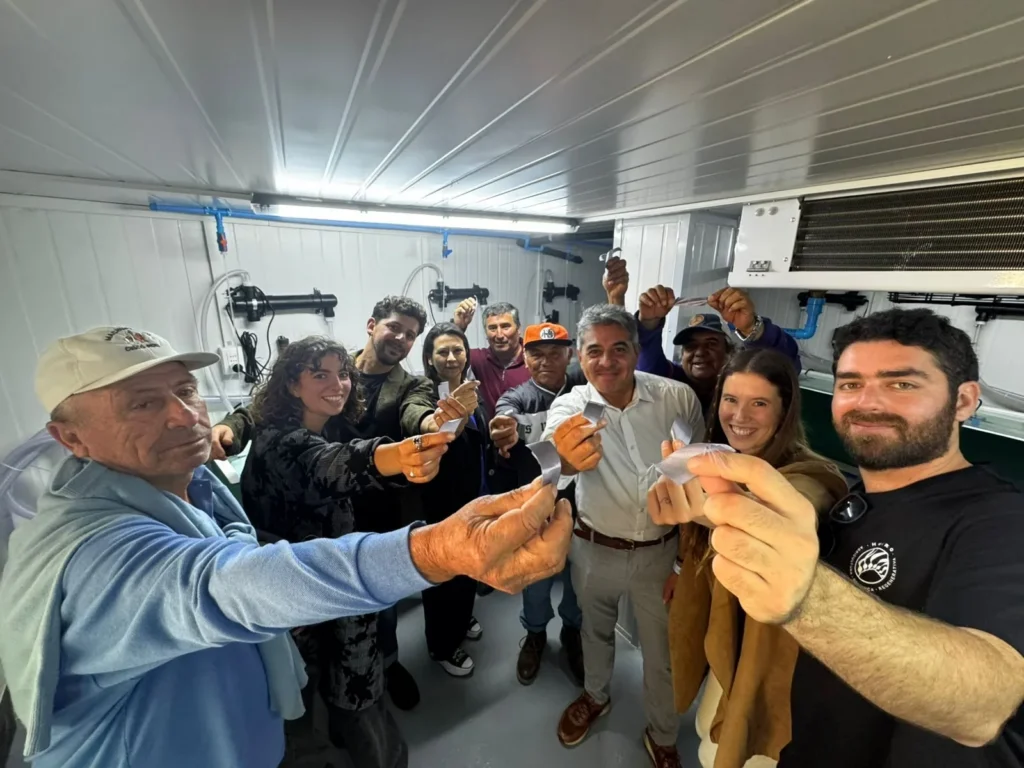
Second hatchery, ECIM Las Cruces: Opening and technology transfer under PTEC IPMAPY.
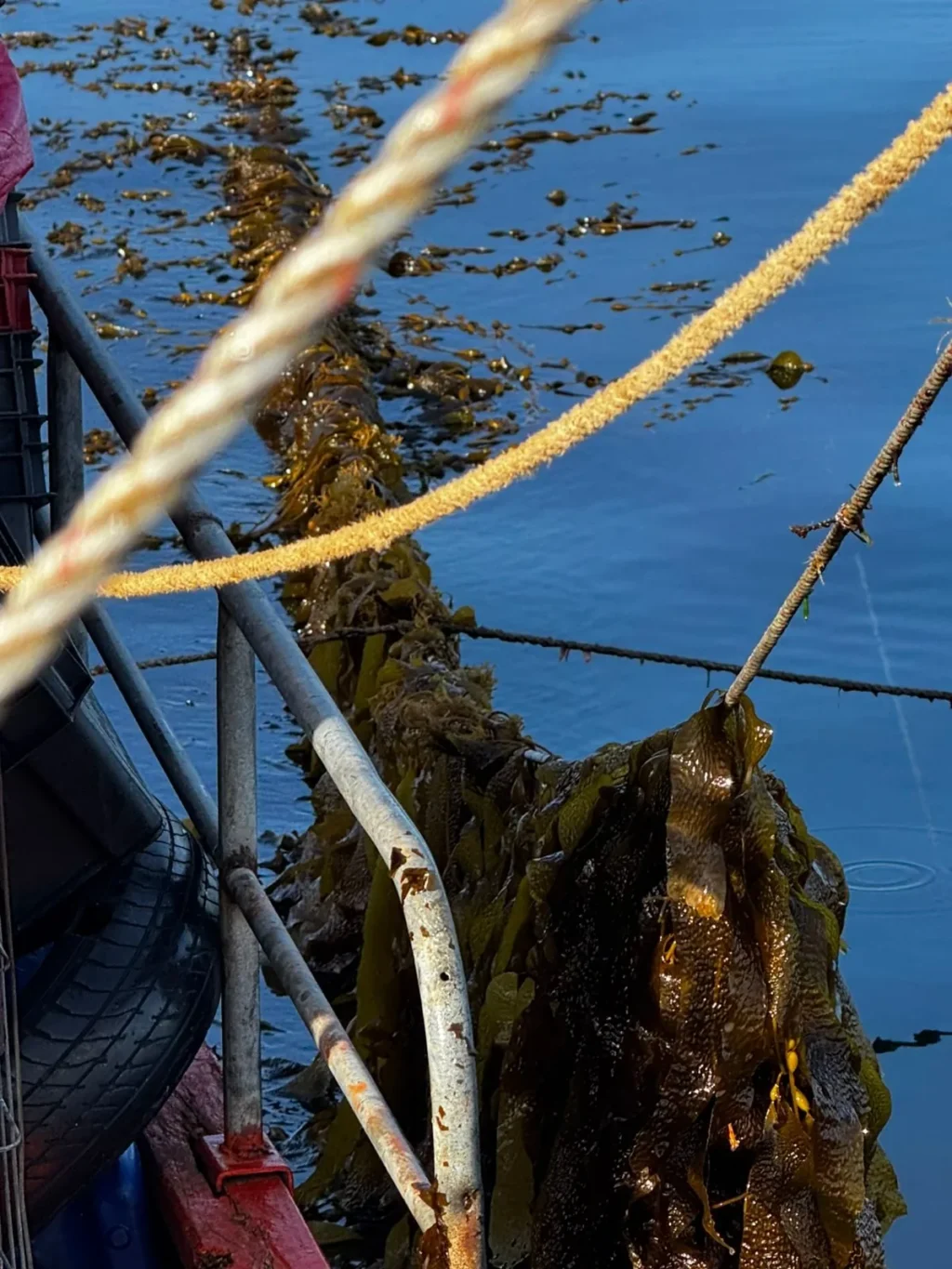
First successful harvests: The year closes with 30 tonnes.
-
2025
We tripled the hatchery, automated seeding and reached 60 tonnes
We scaled the hatchery to three times its capacity and expanded the laboratory as well.
We developed the first version of an automated seeding system, which replaces the manual work of deploying seed at sea, and took our farms to large scale. The year closed with harvests of 60 tonnes.
We traveled to Norway to learn how kelp is farmed and harvested there at mechanized scale. We came back with the ideas and know-how to build our own harvesting machine.
Data, results and photos from 2025
- Hatchery
- ×3 capacity
- Laboratory
- Expanded
- Technology
- Automated seeding, version 1
- Farming cycle
- 3 to 4 months
- Production
- 60 tonnes
- Technical benchmark
- Trip to Norway
Results
- Hatchery scaled to three times its capacity, with the laboratory expanded in parallel.
- First version of the automated seeding system designed, built and operating at sea.
- Farms taken to large scale, with standardized 3- to 4-month cycles.
- Production of 60 tonnes: double the previous year.
- Technical trip to Norway to study mechanized harvesting, the basis for designing our own harvester.
Photos
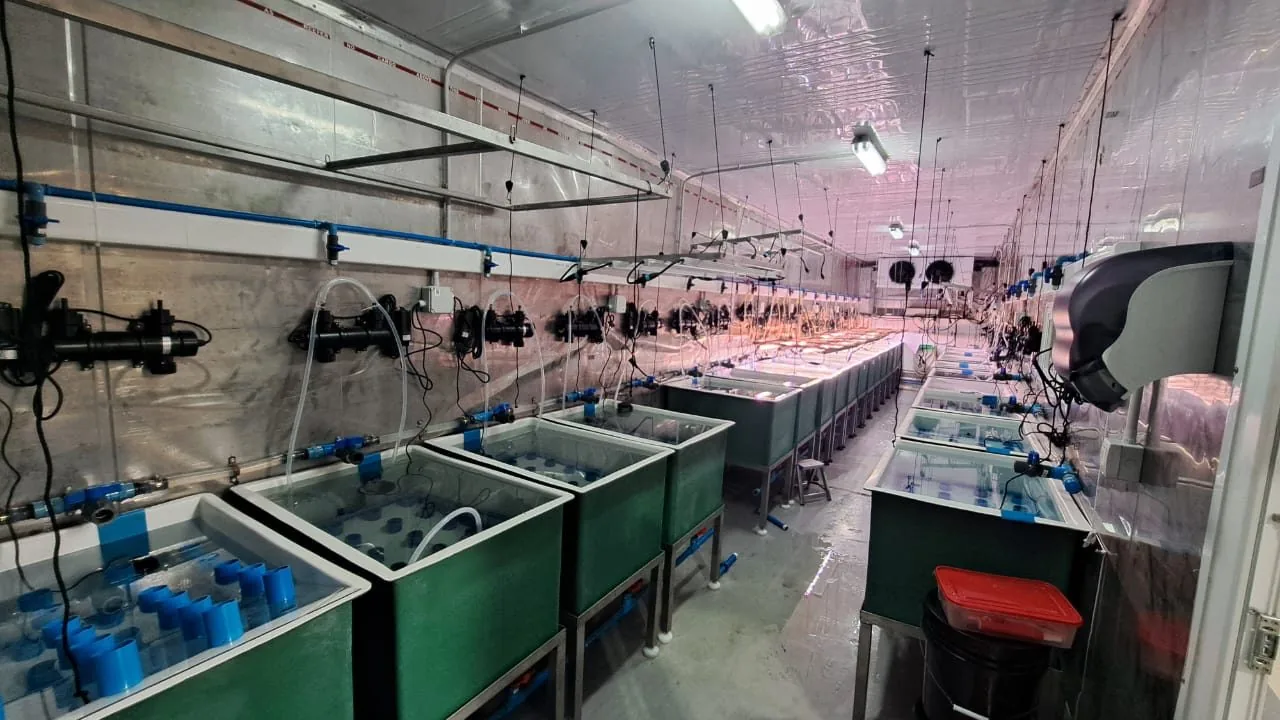
Hatchery ×3: Rows of tanks after the expansion.
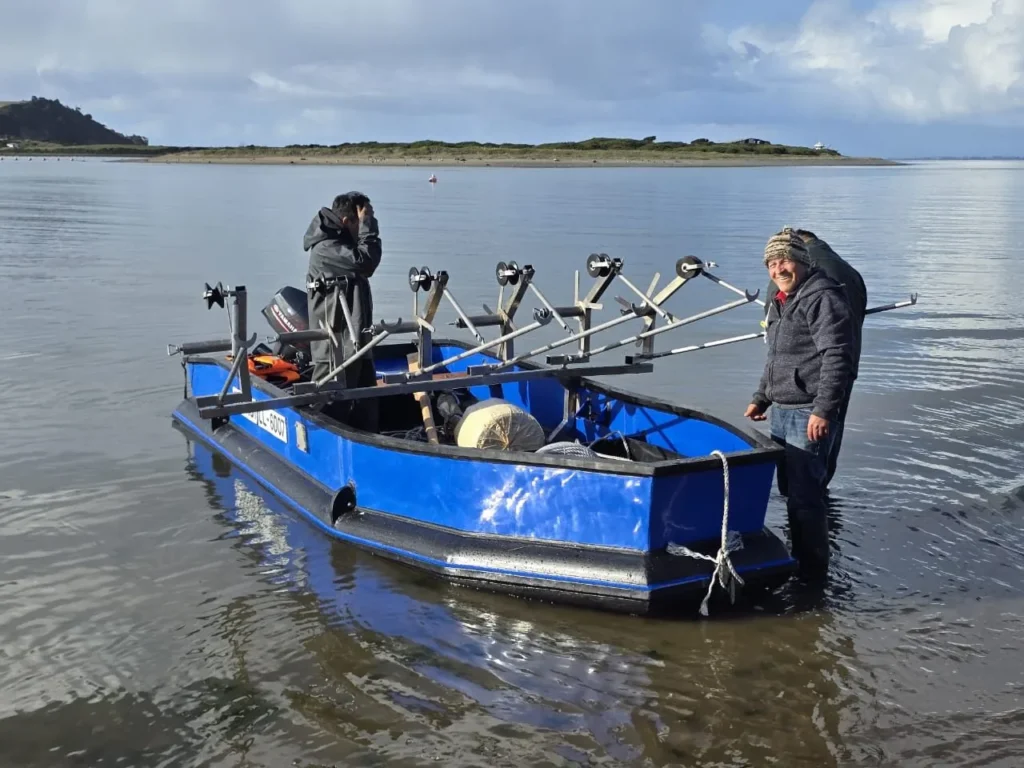
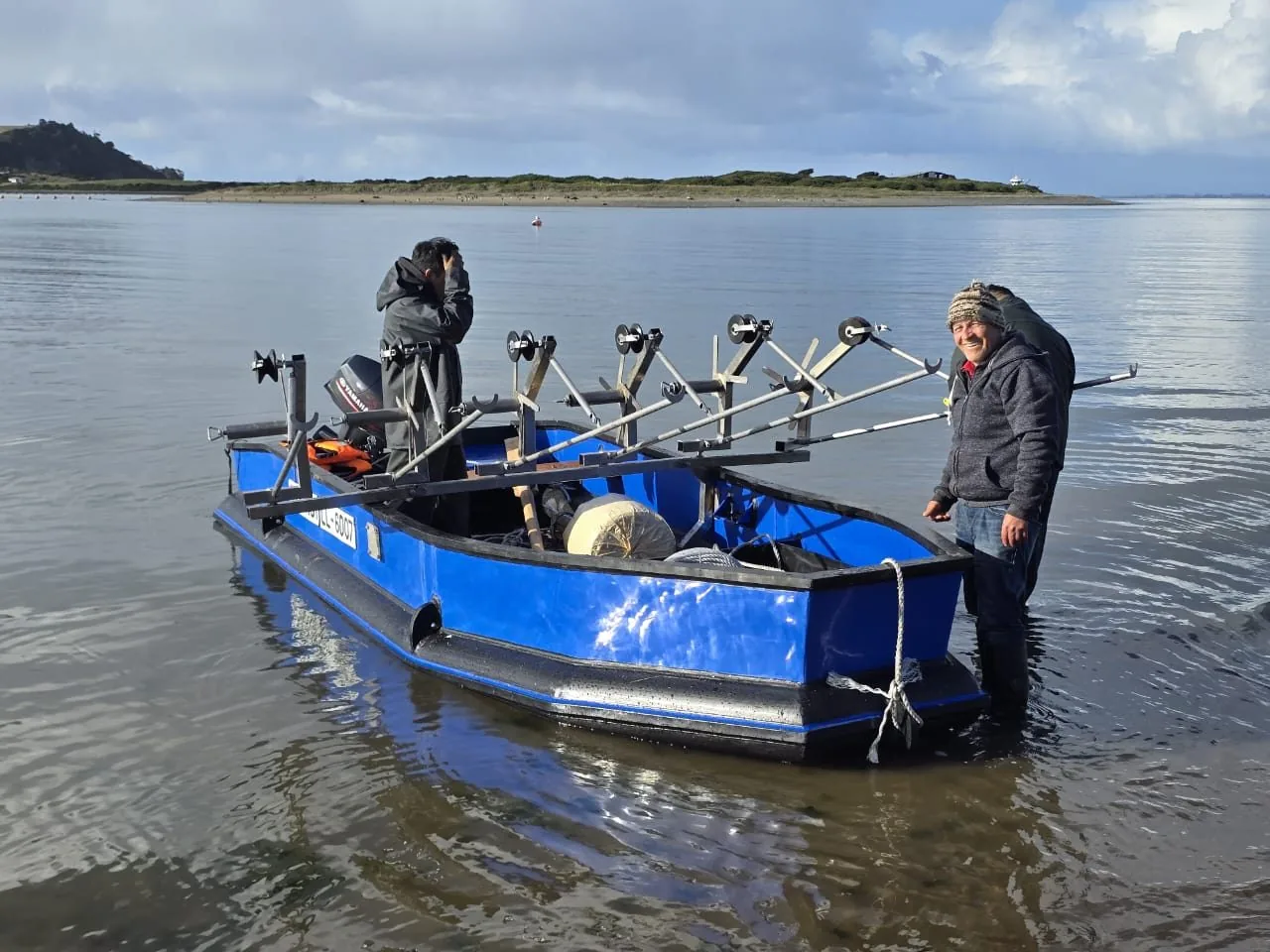
Automated seeding v1: The first frame mounted on the vessel.
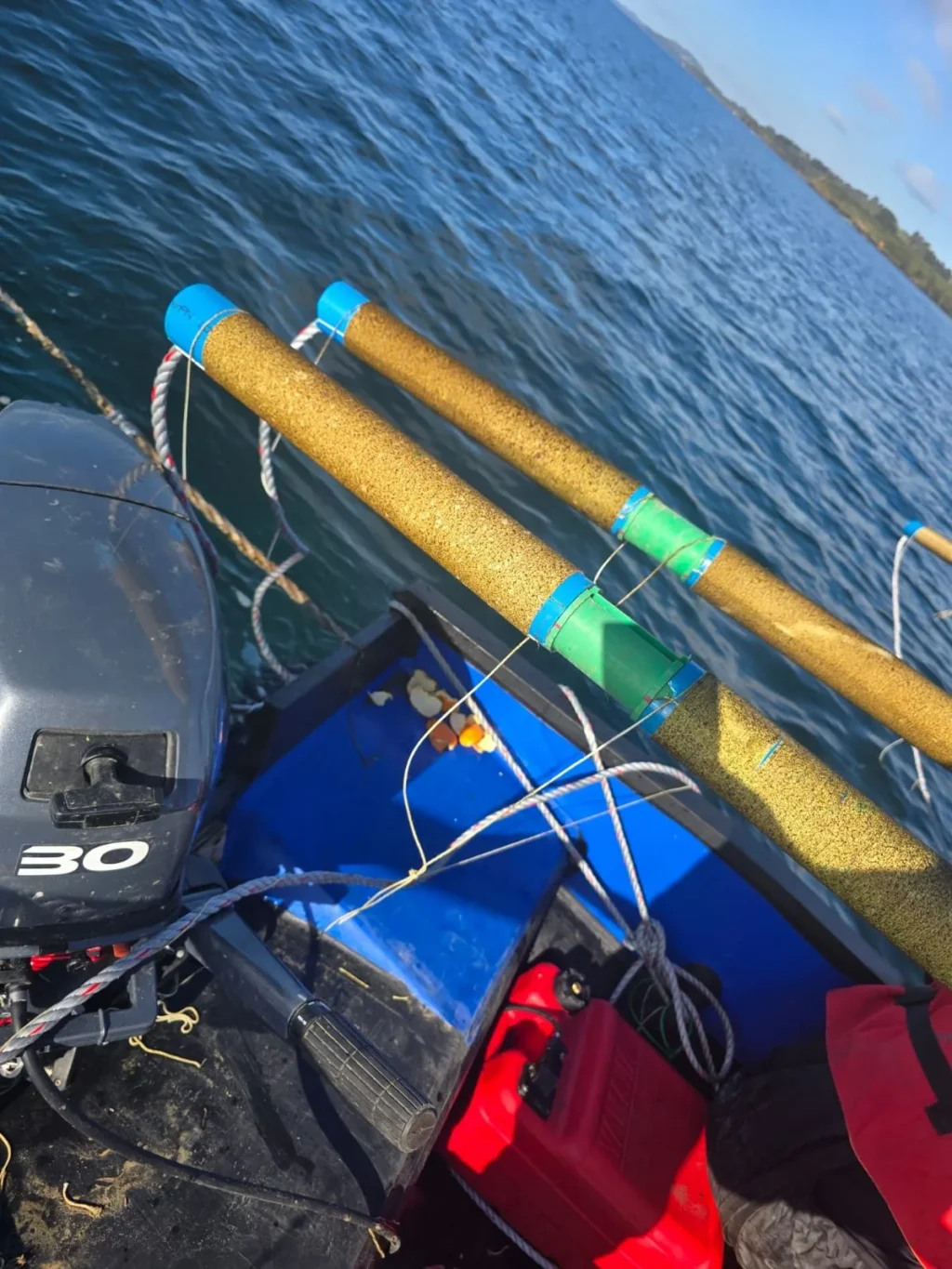
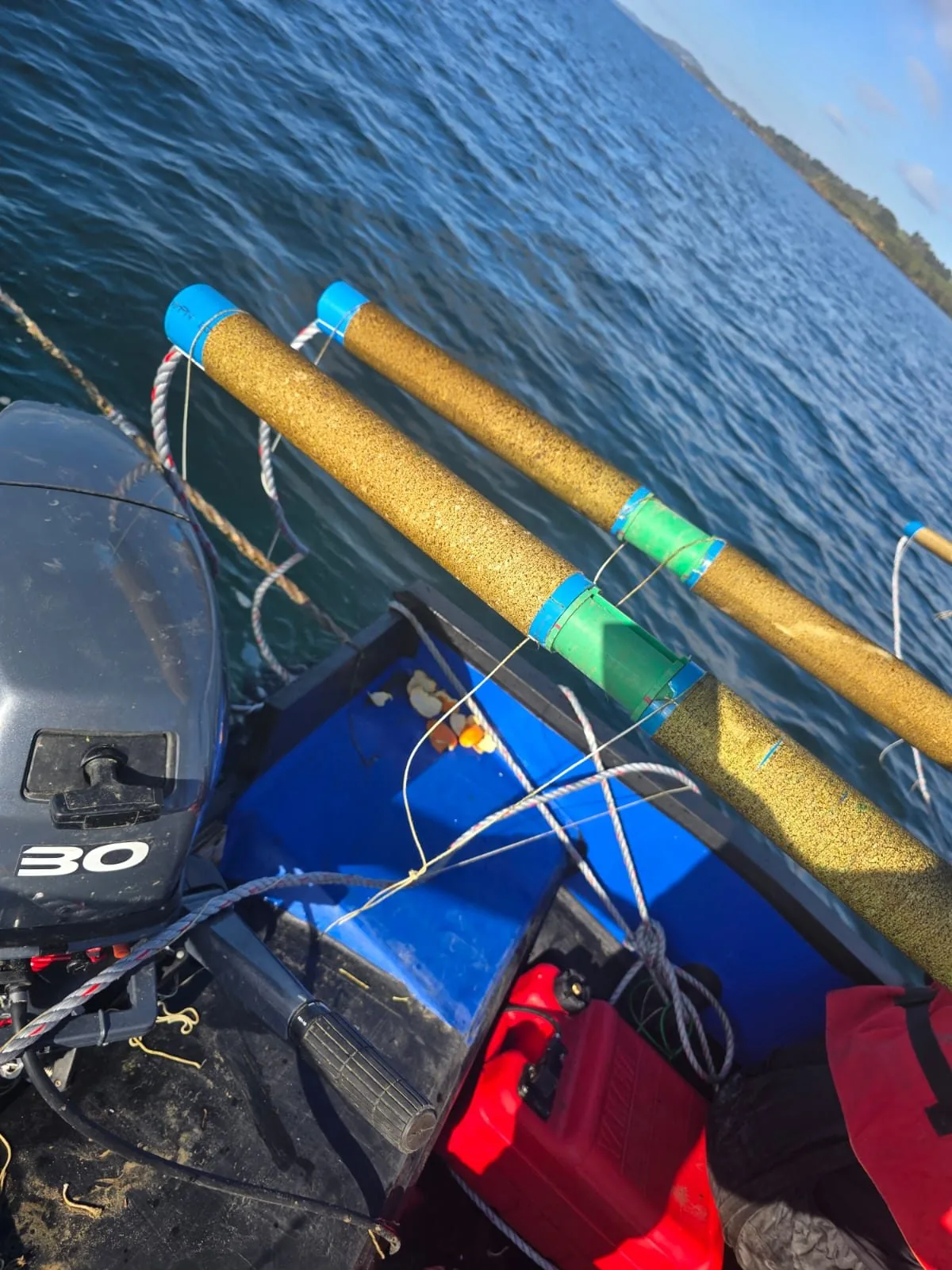
Seed on board: Spools ready to deploy the line.
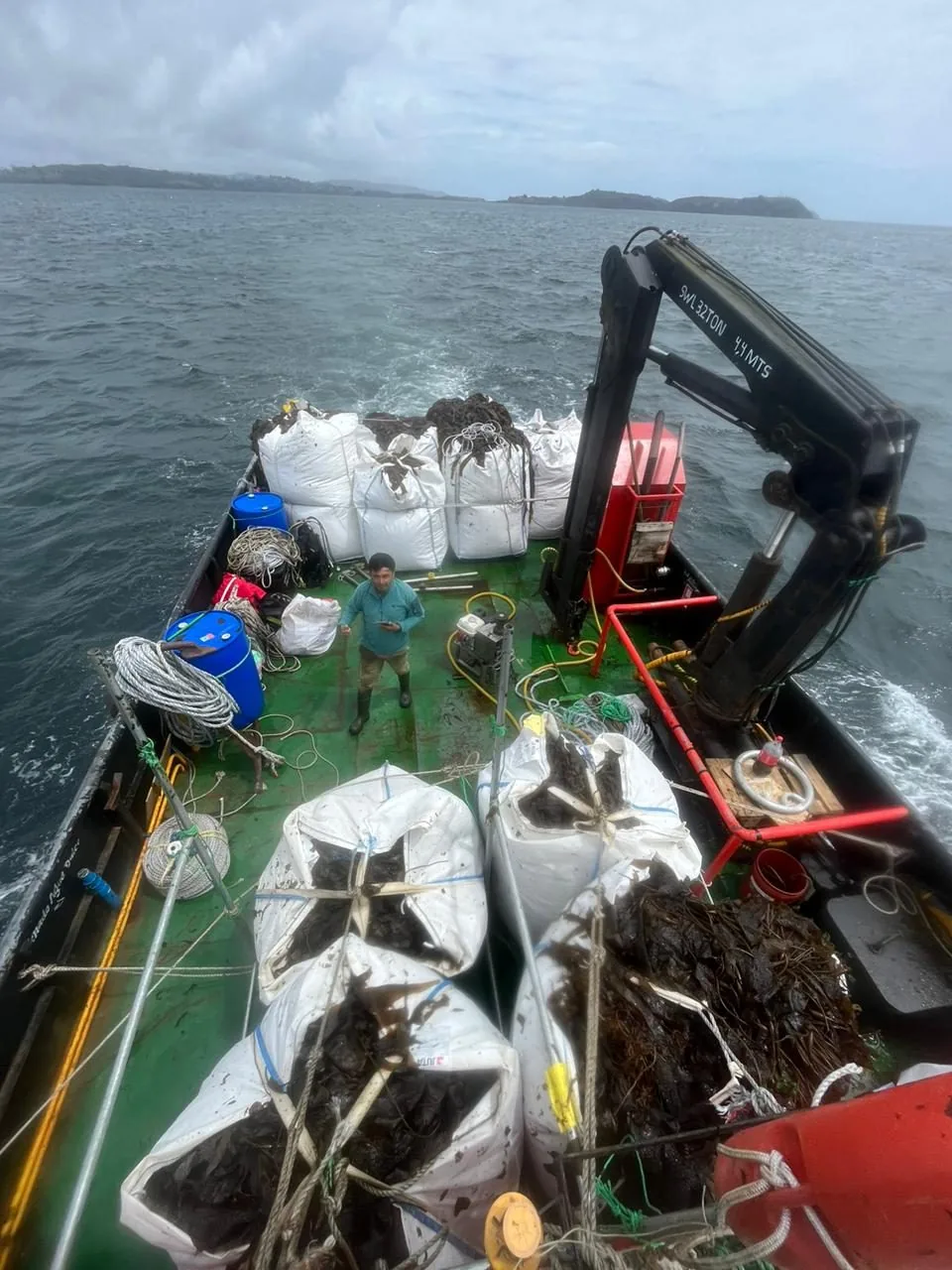
60-tonne harvests: The harvest is measured in bulk bags.
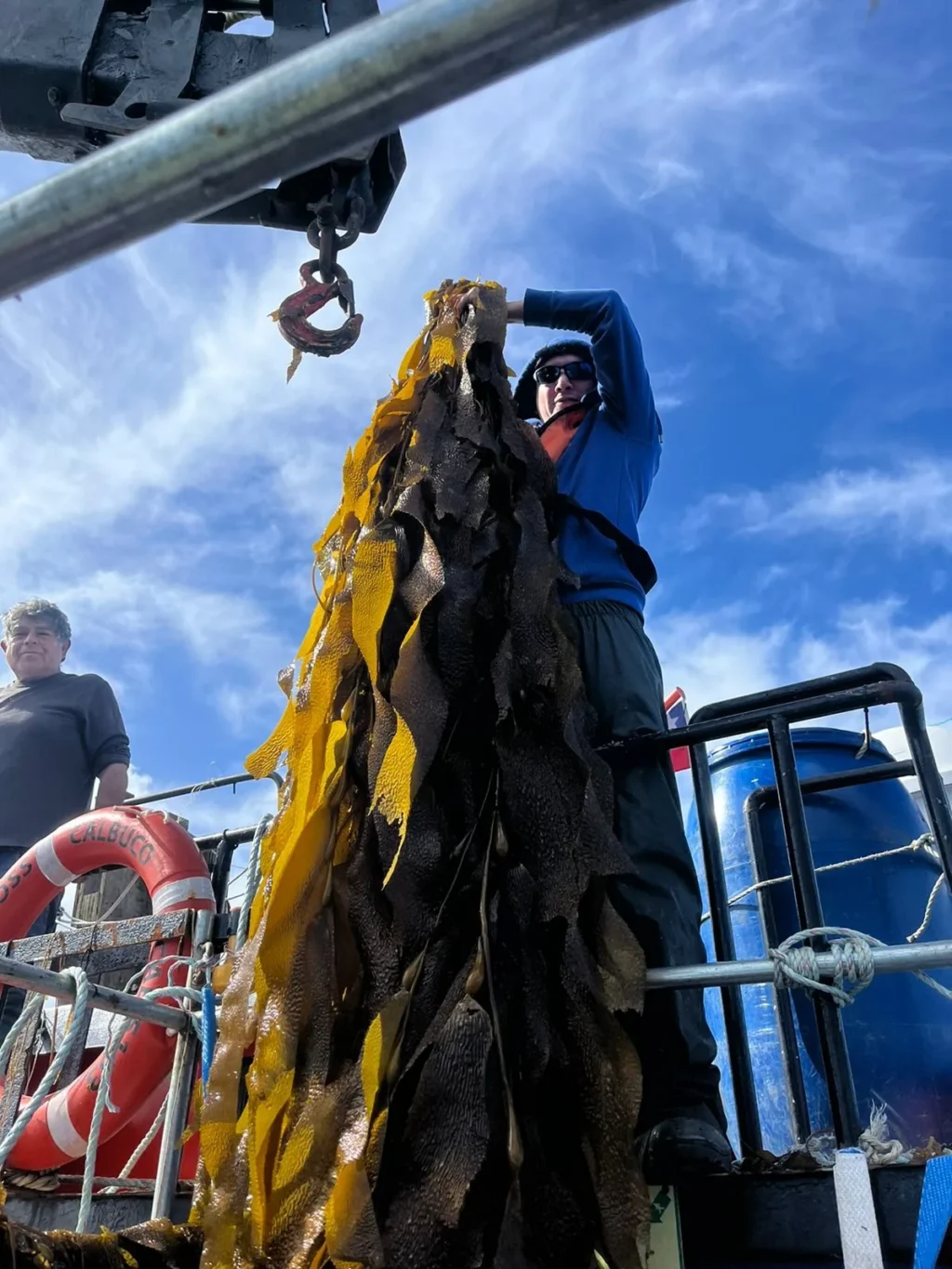
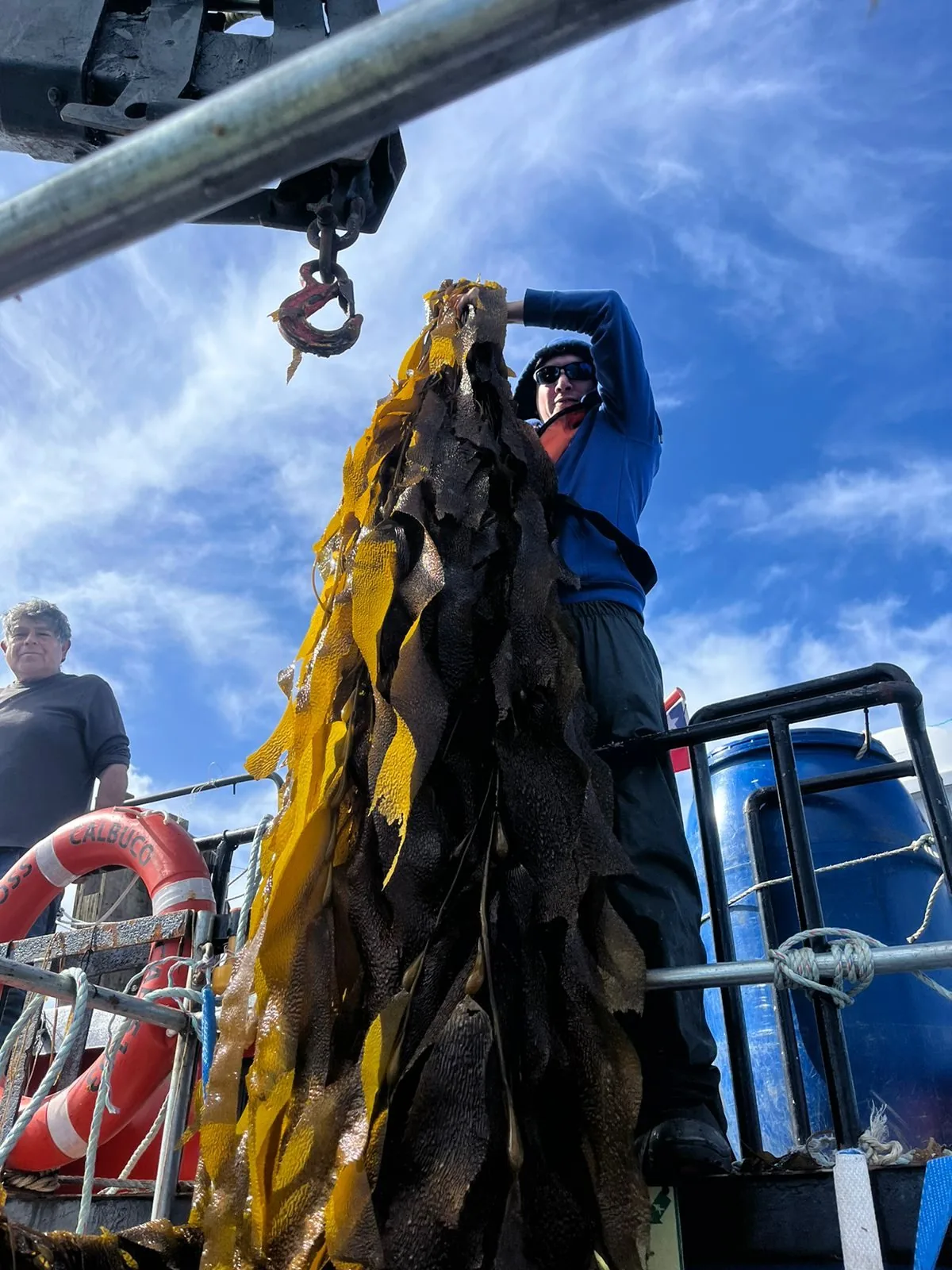
Whole plant: Farmed Macrocystis pyrifera, ready for harvest.
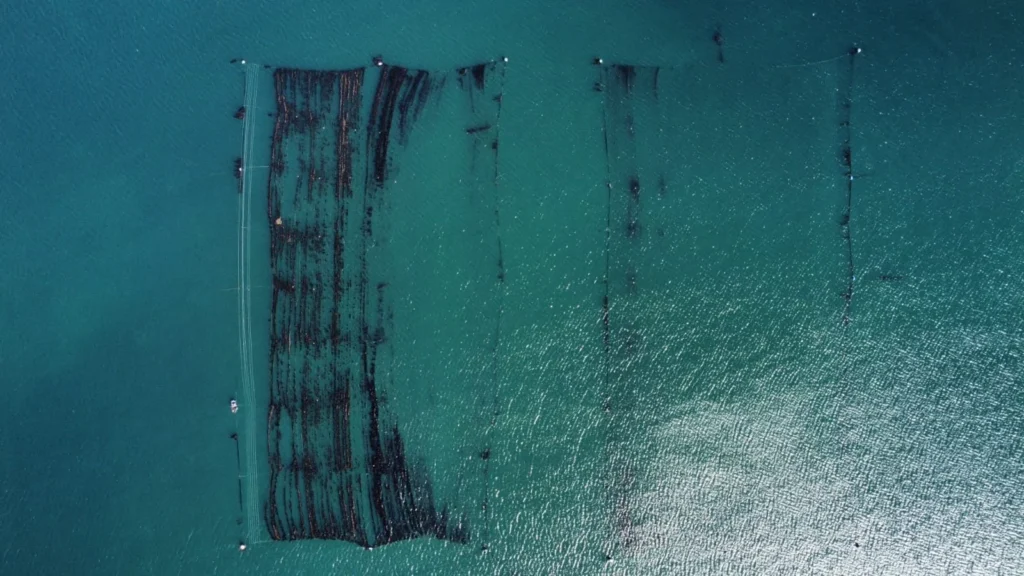
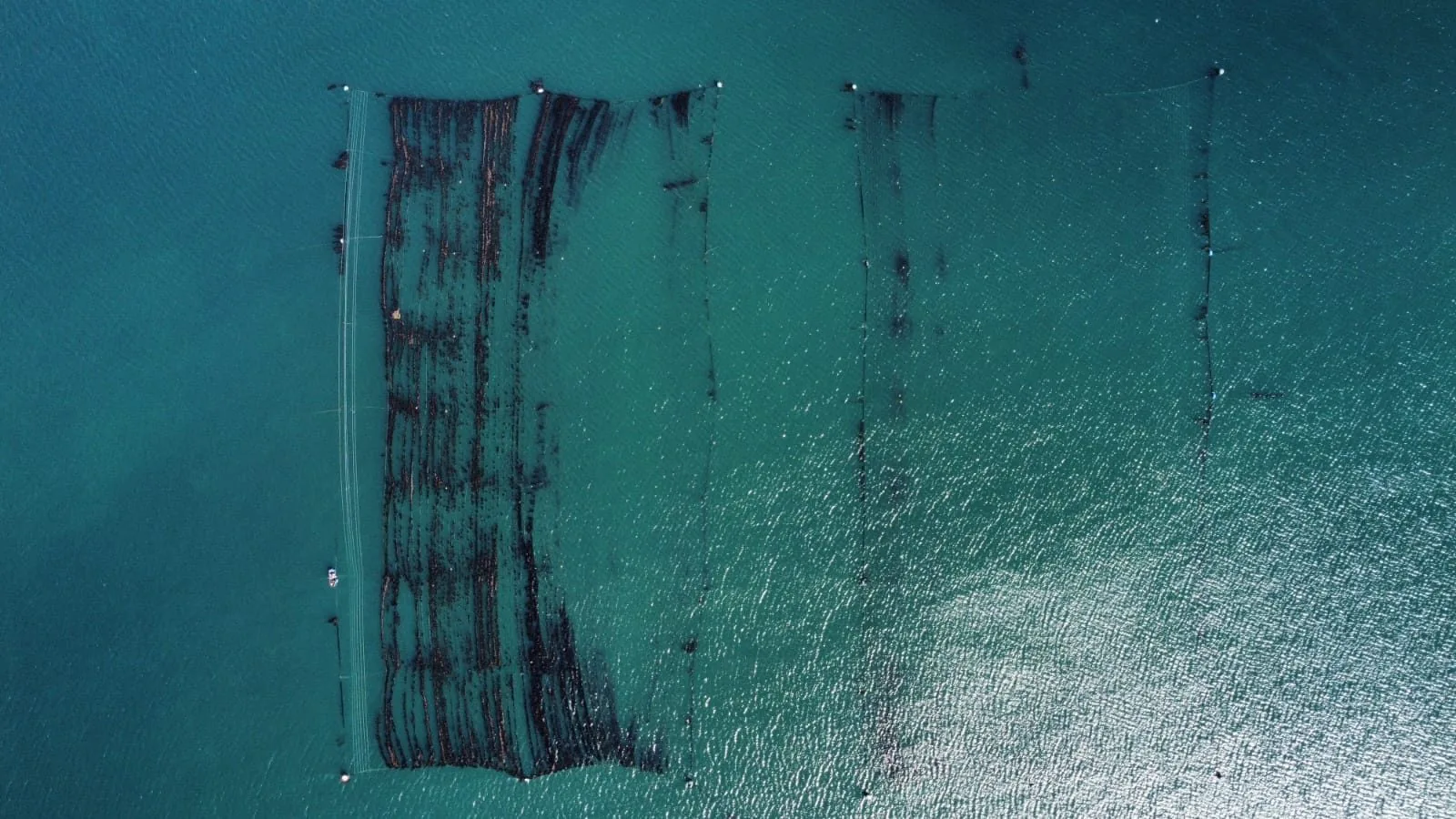
Scale: The farming modules seen from the air.
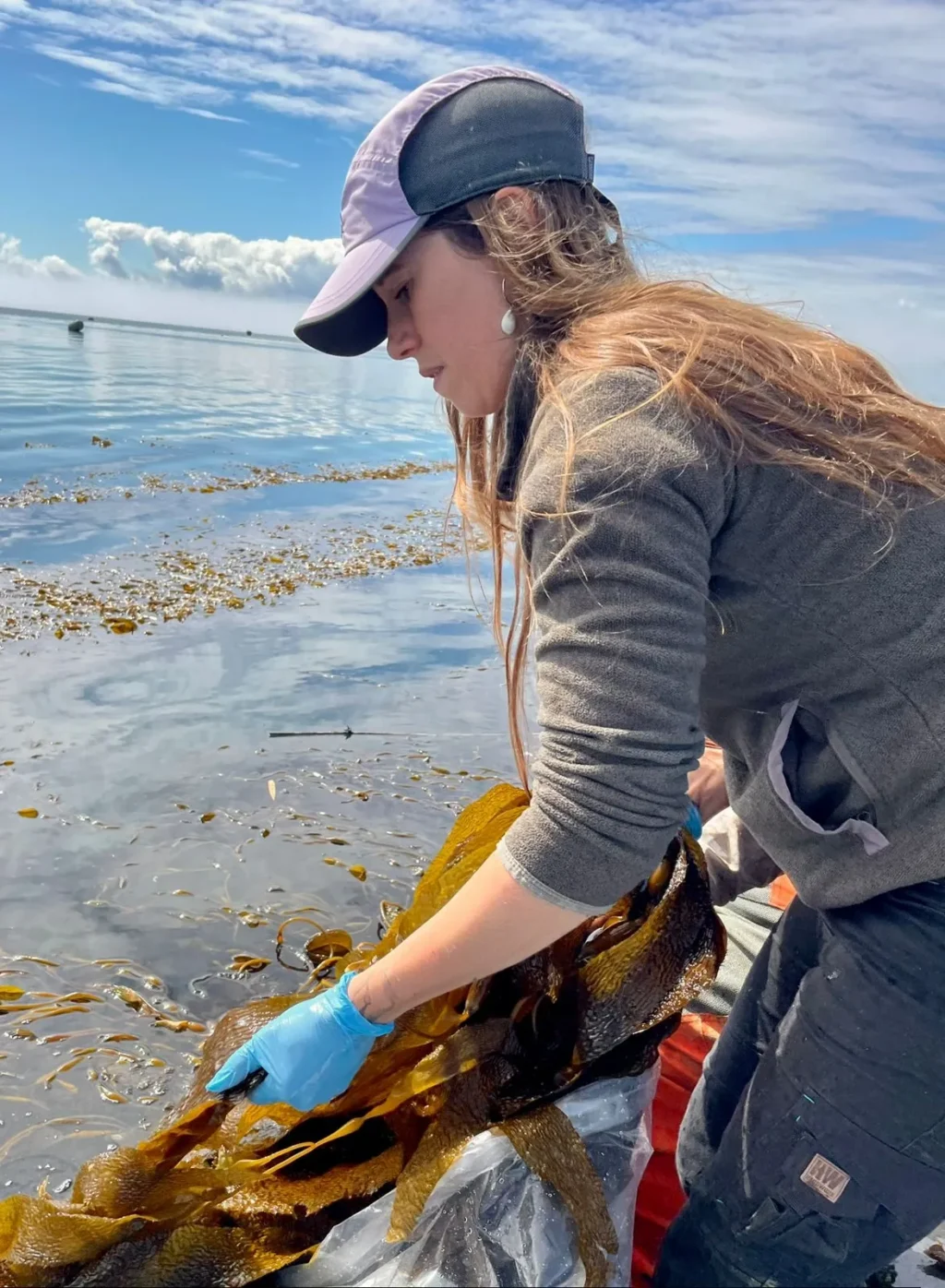
Monitoring: Checking fronds in the field.
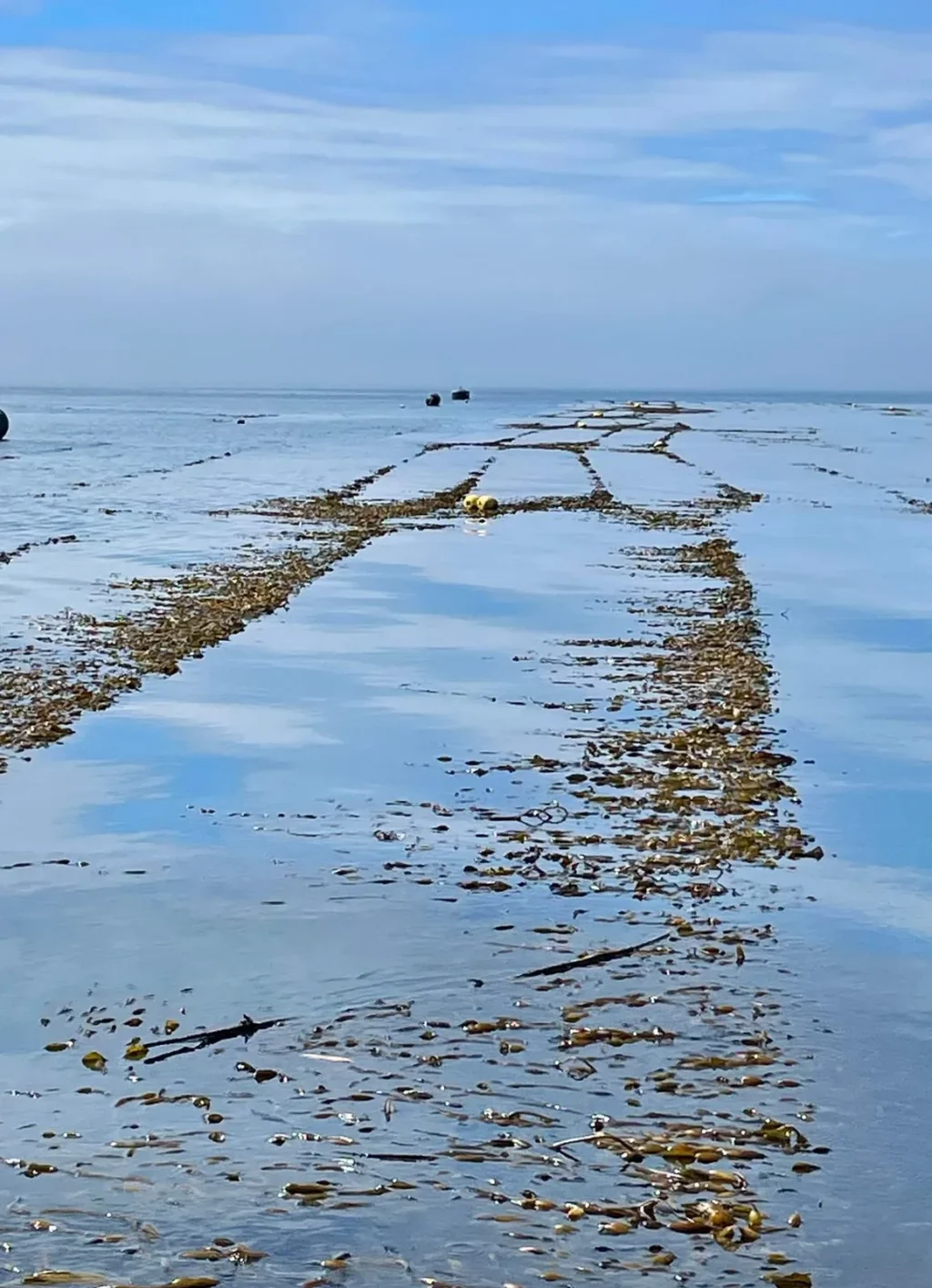
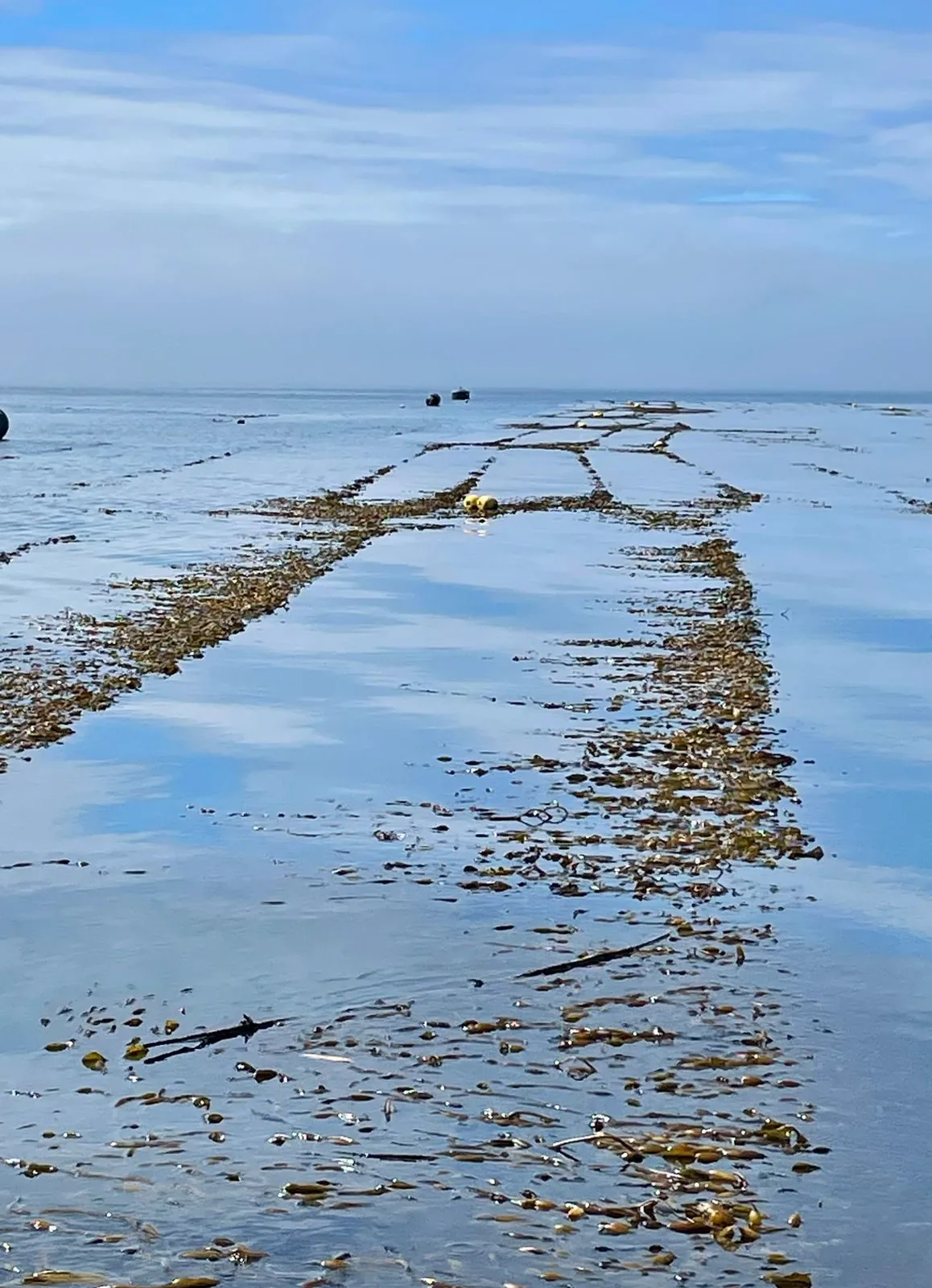
Lines in the water: The farm seen from the boat.
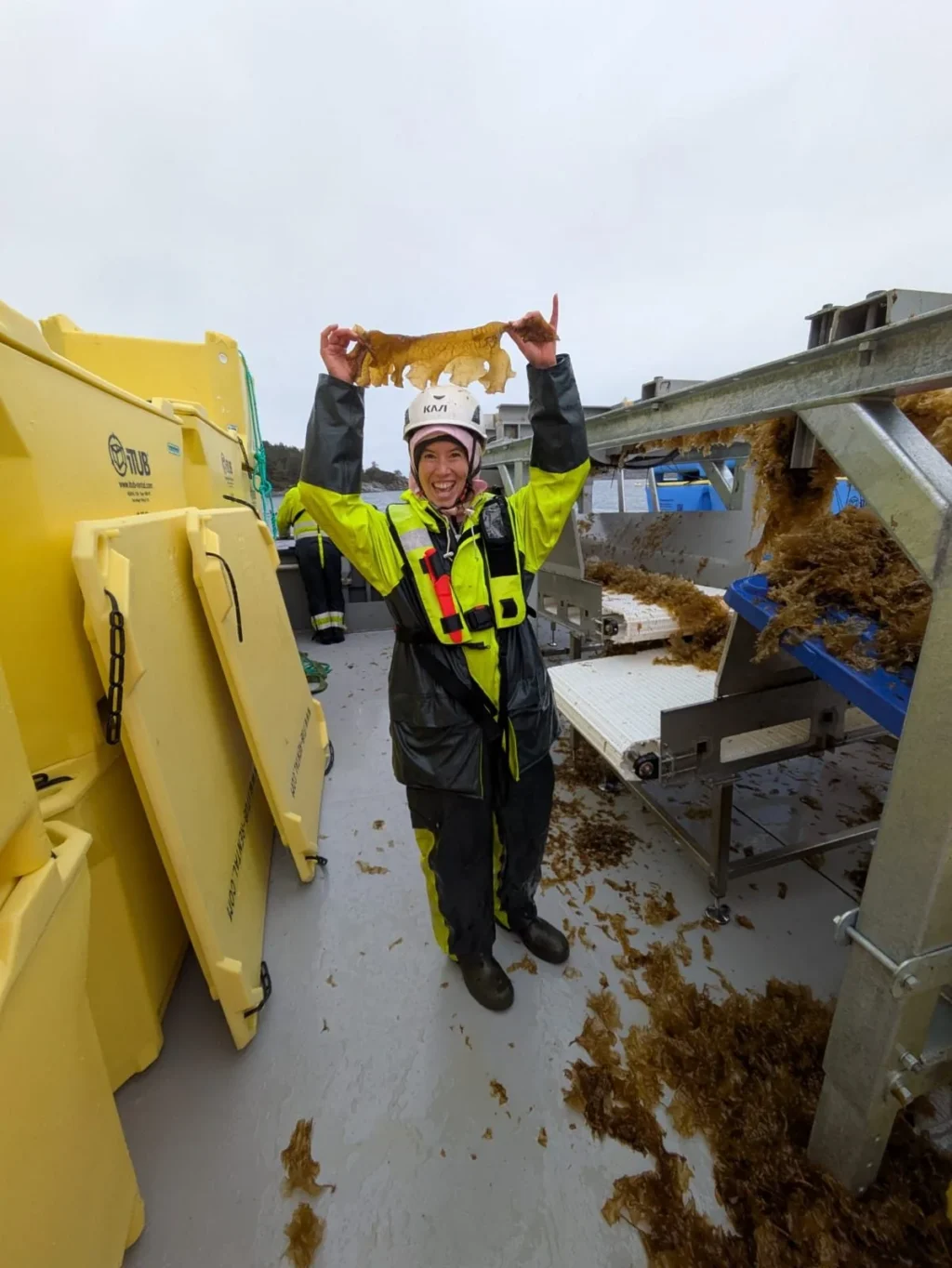
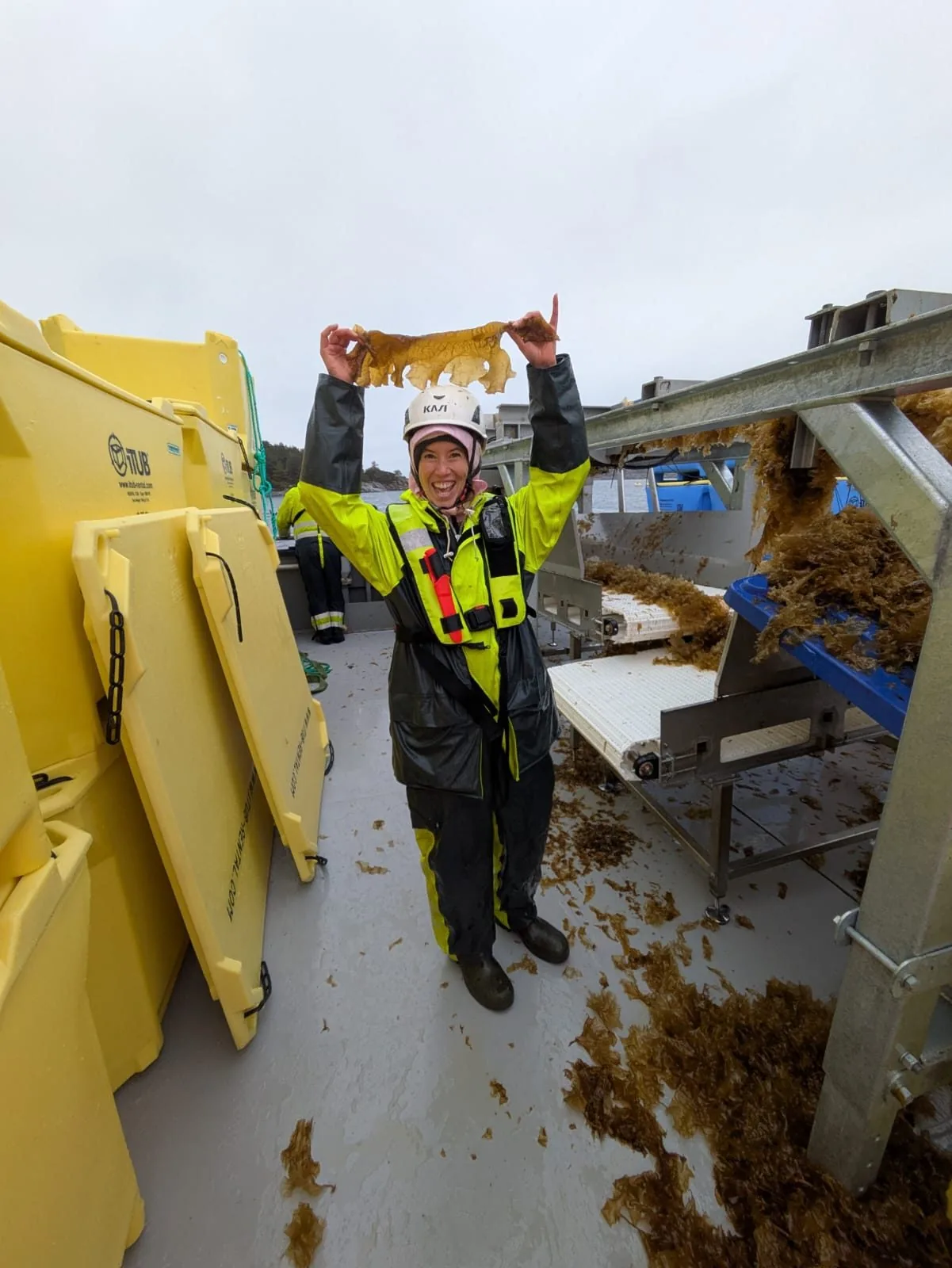
Norway: On board a mechanized harvester.
-
2026
A complete operation, from strain to customer
Today we are a team of 14, with operations, hatchery, standardization, finance, people, technology transfer and corporate management teams, plus more than six communities that have already worked with us.
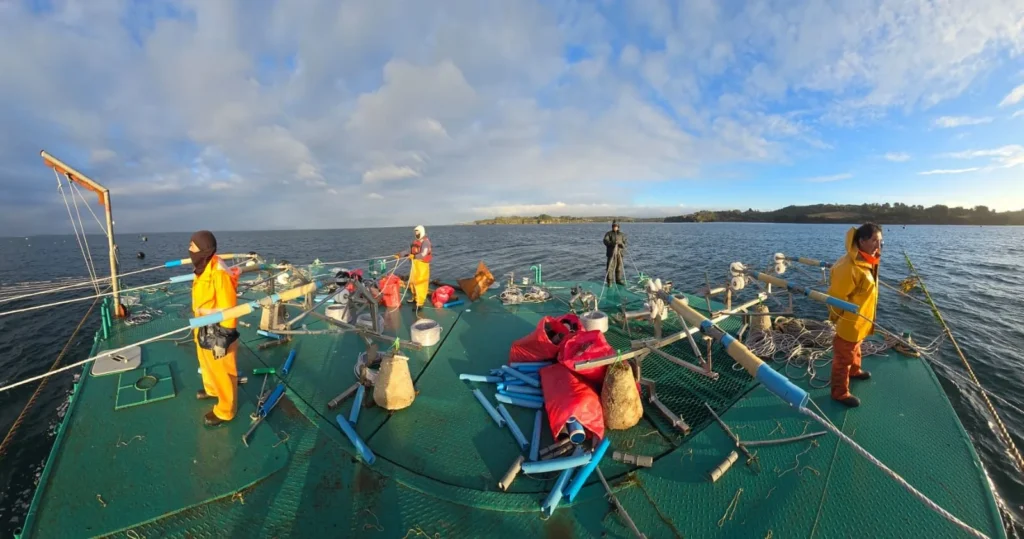
Our hatchery can produce the seed for 1,000 tonnes at sea, and we project 400 tonnes of production this year. The automated seeding system has been scaled up and is operating on a multipurpose platform, and the harvesting system is currently being built.
In parallel, we scaled up our gametophyte strain bank — the genetic foundation of our farms — and the number of potential buyers for our biomass grew.
Data, results and photos from 2026
- Team
- 14 people, 7 departments
- Communities
- More than 6 have worked with us
- Hatchery capacity
- Seed for 1,000 t at sea
- Hatchery cycle
- 40 days · 27 km of spool line
- 2026 projection
- 400 t
- Harvesting
- System currently being built
Results
- Hatchery able to produce the seed for 1,000 tonnes at sea: 27 km of spool line per cycle, in 40-day cycles.
- Projected production of 400 tonnes for the year.
- Automated seeding system scaled up and operating on a multipurpose platform.
- Our own harvesting system, currently being built.
- Gametophyte strain bank scaled up: our own genetic base for selecting and replicating strains.
- A team of 14 organized into seven departments: operations, hatchery, standardization, finance, people, technology transfer and corporate management.
- More than six communities have worked with Huiro, and our pipeline of potential customers keeps growing.
Photos
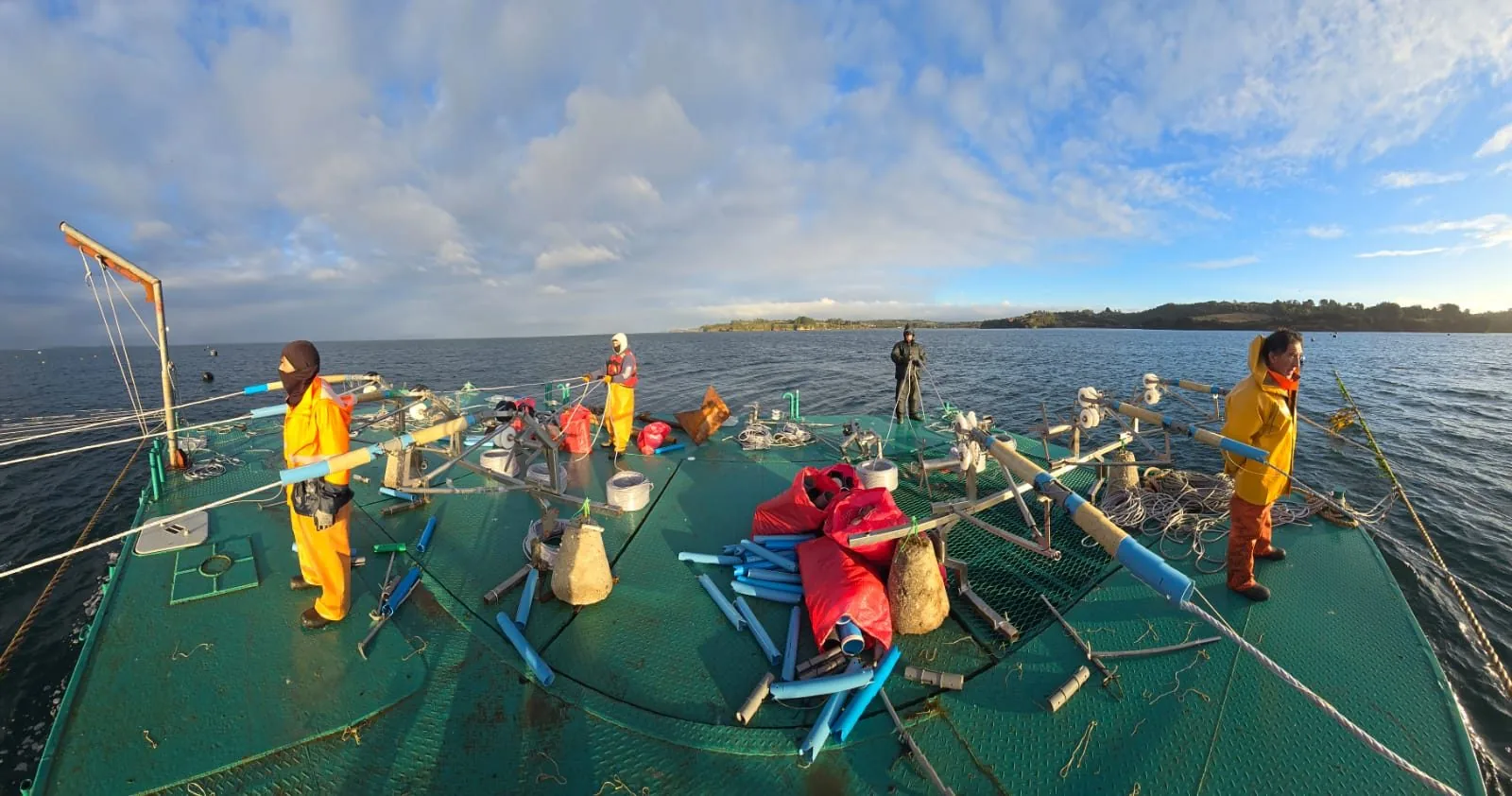
Scaled-up automated seeding: The system operating on a multipurpose platform.